Tag: Safari Gear & Essentials

  • Your Kenya Safari Won’t Look Like Anyone Else’s: Here’s Why

    Your Kenya Safari Won’t Look Like Anyone Else’s: Here’s Why

    When people imagine a safari in Kenya, they often picture endless savannahs, golden sunsets, and herds of elephants marching across the horizon. And while those iconic scenes are very real, there’s one thing many first-time visitors don’t expect: no two safaris in Kenya are ever the same.

    Your experience will be shaped by timing, location, wildlife movement, weather, culture, and even pure luck. That’s not a flaw, it’s exactly what makes a Kenyan safari so magical.

    If you’re planning a trip or simply dreaming about one, here’s why your Kenya safari will be uniquely yours – and unlike anyone else’s.

    1. Wildlife Doesn’t Follow a Script

    Unlike a zoo or a theme park, Kenya’s wildlife operates on its own schedule. Animals roam freely across vast landscapes like the Maasai Mara National Reserve, Amboseli National Park, and Tsavo National Park.

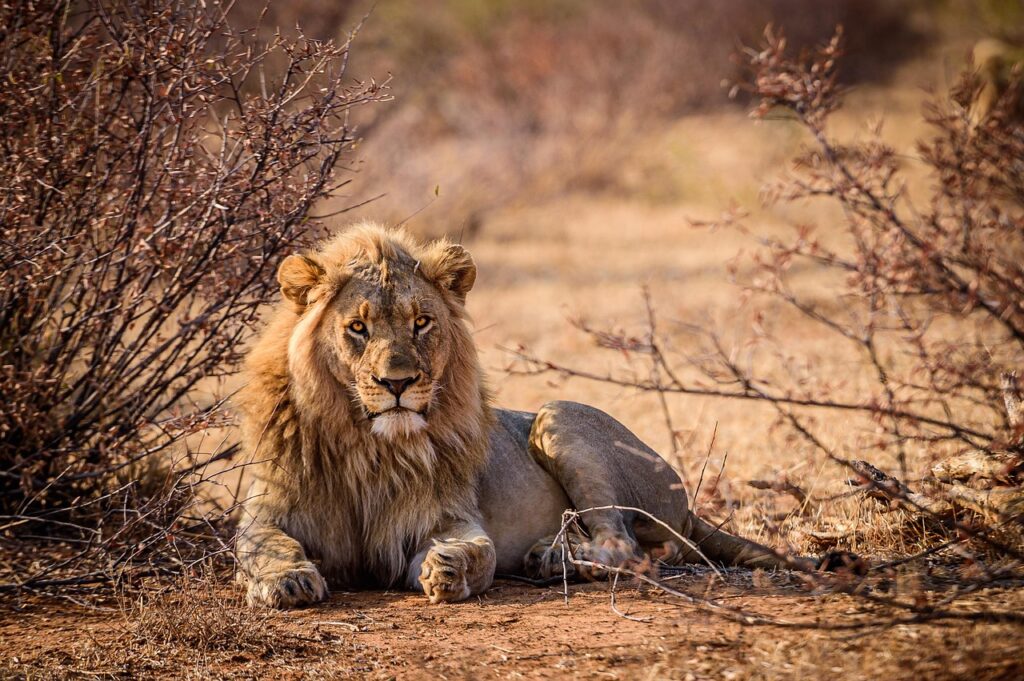
    One traveler might witness a dramatic lion hunt at sunrise. Another might spend an afternoon watching elephants playfully splash in a watering hole. Both experiences are incredible – but completely different.

    Even on the same day, two safari vehicles can drive the same route and see entirely different things. Wildlife sightings depend on:

    • Animal movement patterns
    • Time of day
    • Weather conditions
    • Seasonal migrations

    This unpredictability is what makes every game drive feel like a real-life adventure.

    2. The Great Migration Changes Everything

    One of Kenya’s most famous wildlife events is the Great Wildebeest Migration, where millions of wildebeest, zebras, and gazelles move between Tanzania and Kenya in search of fresh grazing land.

    If you visit the Maasai Mara between July and October, you might witness river crossings—arguably one of the most dramatic scenes in nature. But here’s the catch: the timing is never exact.

    Some visitors see massive herds crossing crocodile-filled rivers. Others might see them grazing peacefully or moving across open plains.
    And if you travel outside migration season? You’ll still have an incredible safari – just a completely different one, with fewer crowds and more intimate wildlife encounters.

    3. Each Park Has Its Own Personality

    Kenya isn’t just one safari destination- it’s a collection of diverse ecosystems, each offering a distinct experience.

    Maasai Mara National Reserve: Famous for big cats and the migration, this is the classic safari destination. Expect open plains, dramatic wildlife action, and high animal density.

    Amboseli National Park: Known for large elephant herds and breathtaking views of Mount Kilimanjaro, Amboseli offers a more scenic and relaxed safari experience.

    Samburu National Reserve: Located in northern Kenya, Samburu introduces you to rare species like the Grevy’s zebra and the reticulated giraffe—animals you won’t typically see in the Mara.

    Lake Nakuru National Park: A bird lover’s paradise, especially known for flamingos and rhinos.

    Each destination feels like a completely different world. The park you choose will shape your safari story in a big way.

    4. Your Guide Makes a Huge Difference

    In Kenya, safari guides are more than drivers—they’re storytellers, trackers, and wildlife experts.

    A skilled guide can:

    • Spot animals you’d never notice on your own
    • Interpret animal behavior
    • Share insights about ecosystems and conservation
    • Connect you to local culture and history

    Two travelers in the same park can walk away with entirely different experiences simply because of their guide’s knowledge and style.

    Some guides focus on photography, helping you get the perfect shot. Others emphasize storytelling, making every sighting feel like part of a larger narrative.

    5. Cultural Encounters Add Another Layer

    A safari in Kenya isn’t just about wildlife – it’s also about people.

    Meeting communities like the Maasai people can transform your trip into something deeper and more meaningful.

    You might:

    • Visit a traditional village
    • Learn about age-old customs and traditions
    • Hear stories passed down through generations
    • Understand how local communities coexist with wildlife

    These cultural experiences vary widely depending on where you go and how you travel. For some visitors, this becomes the most memorable part of their journey.

    6. Accommodation Shapes Your Experience

    Where you stay plays a major role in how your safari unfolds.

    Kenya offers a wide range of options:

    • Luxury lodges with panoramic views
    • Mid-range tented camps close to wildlife
    • Budget camps for adventurous travelers
    • Private conservancies for exclusive experiences

    Imagine waking up to elephants grazing outside your tent or hearing lions roar in the distance at night. Now imagine staying somewhere quieter, surrounded by fewer tourists and more untouched wilderness.

    Both are amazing—but very different.

    7. Timing Changes Everything

    The time of year you visit Kenya can completely transform your safari.

    • Dry Season (June to October)
    • Easier to spot animals due to sparse vegetation
    • Peak time for the Great Migration
    • More tourists and higher prices
    • Green Season (November to May)
    • Lush landscapes and fewer crowds
    • Excellent birdwatching

    Baby animals are often born during this period

    Even the time of day matters. Morning drives bring fresh, active wildlife. Evening drives offer golden light and dramatic scenery.

    Your timing influences not just what you see – but how you experience it.

    8. Weather Adds an Element of Surprise

    Kenya’s weather is generally pleasant, but it can shift quickly. A sudden rain shower might:

    • Turn dusty plains into dramatic, moody landscapes
    • Bring animals out into the open
    • Create unforgettable photography moments

    Or it might make roads muddy and slow down your game drive. Either way, it adds to the unpredictability that makes each safari unique.

    9. Your Interests Shape Your Safari

    Not everyone goes on safari for the same reason.

    Some travelers are photographers chasing the perfect shot. Others are nature lovers, birdwatchers, or first-time adventurers.

    Your interests influence:

    • The parks you visit
    • The pace of your game drives
    • The activities you choose (walking safaris, hot air balloon rides, night drives)

    Two people on the same itinerary can come away with completely different highlights simply because they’re looking for different things.

    10. No Two Moments Are Ever Repeated

    Perhaps the biggest reason your Kenya safari will be unique is this: nature doesn’t repeat itself.

    That lion you saw lounging under a tree won’t be in the exact same place tomorrow. The herd of elephants you followed might move on. The sky will paint a different sunset every evening.

    Every moment is fleeting—and that’s what makes it so special.

    Final Thoughts: Embrace the Unexpected

    A safari in Kenya isn’t about ticking off a checklist of animals. It’s about immersing yourself in a living, breathing ecosystem where anything can happen.

    Your journey might include:

    • A heart-racing wildlife encounter
    • A quiet, reflective moment in nature
    • A cultural connection that changes your perspective

    Or all three.

    And that’s the beauty of it.

    So instead of comparing your safari to someone else’s, embrace the unpredictability. Because the truth is simple: Your Kenya safari won’t look like anyone else’s, and that’s exactly why it will be unforgettable.
  • One Day Out of Nairobi Changes Everything: Here’s Where to Go

    One Day Out of Nairobi Changes Everything: Here’s Where to Go

    Life in Nairobi moves fast. Between traffic, deadlines, and the constant buzz of city life, it’s easy to feel overwhelmed and disconnected from the simple joys that once brought you peace. But here’s the good news – you don’t need a long holiday or a big budget to reset your mind and spirit. Sometimes, all it takes is one day out of Nairobi to completely change your perspective.

    Whether you’re craving fresh air, scenic views, wildlife encounters, or just a quiet moment away from the noise, there are incredible destinations just a short drive away.

    In this guide, we’ll explore the best places you can visit in a single day, and why stepping out of Nairobi might be exactly what you need.

    Why You Should Take a Day Trip from Nairobi

    Before diving into where to go, let’s talk about why it matters.

    A day trip is more than just a break. It’s a reset button. Leaving the city, even briefly, can:

    • Reduce stress and mental fatigue
    • Boost creativity and focus
    • Improve your mood and energy levels
    • Help you reconnect with nature

    Nairobi is uniquely positioned—you’re just hours away from forests, mountains, lakes, and wildlife reserves. Few cities in the world offer that kind of access.

    1. Ngong Hills – For Fresh Air and Scenic Views

    If you’re looking for a quick escape that doesn’t require much planning, Ngong Hills is perfect.

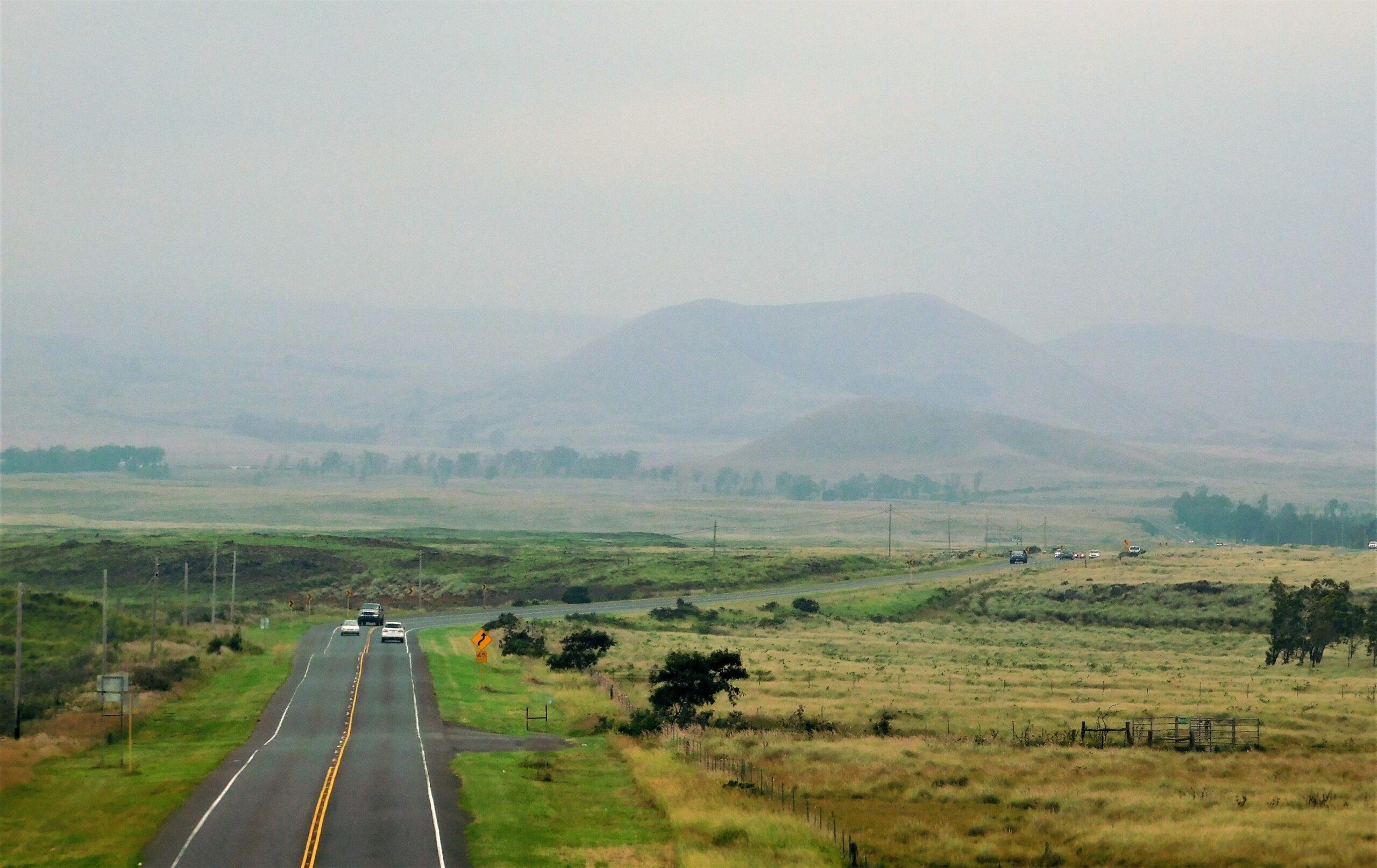
    Located about an hour from Nairobi, these rolling hills offer breathtaking views of the Great Rift Valley. The cool breeze, open spaces, and endless greenery make it an ideal spot for:

    • Hiking
    • Picnics
    • Photography
    • Quiet reflection

    Walking along the ridges feels like you’ve stepped into another world; far removed from traffic jams and city noise.

    Best for: Early morning adventures or sunset views
    Tip: Carry water, sunscreen, and comfortable walking shoes

    2. Karura Forest – Nature Without Leaving the City

    If you don’t want to travel far but still need a break, Karura Forest is a hidden gem.

    Just minutes from Nairobi’s central areas, this urban forest offers:

    • Walking and cycling trails
    • Waterfalls and caves
    • Picnic spots
    • A peaceful, green environment

    It’s the perfect place to slow down without spending hours on the road.

    Best for: Quick resets and solo walks
    Tip: Rent a bike and explore deeper into the forest

    3. Lake Naivasha – A Lakeside Escape

    About 1.5 to 2 hours from Nairobi, Lake Naivasha is one of the most popular day trip destinations—and for good reason.

    Here, you can:

    • Take a boat ride among hippos
    • Visit nearby Crescent Island for a walking safari
    • Enjoy lakeside dining
    • Watch birds and wildlife in their natural habitat

    The calm water and relaxed atmosphere make it a perfect escape from the chaos of city life.

    Best for: Couples, families, and nature lovers
    Tip: Combine with a visit to Hell’s Gate National Park for a full-day adventure

    4. Hell’s Gate National Park – Adventure and Exploration

    If you’re craving something more active, Hell’s Gate delivers.

    This park is one of the few in Kenya where you can walk or cycle alongside wildlife. Expect to see:

    • Zebras
    • Giraffes
    • Antelopes
    • Stunning rock formations and gorges

    It’s also famous for its dramatic landscapes, which inspired scenes in The Lion King.

    Best for: Adventure seekers and fitness enthusiasts
    Tip: Carry plenty of water and go early to avoid the heat

    Explore Best Travel and Tour Companies

    5. Mount Longonot – A Challenge Worth Taking

    Want a more intense experience? Try hiking Mount Longonot.

    This dormant volcano offers a challenging but rewarding hike. Once you reach the top, you can walk around the crater rim and enjoy panoramic views of the Rift Valley.

    It’s not the easiest climb, but the sense of accomplishment is unmatched.

    Best for: Fitness lovers and thrill seekers
    Tip: Start early in the morning and pace yourself

    6. Ol Pejeta Conservancy – Wildlife and Conservation

    If you’re willing to wake up early and drive a bit further (about 3–4 hours), Ol Pejeta is worth every minute.

    This conservancy is home to:

    • The last two northern white rhinos
    • Chimpanzee sanctuary
    • Big Five animals

    It’s more than a safari—it’s an educational and impactful experience.

    Best for: Wildlife lovers and meaningful travel
    Tip: Book your entry in advance for a smoother visit

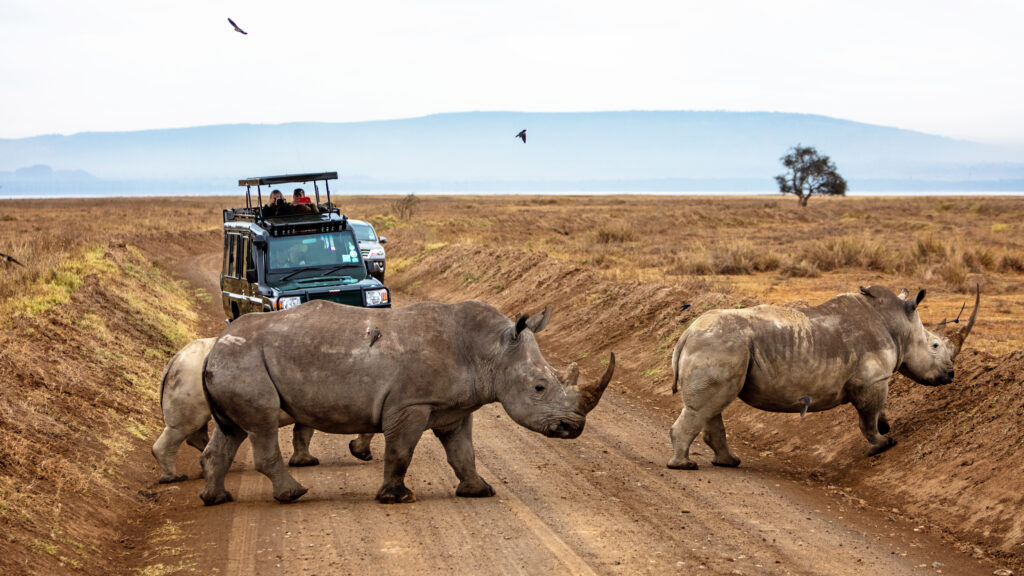
    Lake Nakuru, Kenya/Africa – February 16, 2019: Family of white rhinos walk across a road in Lake Nakuru, Kenya Africa with vehicle of photo safari tourists watching

    7. Kiambethu Tea Farm – Slow Living and Tea Tasting

    For a calmer, more relaxed day, visit Kiambethu Tea Farm in Limuru.

    Here, you can:

    • Learn about tea farming
    • Walk through lush tea fields
    • Enjoy a farm-to-table lunch
    • Take in the peaceful countryside

    It’s a gentle, refreshing experience that feels worlds away from city life.

    Best for: Relaxation and quiet moments
    Tip: Make a reservation before visiting

    How to Make the Most of Your Day Trip

    To truly enjoy your day out of Nairobi, keep these simple tips in mind:

    • Start Early
    • Leaving early helps you avoid traffic and gives you more time to explore.
    • Pack Light but Smart
    • Bring essentials like:
    • Water
    • Snacks
    • Sunscreen
    • Comfortable clothing
    • Disconnect (Just a Little)

    Try to spend less time on your phone and more time enjoying your surroundings.

    Go with the Right Company

    Whether it’s friends, family, or even solo, choose what feels right for you.

    The Real Impact of Leaving Nairobi for a Day

    You might think it’s “just a day,” but the impact can be surprisingly powerful.

    After a short trip, many people notice:

    • Clearer thinking
    • Reduced stress
    • Better sleep
    • A renewed sense of motivation

    In conclusion

    Nairobi is vibrant, exciting, and full of opportunity—but it can also be exhausting. The beauty of living here is that you’re never far from an escape.

    Whether you choose the rolling landscapes of Ngong Hills, the calm waters of Lake Naivasha, or the adventure of Hell’s Gate, one thing is certain:

    One day out of Nairobi can truly change everything.

    So don’t wait for the “perfect time.”
    Pick a place, plan your trip, and go.

    Your mind, and your mood will thank you.

  • The Kenya Trip Checklist Nobody Sends You Until It’s Too Late

    The Kenya Trip Checklist Nobody Sends You Until It’s Too Late

    Planning a trip to Kenya is exciting for all the right reasons. You picture sunrise over the Maasai Mara, elephants moving across Amboseli with Mount Kilimanjaro in the background, white-sand beaches in Diani, and the buzz of Nairobi before your safari begins. What most travel guides do not tell you is that the small details can make or break the trip.

    It is rarely the big dream that causes problems. It is the forgotten travel adapter, the wrong bag for a bush flight, the missed eTA application, the lack of cash in the right place, or arriving for an early game drive without a warm layer. That is why this Kenya trip checklist exists.

    If you are planning a safari, beach holiday, city break, or a mix of all three, this guide covers the practical things travelers often learn only after it is too late. Use it to prepare well, avoid stress, and enjoy Kenya the way you imagined it.

    Why you need a proper Kenya trip checklist

    Kenya is one of the most rewarding destinations in Africa, but it is not the kind of trip you should leave to chance. A Kenya travel checklist helps you avoid last-minute surprises with documents, health prep, packing, transport, money, and timing.

    The most common travel mistakes are simple:

    • Applying for entry authorization too late
    • Packing a hard suitcase for a light aircraft safari transfer
    • Forgetting that mornings on safari can be cold
    • Not budgeting for park fees, tips, and internal transfers
    • Assuming all areas have the same weather, road conditions, or mobile coverage
    • Bringing single-use plastic bags or bottles into places where restrictions apply

    A little preparation goes a long way. Kenya rewards travelers who plan well.

    1. Sort your travel documents first

    Before you think about safari outfits or camera lenses, get your documents in order.

    Most international travelers’ need a Kenya Electronic Travel Authorization (eTA) before departure, and it is smart to apply early rather than leaving it to the last minute. Travelers should also have a passport valid for at least six months beyond their travel date, and keeping both digital and printed copies of key documents is still a very good idea. 

    Travel Safe During Coronavirus Pandemic. Black couple in protective medical masks posing with passports and tickets at airport, closeup

    Your essential document checklist should include:

    • Passport with enough validity remaining
    • Kenya eTA approval
    • Travel insurance
    • Flight confirmations
    • Accommodation and safari bookings
    • Vaccination proof, if required for your route
    • Emergency contacts
    • Copies stored online, not just on your phone

    This is the part people rush, and it is the part that causes the biggest airport stress.

    2. Know the best time to visit Kenya for your kind of trip

    A lot of travelers search for the best time to visit Kenya and stop at one answer: the Great Migration. That is only part of the story.

    The dry season from June to October is generally considered the best period for wildlife viewing because vegetation is lower and animals gather around water sources. It is also the busiest period, especially in the Maasai Mara, where migration viewing usually peaks between July and October. January to March is another excellent window with drier conditions and strong game viewing. 

    If you prefer fewer crowds and lower prices, the greener months can still be rewarding, but rain may affect road conditions and game viewing in some areas. 

    A simple way to think about it:

    • June to October: Best for safari, peak season, higher prices
    • January to March: Great weather, excellent wildlife, strong photo conditions
    • April to May: Rainier, greener, cheaper, but less predictable
    • November to December: Good value, beautiful scenery, mixed conditions

    The best time to go depends on what matters most to you: migration, budget, photography, beach weather, or fewer tourists.

    3. Choose fewer places and enjoy them properly

    One of the biggest planning mistakes is trying to do too much. Kenya is not a destination you rush.

    A focused trip to one or two regions often feels richer than trying to squeeze in Nairobi, Maasai Mara, Amboseli, Tsavo, Diani, and Lamu all in one short holiday. Many experienced travelers recommend at least five to seven days for a first safari-focused trip, with longer itineraries giving you room to combine parks or add the coast. 

    A practical first-time Kenya itinerary could look like this:

    • Nairobi for 1 night
    • Maasai Mara for 3 nights
    • Amboseli or Samburu for 2 to 3 nights
    • Diani Beach or Mombasa coast for 2 to 4 nights if you want downtime

    More stops do not always mean a better trip. More time in the right places usually does.

    4. Budget for the real cost, not the fantasy version

    Kenya can be done on different budgets, but safari travel is not cheap once park fees, transport, and lodges are included.

    Budgeting early matters because costs vary dramatically based on season, park choice, transport style, and accommodation level. Park and conservation fees can be substantial, and internal flights or private 4×4 transfers add up quickly. Mid-range travelers often spend far more in safari zones than they do in Nairobi or along regular city routes. 

    Things people forget to include:

    • Park entry and conservancy fees
    • Domestic flights or long road transfers
    • Tips for guides and lodge staff
    • Balloon safaris and optional excursions
    • Travel insurance
    • Vaccines and anti-malarials
    • Airport snacks, water, and small daily extras
    • Extra luggage charges on bush flights

    A smart Kenya travel budget is honest from the beginning.

    5. Pack for safari reality, not Instagram

    A Kenya packing list should focus on comfort, practicality, and luggage restrictions.

    If your trip includes bush flights, soft-sided luggage is often required, and weight limits can be strict, commonly around 15 kilograms on light aircraft routes. Hard-shell suitcases can create real problems. 

    Here is what belongs on your Kenya packing checklist:

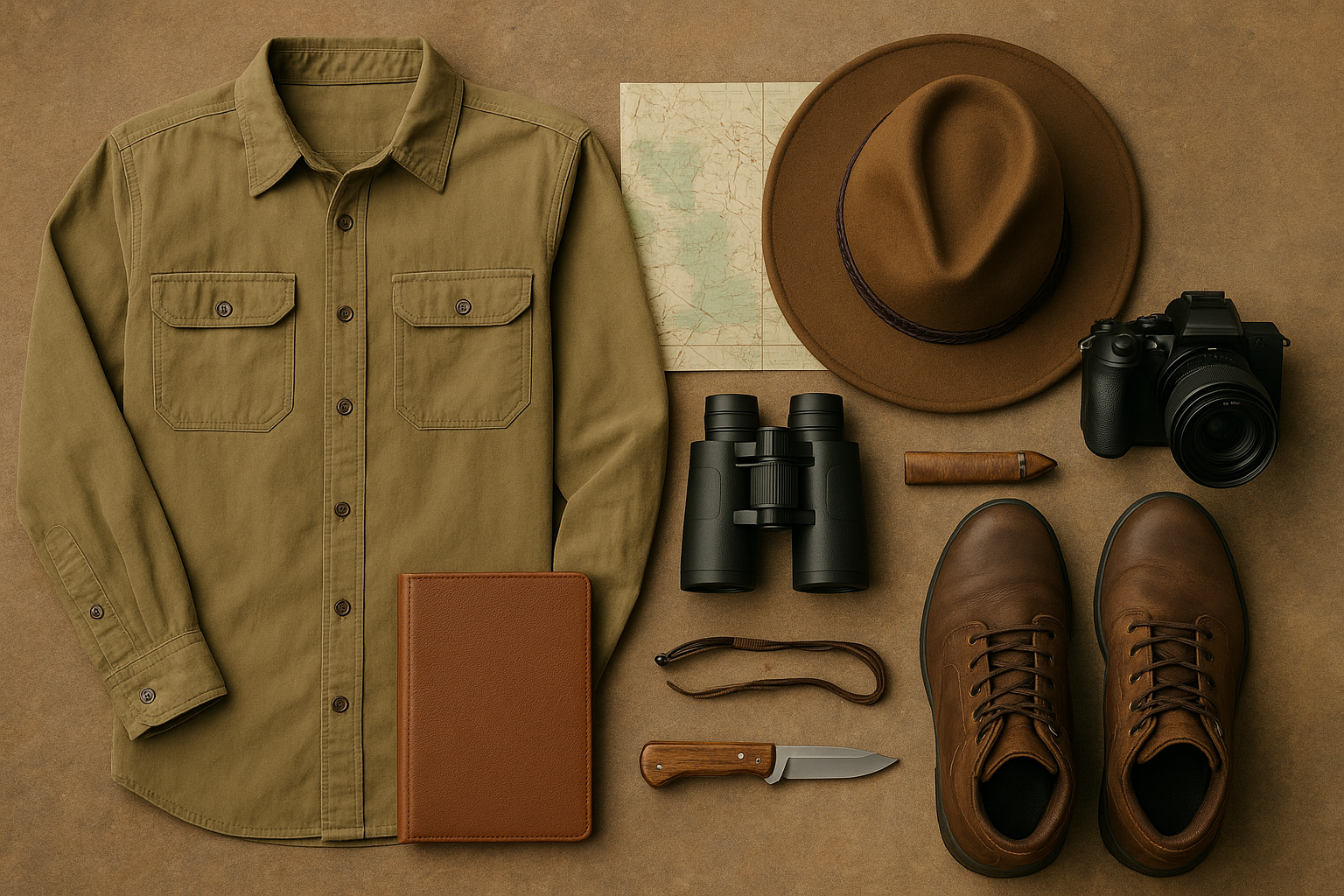
    • Neutral-colored clothing such as khaki, olive, tan, or beige
    • A warm layer for early morning game drives
    • Comfortable walking shoes
    • Hat, sunglasses, and sunscreen
    • Binoculars
    • Camera and spare batteries
    • Headlamp or flashlight
    • Insect repellent with DEET
    • Reusable water bottle
    • Universal adapter for Type G plugs
    • Small daypack
    • Personal medication and basic first aid items
    • Power bank

    Avoid over packing. Most safari lodges can handle simple laundry, and you do not need a whole new wardrobe for the bush.

    6. Health prep is not optional

    This is one of the most overlooked parts of Kenya trip planning.

    Travelers should check vaccine guidance well before departure, and many sources recommend being up to date on routine vaccines, while also discussing typhoid, hepatitis A, polio, and yellow fever with a qualified medical professional depending on route and risk. Malaria risk exists in much of Kenya outside some higher-altitude areas, so anti-malarial advice should be discussed with a travel clinic in advance. 

    7. Learn how money works before you land

    Kenya is easy enough to manage once you understand the basics.

    The local currency is the Kenyan shilling (KES). Cards are widely accepted in many hotels, lodges, and urban businesses, but cash still matters for tips, local shops, market purchases, and smaller transport situations. 

    Bring a mix of payment options:

    • Bank card
    • Some local cash
    • Backup card

    Small notes for tips and simple purchases

    It is also worth remembering that tipping is appreciated in many travel settings, even if practices vary depending on where you are and what kind of service you are using.

    Do not rely on one payment method for the whole trip.

    8. Plan your transport better than “we’ll figure it out there”

    Kenya is bigger than many first-time visitors expect, and travel times can eat into your holiday fast.

    Road transfers can be scenic but long. For example, overland travel from Nairobi to the Maasai Mara can take around five to six hours depending on traffic and road conditions, which is why many travelers choose internal flights when combining multiple safari regions. 

    Good transport planning means deciding:

    • Drive-in safari or fly-in safari
    • Private operator or group tour
    • Nairobi hotel transfer arranged or not
    • Beach connection by flight, train, or road
    • Whether your luggage works for domestic aircraft rules

    Poor transport planning is one of the fastest ways to lose time and energy on a Kenya trip.

    9. Respect local culture and safari etiquette

    A better trip is not just about logistics. It is also about how you travel.

    In Kenya, basic courtesy matters. Greeting people warmly goes a long way, asking before taking photos of locals is respectful, and dressing a bit more modestly in rural or religious communities is wise. 

    10. Do not ignore the tiny things that save the day

    This is where the real “nobody sends you this until it’s too late” advice lives.

    Small things that make a big difference:

    • Download offline maps
    • Keep copies of bookings in your email
    • Charge your power bank before long drives
    • Carry a light jacket in your day bag
    • Pack a headlamp for dark camps
    • Bring binoculars even if you think your guide has some
    • Use a reusable bottle instead of single-use plastic where possible
    • Keep one change of clothes and essentials in carry-on luggage
    • Do not assume safari camps have strong Wi-Fi everywhere

    Kenya is an unforgettable destination, but it is far more enjoyable when the practical side is already handled.

    The truth about a Kenya trip

    Kenya does not usually go wrong because the country is difficult. It goes wrong when travelers underestimate the details.

    The right checklist turns a stressful trip into a smooth one. It helps you spend less time fixing avoidable problems and more time watching elephants cross the plains, hearing lions at night, exploring Nairobi, or relaxing on the coast.

    That is the real secret. The best Kenya trip is not just about where you go. It is about what you remembered before you left.

  • What to Pack for Your Kenya Safari: Essential Tips for Every Traveler

    What to Pack for Your Kenya Safari: Essential Tips for Every Traveler

    Wondering what to pack for your Kenya safari? Smart packing is the key to a comfortable, safe, and memorable adventure. Here’s an expert guide to the must-haves for your trip—whether you’re exploring the Masai Mara, Amboseli, or beyond.

    Safari Clothing: Comfort & Camouflage

    • Neutral-colored clothing: Choose khaki, olive, and beige to blend in and avoid attracting insects. Avoid dark blue (attracts tsetse flies) and white (shows dirt easily).
    • Lightweight layers: Mornings and evenings can be chilly, while days are warm. Pack t-shirts, long-sleeve shirts, a fleece or jumper, and a light waterproof jacket.
    • Comfortable trousers/shorts: Quick-dry and breathable fabrics are best.
    • Hat and sunglasses: Wide-brimmed hat and UV-protection sunglasses for sun safety.
    • Sturdy walking shoes: Closed-toe shoes or hiking boots for bush walks and camps.
    • Swimsuit: Many lodges have pools!

    Safari Gear & Essentials

    • Binoculars: Essential for spotting distant wildlife.
    • Camera with extra batteries/memory cards: You’ll want to capture every moment!
    • Daypack: Handy for carrying water, snacks, and gear during game drives.
    • Reusable water bottle: Stay hydrated and cut down on plastic waste.
    • Travel adapter: Kenya uses Type G plugs (UK style).
    • Flashlight or headlamp: Useful in camps with limited electricity.

    Health & Safety Items

    • Sunscreen & insect repellent: High SPF and DEET-based repellent recommended.
    • Personal medications: Bring enough for your entire trip, plus a basic first-aid kit.
    • Hand sanitizer & wet wipes: For easy hygiene on the go.
    • Face mask: Some camps and airports may still require them.

    Travel Documents & Money

    • Passport & visa: Double-check validity and entry requirements.
    • Travel insurance documents: Essential for peace of mind.
    • Cash (Kenyan Shillings): Useful for tips, small purchases, and local markets.
    • Credit/debit cards: Widely accepted in hotels and lodges.

    Bonus Safari Tips

    • Pack light—most domestic flights have luggage limits (15kg soft bags).
    • Leave room for souvenirs and local crafts!
    • Ask your safari operator for specific packing advice based on your itinerary.

    Still unsure what to pack for your Kenya safari? Contact us for a personalized packing checklist and insider safari tips!