When people imagine a safari in Kenya, they often picture endless savannahs, golden sunsets, and herds of elephants marching across the horizon. And while those iconic scenes are very real, there’s one thing many first-time visitors don’t expect: no two safaris in Kenya are ever the same.
Your experience will be shaped by timing, location, wildlife movement, weather, culture, and even pure luck. That’s not a flaw, it’s exactly what makes a Kenyan safari so magical.
If you’re planning a trip or simply dreaming about one, here’s why your Kenya safari will be uniquely yours – and unlike anyone else’s.
1. Wildlife Doesn’t Follow a Script
Unlike a zoo or a theme park, Kenya’s wildlife operates on its own schedule. Animals roam freely across vast landscapes like the Maasai Mara National Reserve, Amboseli National Park, and Tsavo National Park.
One traveler might witness a dramatic lion hunt at sunrise. Another might spend an afternoon watching elephants playfully splash in a watering hole. Both experiences are incredible – but completely different.
Even on the same day, two safari vehicles can drive the same route and see entirely different things. Wildlife sightings depend on:
- Animal movement patterns
- Time of day
- Weather conditions
- Seasonal migrations
This unpredictability is what makes every game drive feel like a real-life adventure.
2. The Great Migration Changes Everything
One of Kenya’s most famous wildlife events is the Great Wildebeest Migration, where millions of wildebeest, zebras, and gazelles move between Tanzania and Kenya in search of fresh grazing land.
If you visit the Maasai Mara between July and October, you might witness river crossings—arguably one of the most dramatic scenes in nature. But here’s the catch: the timing is never exact.
Some visitors see massive herds crossing crocodile-filled rivers. Others might see them grazing peacefully or moving across open plains.
And if you travel outside migration season? You’ll still have an incredible safari – just a completely different one, with fewer crowds and more intimate wildlife encounters.
3. Each Park Has Its Own Personality
Kenya isn’t just one safari destination- it’s a collection of diverse ecosystems, each offering a distinct experience.
Maasai Mara National Reserve: Famous for big cats and the migration, this is the classic safari destination. Expect open plains, dramatic wildlife action, and high animal density.
Amboseli National Park: Known for large elephant herds and breathtaking views of Mount Kilimanjaro, Amboseli offers a more scenic and relaxed safari experience.
Samburu National Reserve: Located in northern Kenya, Samburu introduces you to rare species like the Grevy’s zebra and the reticulated giraffe—animals you won’t typically see in the Mara.
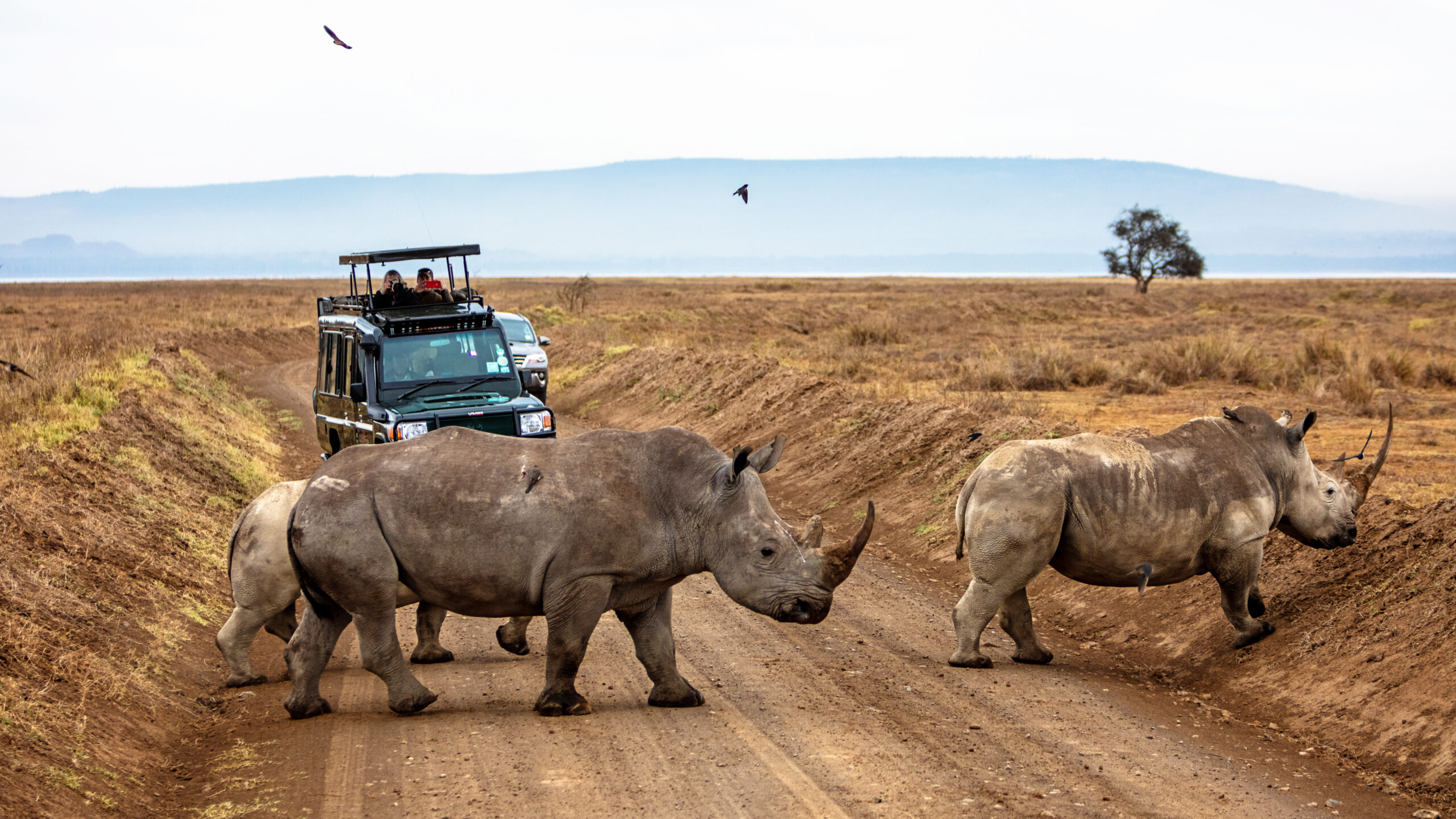
Lake Nakuru National Park: A bird lover’s paradise, especially known for flamingos and rhinos.
Each destination feels like a completely different world. The park you choose will shape your safari story in a big way.
4. Your Guide Makes a Huge Difference
In Kenya, safari guides are more than drivers—they’re storytellers, trackers, and wildlife experts.
A skilled guide can:
- Spot animals you’d never notice on your own
- Interpret animal behavior
- Share insights about ecosystems and conservation
- Connect you to local culture and history
Two travelers in the same park can walk away with entirely different experiences simply because of their guide’s knowledge and style.
Some guides focus on photography, helping you get the perfect shot. Others emphasize storytelling, making every sighting feel like part of a larger narrative.
5. Cultural Encounters Add Another Layer
A safari in Kenya isn’t just about wildlife – it’s also about people.
Meeting communities like the Maasai people can transform your trip into something deeper and more meaningful.
You might:
- Visit a traditional village
- Learn about age-old customs and traditions
- Hear stories passed down through generations
- Understand how local communities coexist with wildlife
These cultural experiences vary widely depending on where you go and how you travel. For some visitors, this becomes the most memorable part of their journey.

6. Accommodation Shapes Your Experience
Where you stay plays a major role in how your safari unfolds.
Kenya offers a wide range of options:
- Luxury lodges with panoramic views
- Mid-range tented camps close to wildlife
- Budget camps for adventurous travelers
- Private conservancies for exclusive experiences
Imagine waking up to elephants grazing outside your tent or hearing lions roar in the distance at night. Now imagine staying somewhere quieter, surrounded by fewer tourists and more untouched wilderness.
Both are amazing—but very different.
7. Timing Changes Everything
The time of year you visit Kenya can completely transform your safari.
- Dry Season (June to October)
- Easier to spot animals due to sparse vegetation
- Peak time for the Great Migration
- More tourists and higher prices
- Green Season (November to May)
- Lush landscapes and fewer crowds
- Excellent birdwatching
Baby animals are often born during this period
Even the time of day matters. Morning drives bring fresh, active wildlife. Evening drives offer golden light and dramatic scenery.
Your timing influences not just what you see – but how you experience it.
8. Weather Adds an Element of Surprise
Kenya’s weather is generally pleasant, but it can shift quickly. A sudden rain shower might:
- Turn dusty plains into dramatic, moody landscapes
- Bring animals out into the open
- Create unforgettable photography moments
Or it might make roads muddy and slow down your game drive. Either way, it adds to the unpredictability that makes each safari unique.
9. Your Interests Shape Your Safari
Not everyone goes on safari for the same reason.
Some travelers are photographers chasing the perfect shot. Others are nature lovers, birdwatchers, or first-time adventurers.
Your interests influence:
- The parks you visit
- The pace of your game drives
- The activities you choose (walking safaris, hot air balloon rides, night drives)
Two people on the same itinerary can come away with completely different highlights simply because they’re looking for different things.
10. No Two Moments Are Ever Repeated
Perhaps the biggest reason your Kenya safari will be unique is this: nature doesn’t repeat itself.
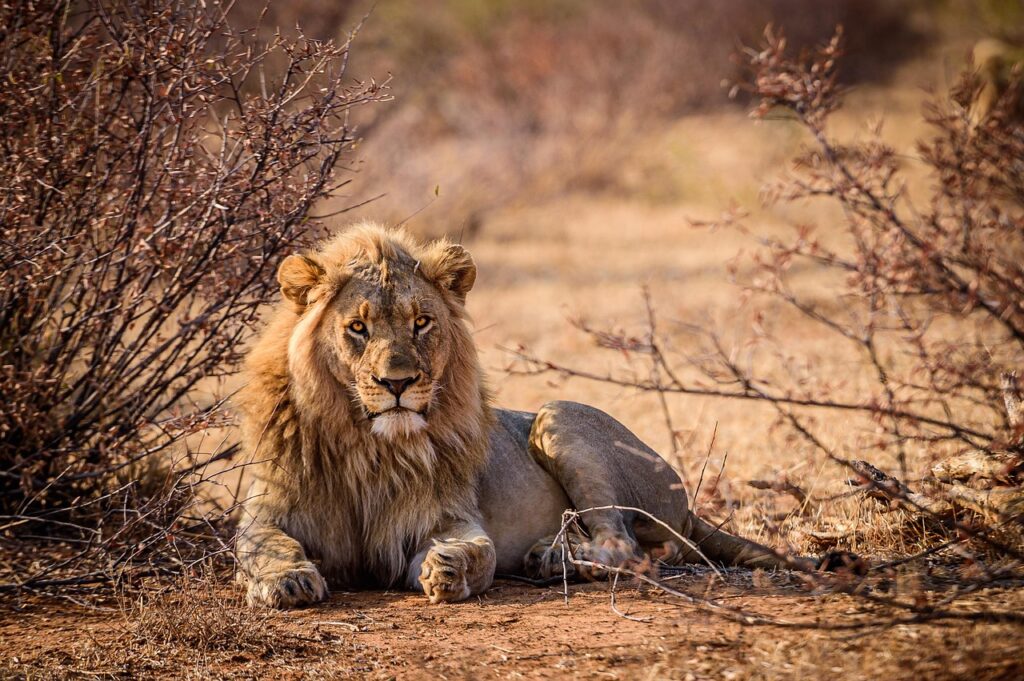
That lion you saw lounging under a tree won’t be in the exact same place tomorrow. The herd of elephants you followed might move on. The sky will paint a different sunset every evening.
Every moment is fleeting—and that’s what makes it so special.
Final Thoughts: Embrace the Unexpected
A safari in Kenya isn’t about ticking off a checklist of animals. It’s about immersing yourself in a living, breathing ecosystem where anything can happen.
Your journey might include:
- A heart-racing wildlife encounter
- A quiet, reflective moment in nature
- A cultural connection that changes your perspective
Or all three.
And that’s the beauty of it.
So instead of comparing your safari to someone else’s, embrace the unpredictability. Because the truth is simple: Your Kenya safari won’t look like anyone else’s, and that’s exactly why it will be unforgettable.