Tag: Kenya

Kenya

  • Amboseli’s Elephants Walk Toward Kilimanjaro and You Will Cry

    Amboseli’s Elephants Walk Toward Kilimanjaro and You Will Cry

    Nobody warns you that it will be the silence that does it.

    You have seen photographs. Ofcourse you know what Amboseli is supposed to look like — the elephants, the mountain, the golden plains. You have the image in your head. It is one of the most reproduced wildlife photographs in Africa, so familiar it has become almost a cliché. You think you know what to expect.

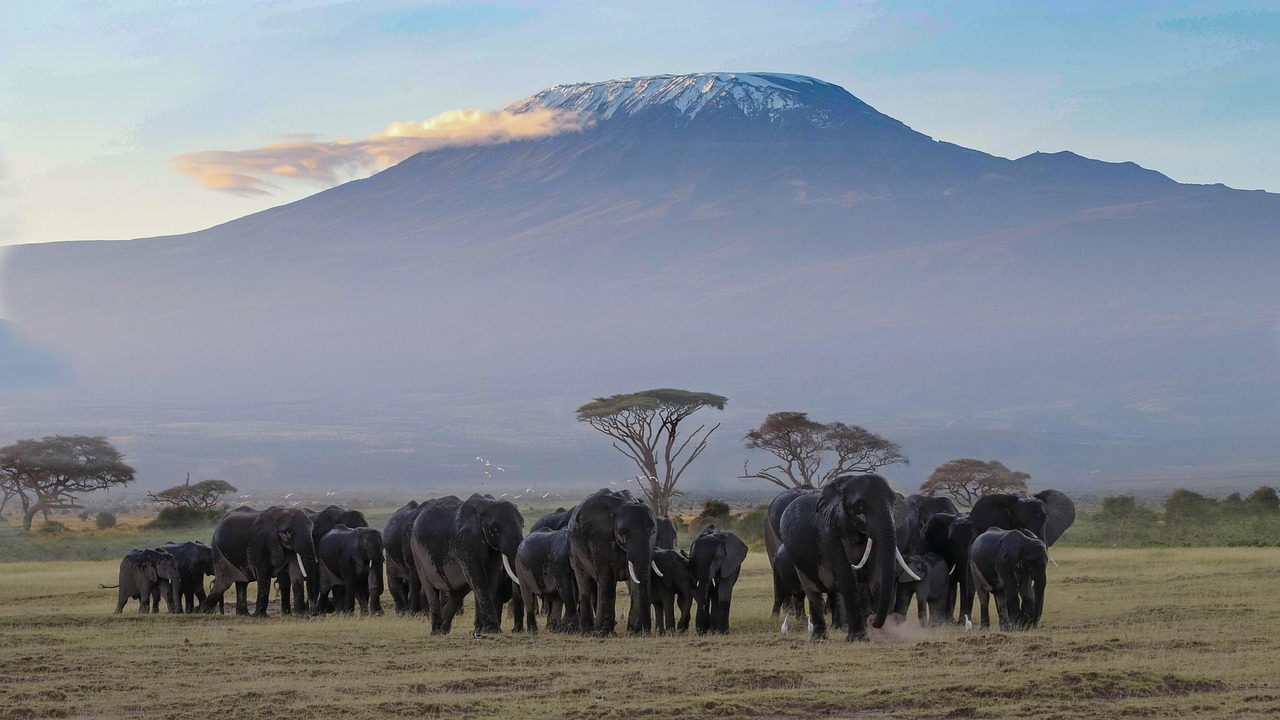
    Then you are actually there. You sit in an open vehicle as morning light floods the plain. Suddenly, a matriarch emerges from the Enkongo Narok swamp. Her family follows close behind her. Calves press against their mothers’ flanks. Meanwhile, adolescents push at the edges with the restlessness of teenagers.

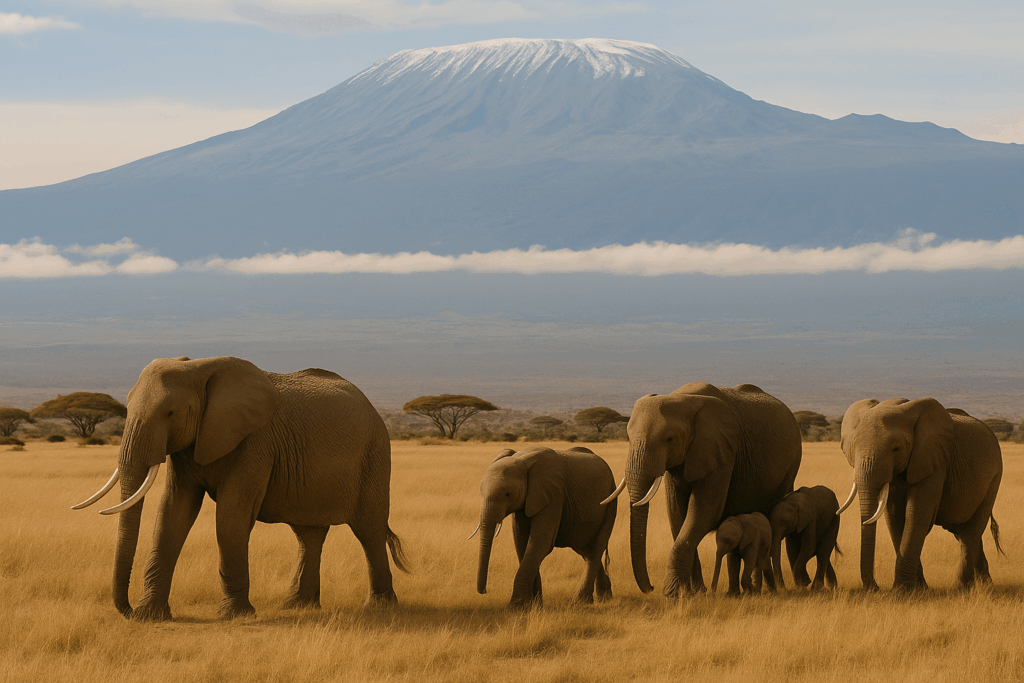
    These animals are enormous and unhurried. They seem completely indifferent to your presence. Beyond them, Kilimanjaro fills half the southern sky. Photographs never quite convey this scale. The mountain rises white and permanent from the plains. Now, its glaciers catch the first light of the morning.

    Something happens to people at this moment. You will see it inside the vehicle. Suddenly, other guests fall quiet. They reach reflexively for their cameras. Then, they put them down again. Instead, they choose to simply look. In this way, the silence of the Mara takes over.

    The images end up fine. The moment itself is better.

    Ultimately, this is Amboseli National Park. It is a place where the largest land animals on earth walk daily. Specifically, they travel across one of Africa’s most extraordinary landscapes. Furthermore, the highest mountain on the continent provides a stunning backdrop.

    In fact, dedicated researchers observe these herds every day. These experts have known the individual elephants and their families for over fifty years. Consequently, the park offers a deep look into elephant society. Indeed, Amboseli is one of the great wildlife destinations on the planet by any measure. Therefore, every safari enthusiast should prioritize a visit to this iconic location.

    What Amboseli Actually Is
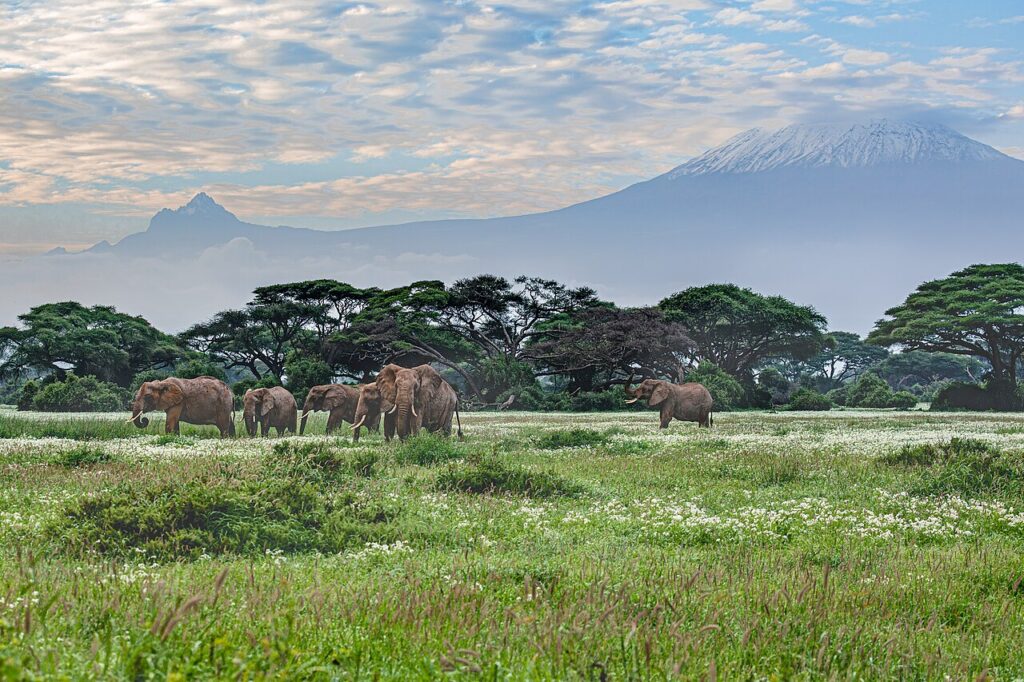
    Amboseli covers roughly 392 square kilometers in southern Kenya. Specifically, it sits within Kajiado County along the Tanzanian border. There, Kilimanjaro looms directly over the park’s southern boundary. The name comes from the Maa word for “salty dust place.”

    Indeed, this is an accurate description of the central basin. A pale, alkaline lake bed occupies much of the park. Originally, this area was part of a massive Pleistocene lake. Today, that ancient water source has left behind a unique and dusty valley.

    It is a compact park by Kenyan standards. The Maasai Mara is three times the size; Tsavo’s two parks together are more than twenty times larger. But Amboseli’s compactness is one of its strengths: the park’s open topography — flat, semi-arid plains with scattered acacia woodland, dominated by permanent swamps in the south and centre — means visibility is extraordinary. There are no dense forests to lose animals in, no thick bush to frustrate sightings. On the open Amboseli plain, what you’re looking for is almost always visible.

    The park’s survival depends on a remarkable hydrological connection with Kilimanjaro itself. Underground aquifers recharged by the mountain’s melting glaciers and rainfall feed a series of permanent swamps — Enkongo Narok and Longinye being the most significant — that remain water-filled even during the most severe droughts. These swamps are the beating heart of the Amboseli ecosystem: lush, green, papyrus-fringed oases in the middle of a landscape that in the dry season looks like the surface of another planet. Every animal in Amboseli depends on them. The elephants are drawn to them daily. And the vision of elephants wading through green swamp water with Kilimanjaro reflected behind them is the defining image of the place.

    The Elephants: The Whole Story
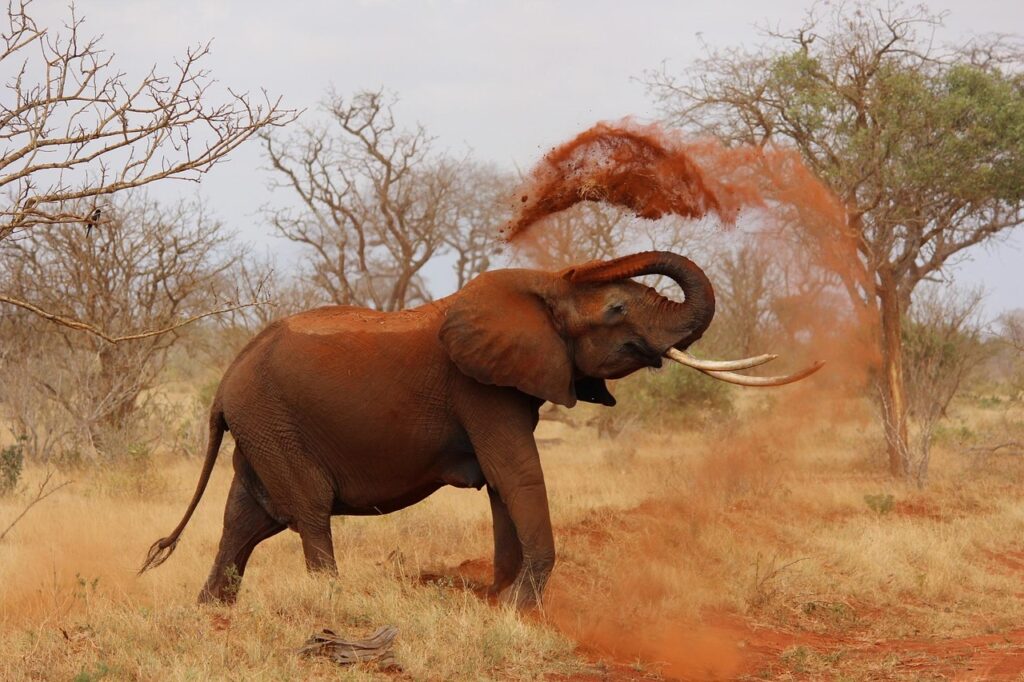
    Amboseli’s elephants are unlike elephants almost anywhere else in Africa, and the reason is scientific.

    Since 1972, Cynthia Moss and the Amboseli Elephant Research Project (AERP) — now the Amboseli Trust for Elephants — have conducted one of the longest-running longitudinal wildlife studies in history. Researchers here have named and studied every single elephant family across multiple generations. In fact, these experts recognize individual elephants on sight. They know their histories by heart and have mapped every complex family connection. Because of this, the park feels less like a wilderness and more like an epic, multi-generational saga. Ultimately, you are not just watching animals; you are watching a well-documented history unfold. This continuous, multigenerational observation has produced some of the most significant discoveries in elephant science — complex social structures, long-term memory, sophisticated acoustic communication, grief and mourning behaviors, and a depth of intelligence that has permanently shifted global understanding of these animals.

    This level of habituation offers visitors an extraordinary experience. Specifically, researchers have observed these elephants closely for over fifty years. Because of this respectful history, the herds are remarkably calm. They are not tamed or performing. Instead, they are simply accustomed to quiet vehicles.

    Consequently, you can enjoy sightings of extraordinary intimacy. For example, you might watch calves learning to use their trunks. Elsewhere, matriarchs discipline restless adolescents. Meanwhile, bulls in musth move through the herds with total authority. Ultimately, their proximity allows you to witness the true soul of the elephant.

    The park protects some of Africa’s last true “super-tuskers.” These bulls carry ivory so long it actually drags along the ground. Amazingly, they still carry genetics that survived the brutal poaching waves of the 1970s. These individuals are Amboseli royalty.

    An encounter with one stays with you forever. They move with a massive, deliberate grace that suggests genuine ownership of the land. Simply put, watching a super-tusker walk toward Kilimanjaro is a moment that never leaves you.

    Amboseli’s elephants also display one of the most iconic visual phenomena in African wildlife: the “red elephants.” The park’s iron-rich volcanic soil stains their skin a deep ochre-red when they dust-bathe and roll in it, a natural behavior that protects them from sun and insects. A herd of Amboseli elephants at midday, dust-bathed in red soil against the pale plain, is a different and equally striking vision from the classic morning swamp silhouette.

    The Daily Rhythm of the Herds

    Amboseli’s elephants follow a predictable daily pattern shaped by survival, and understanding it means you’re always in the right place.

    Early morning (6:00–9:00 AM): Family groups graze on the open northern and eastern plains, spreading out as temperatures remain cool. This is the golden hour for elephant photography — the animals spread across the plain, the light is warm and low, and Kilimanjaro (still cold from the night, often cloud-free at this hour) fills the southern sky. This is the classic Amboseli moment. Be in position by 6:30 AM.

    Midday (10:00 AM–3:00 PM): Heat drives the herds south and into the swamps. Elephants wade, drink, bathe, and rest in the shade of the papyrus margins. This is spectacular in its own way — large numbers of elephants concentrated in the swamp water, calves splashing, adults rolling — but less photogenic than the open-plain morning.

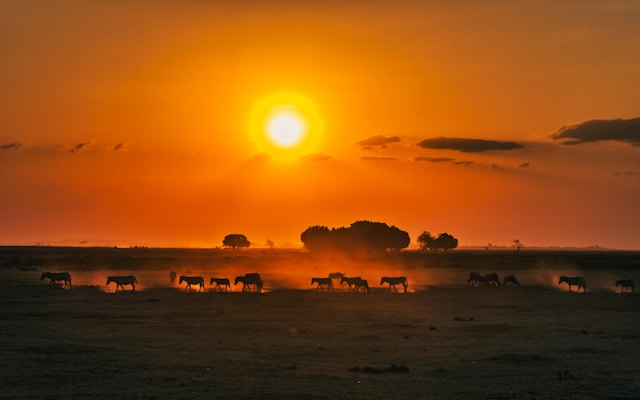
    Late afternoon (4:00–6:30 PM): The herds emerge from the swamps and move back north, crossing the open plain in the extraordinary late light. This is the other prime photography window — backlighting turns the dust raised by their feet into gold, and the mountain, often clearer again after the afternoon clouds have dispersed, completes the scene.

    The secret: Hire the best possible guide — ideally one with AERP connections or a personal history with the elephant families — and follow their intelligence on which herds are where that morning.

    Beyond the Elephants: What Else Lives in Amboseli
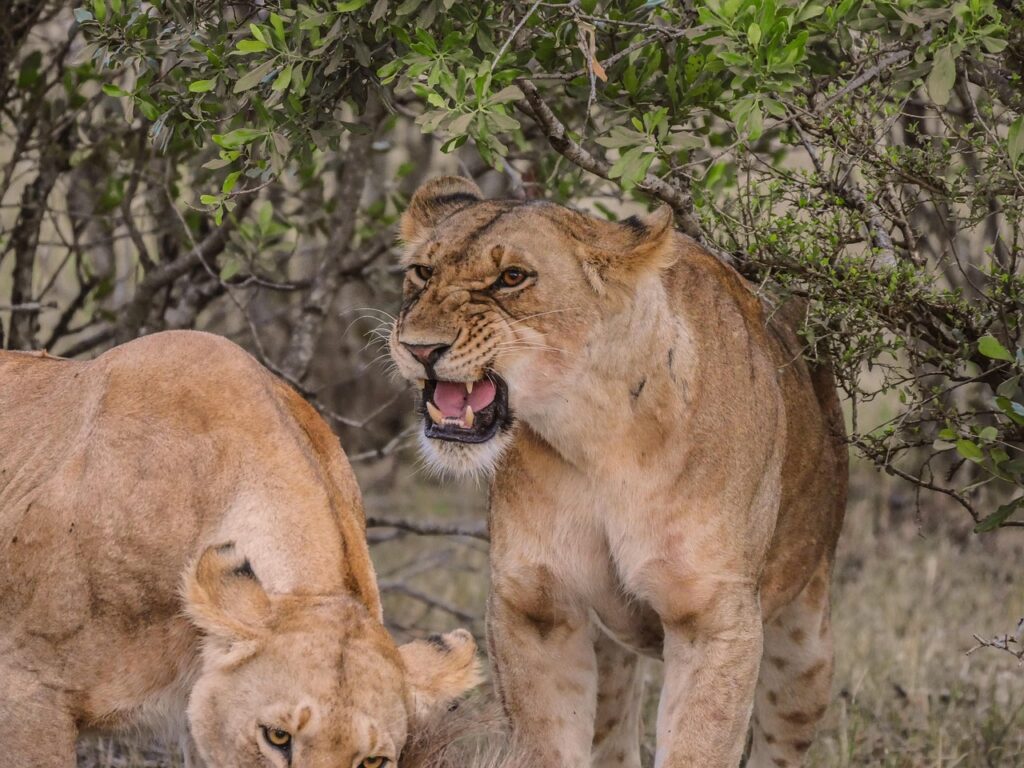
    The instinct to reduce Amboseli to “the elephant park” undersells it considerably.

    Big Cats: Lions are present year-round, typically patrolling the swamp edges where prey concentrates. Cheetahs hunt the open plains — Amboseli’s flat, sparsely vegetated terrain makes cheetah sightings particularly clear and sustained. Leopards exist in smaller numbers, more secretive in the woodland fringes.

    Other Megafauna: Cape buffalo in large herds. Hippos in the swamps alongside the elephants, visible at relatively close range. Masai giraffe. Zebra and wildebeest. Warthog families trotting across the plain with tails erect. The ecological cast is as rich as any major Kenyan park.

    Observation Hill: Observation Hill sits a short walk from the main park road. Notably, it offers the only chance to step out of your vehicle. You can climb to a viewpoint for a full 360-degree panorama. From there, you see the swamps to the south and plains to the north. Meanwhile, Kilimanjaro dominates the entire horizon.

    Suddenly, the scale of the ecosystem becomes comprehensible in a single glance. Therefore, every visitor should make the climb. In fact, the experience only takes about twenty minutes. Ultimately, this stop provides the best perspective of the park.
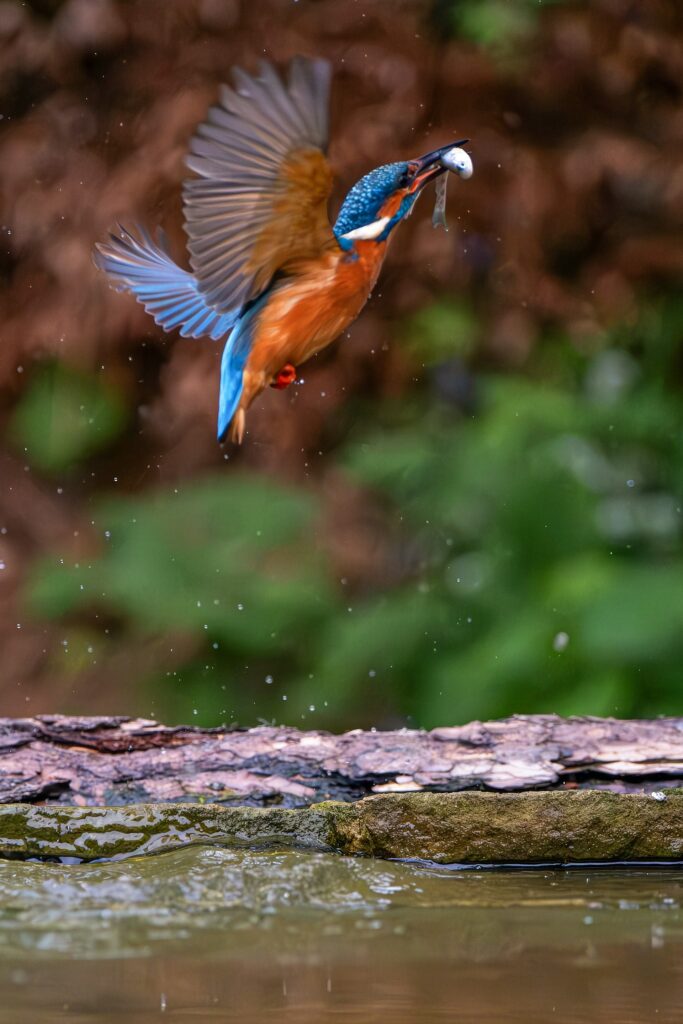
    Birdlife: Over 420 species recorded — one of Kenya’s highest bird counts for a park of this size. The swamps are particularly productive: African fish eagle, grey-crowned crane, great white pelican, malachite kingfisher, saddle-billed stork, Egyptian goose, and dozens of heron and egret species. During the wet season, migratory waders arrive in substantial numbers. Serious birders come to Amboseli specifically and leave entirely satisfied.

    The Maasai Dimension: Culture and Conservation

    Amboseli does not exist in isolation from the people who have lived alongside its wildlife for centuries.

    The Maasai community has coexisted with Amboseli’s wildlife across generations, and their role in the park’s conservation is not peripheral — it is foundational. Much of the land surrounding the national park is Maasai communal land (group ranches), and the Maasai’s historical tradition of not killing wildlife (their cultural identity and wealth is bound up in cattle, not wild game) provided critical protection during the decades when the park was most vulnerable.

    Currently, the park and Maasai communities manage their relationship through formal conservancy agreements. These revenue-sharing structures ensure that tourism supports local people directly. For instance, when you stay at lodges on the park’s edges, a portion of your cost flows to community funds.

    Similarly, the income stays local when you visit a Maasai village. Your itinerary choices provide a direct economic benefit to the traditional landowners. Ultimately, this partnership helps protect both the wildlife and the local way of life.

    A Maasai village visit in the Amboseli ecosystem — not a staged tourism performance but an actual community interaction — is one of the more authentic cultural experiences available in Kenya. The village manyatta (homestead), constructed from mud, dung, and sticks by the women of the family in a design unchanged for centuries, tells you something about human ingenuity and adaptation to harsh conditions that no amount of reading can convey. The cattle, central to Maasai identity and wealth, are present, real, attended to with the attention you’d give something your entire life depends on.

    Amboseli vs. the Maasai Mara: The Honest Comparison
    This question comes up constantly, and it deserves a direct answer.

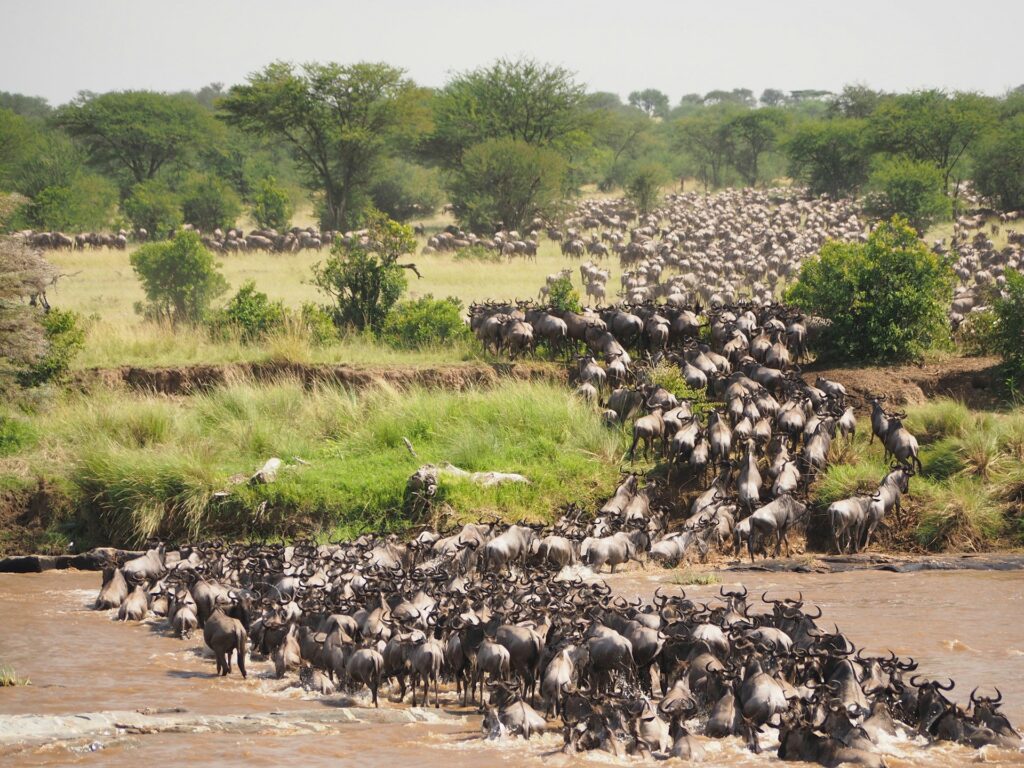
    The Maasai Mara is the better park for overall wildlife diversity and predator density. The Mara hosts more lions, has a larger cheetah population visible more frequently, and during the Great Migration (July–October) provides wildlife spectacle on a scale that nothing in Africa rivals. If this is your one safari and you want to see the most possible wildlife in the most dramatic concentrations, go to the Mara.

    Amboseli is the better park for elephants, for Kilimanjaro photography, and for a more intimate, focused experience. If elephants are your primary passion — if you want to spend time with individuals whose family histories are documented across fifty years, whose behaviors have been studied in extraordinary depth, and whose encounters are genuinely close and sustained — Amboseli is unmatched. If the specific image of large elephants in front of Kilimanjaro is important to you (and for many visitors, it is the primary reason they come to Kenya), Amboseli is the only place in the world where that image is real.

    The very best Kenya itineraries include both. Mara for the migration and the cats, Amboseli for the elephants and the mountain. They are two hours apart by charter flight and are the complementary pillars of Kenya’s safari offering.

    Amboseli in Season: When to Go
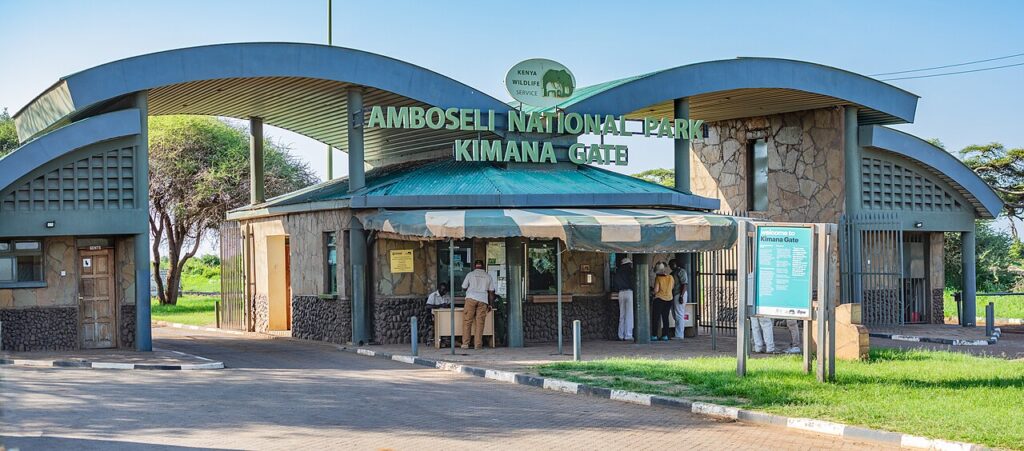
    Dry Season (June–October and January–February): The best windows for wildlife viewing, by a considerable margin. Vegetation is sparse, animals concentrate around the permanent swamps, and Kilimanjaro is most likely to be cloud-free in the mornings. The dry season in Amboseli is when the classic images are made.

    Wet Season (March–May and November–December): The plains transform. After the first rains, the landscape goes from pale brown to vivid green in a matter of days. Elephant numbers disperse across a wider area as water becomes more abundant, making concentrations harder to find — but the individual sightings, against a lush green backdrop, are visually extraordinary. Birding reaches its peak. Prices drop, and the park is significantly quieter. A wet season Amboseli visit has a completely different character from the dry, and travellers who have done both often express deep affection for the green season.

    The cloud question: Kilimanjaro is typically clearest in the mornings of the dry season — particularly January–March. By late morning, cloud often forms around the upper mountain and can conceal it entirely. This is not a reason not to visit, but it is a reason to be at Observation Hill at first light rather than after breakfast.

    Where to Stay in Amboseli

    Amboseli’s accommodation has matured significantly in recent years, and the best lodges are genuinely excellent. Here is the honest guide:

    Tortilis Camp: The benchmark luxury tented camp in Amboseli, set in a shady acacia grove with seventeen tents, each positioned for maximum privacy. The views of Kilimanjaro from the camp are exceptional, the guiding is superb, and the overall experience is intimate in a way that the larger lodge properties cannot match. The dining, served al fresco beneath acacia trees with the plains spread around you, is some of the best camp food in Kenya.

    Ol Tukai Lodge: Positioned inside the national park in a grove of yellow fever trees, Ol Tukai is famous for the fact that wildlife — including elephants — regularly wanders through the grounds. Eighty chalet-style rooms with private verandas facing the mountain. The combination of in-park location (earlier access to game drives), reliable elephant encounters within the grounds, and solid service makes this a consistently excellent choice.

    Amboseli Serena Safari Lodge: The largest option inside the park, built in a Maasai-inspired architectural style with a central swimming pool, cultural performances, and a central location that gives excellent access to all areas. Particularly good for families and for those who want the full lodge experience with multiple amenities.

    Tortilis Camp’s smaller-group rival: Tawi Lodge, on a private conservancy bordering the park, offers a more exclusive and eco-conscious experience with personalized guiding, bush spa treatments, and an outstanding position.

    Angama Amboseli: The newest headline property, built in the tradition of Angama Mara in the Maasai Mara. Boutique, beautifully designed, with exceptional wildlife access and the house style — warm, personal, deeply knowledgeable — that has made the Angama brand one of Kenya’s most celebrated.

    Getting to Amboseli
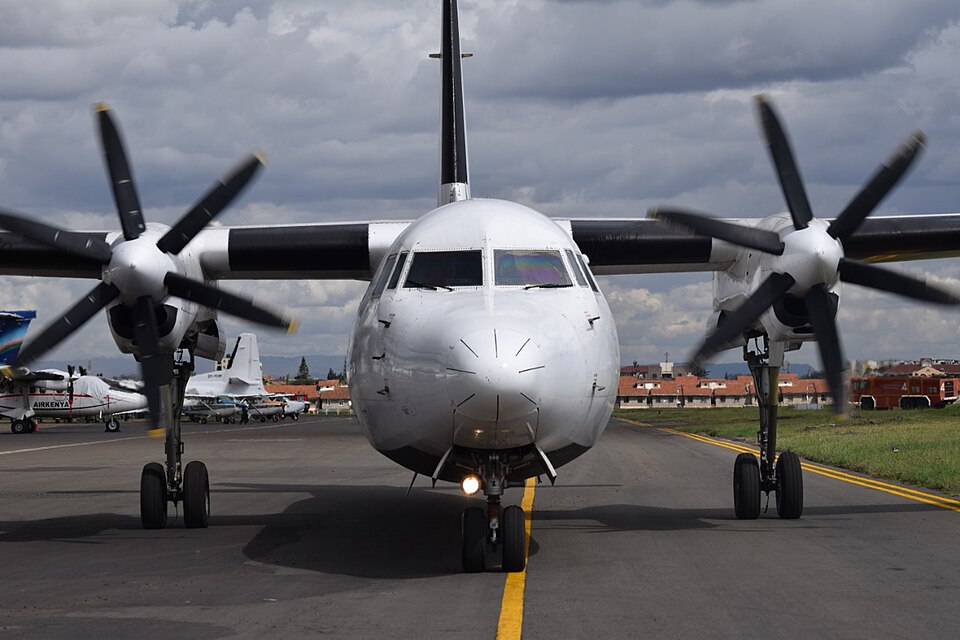
    By air: The fastest option. Scheduled and charter flights operate from Wilson Airport in Nairobi to Amboseli Airstrip, taking approximately 40–45 minutes. This is the recommended approach for travelers with limited time or those coming directly from a Maasai Mara safari. The aerial views of Kilimanjaro on approach are, on a clear day, themselves a highlight.

    By road: Approximately 240 kilometers from Nairobi, taking 4–5 hours by road (via the Namanga route or the Mombasa Road turning at Emali). The road journey is scenic and practical for self-driving visitors or those on road safari circuits that combine Amboseli with Tsavo or the Chyulu Hills. A 4×4 vehicle is required for navigating the park’s internal tracks.

    The Conservation Story: Why Amboseli Matters Beyond Tourism

    Amboseli is not merely a beautiful place to visit. It is one of the most significant sites in global elephant conservation — and the work being done here has implications that extend far beyond Kenya’s borders.

    The Amboseli Trust for Elephants, founded by Cynthia Moss, has since 1972 accumulated a database of individual elephant life histories that is without parallel anywhere in the world. Researchers can trace family groups across three and sometimes four generations — grandmothers, mothers, daughters, and granddaughters whose stories are known in the kind of detail normally reserved for human biographies. This research has proven elephant intelligence, emotional capacity, and complex social organization in ways that were not scientifically established before Amboseli.

    The discoveries have been profound. Elephants recognize themselves in mirrors — one of the few animal species that does. They mourn their dead, returning repeatedly to the bones of deceased family members and touching them with their feet and trunks in behaviors that appear indistinguishable from grief. They communicate via very low frequency infrasound across distances of several kilometers — an entire acoustic dimension of their social life that humans cannot hear without specialist equipment. Matriarchs pass knowledge of historical drought refuges and water sources to younger generations, knowledge that keeps families alive during severe climate events. All of this was discovered or confirmed in Amboseli.

    The park also sits at the center of critical debates about elephant migration corridors. Amboseli’s elephants historically ranged across a far wider territory — into Tsavo to the east, through the Chyulu Hills, and south into Tanzania’s Kilimanjaro ecosystem. These corridors are increasingly fragmented by agricultural expansion and human settlement. The work of identifying, protecting, and sometimes negotiating safe passage for these movement routes is a daily challenge for Amboseli’s conservation community, and it is work that directly determines whether large-scale elephant conservation in southern Kenya remains viable.

    When you visit Amboseli, you are not simply a consumer of wildlife tourism. A portion of your park fees, your lodge rates, and the conservancy fees embedded in your safari costs fund this work directly.

    For Photographers: Making the Most of Amboseli’s Light
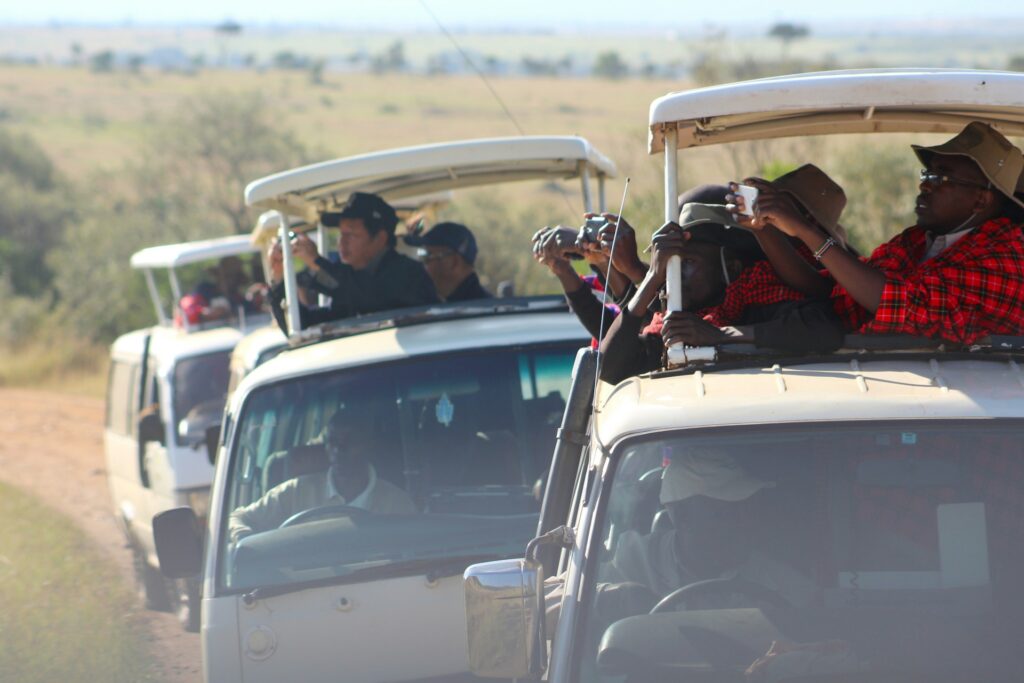
    Amboseli is, by wide consensus among wildlife photographers, one of the finest camera destinations in Africa. The reasons are specific and worth understanding before you arrive.

    The park’s flat, open topography means you are almost always shooting at ground level with animals in open, unobstructed terrain — no trees blocking subjects, no tall grass forcing high-angle shots. The background is consistently clean: open plains, swamp reflections, or the mountain. And the light, in a semi-arid landscape at altitude close to the equator, is extraordinary at the right times of day.

    Golden hour (6:00–8:00 AM and 4:30–6:30 PM) produces the warm, directional light that makes dust and mist glow, that turns elephant skin from grey to bronze, and that gives the plains a quality that midday shooting simply cannot achieve. These are your hours.

    Kilimanjaro’s cloud pattern follows a fairly predictable daily rhythm: typically, clear at dawn, developing cloud bands around the upper slopes by mid-morning, clearing again in the late afternoon. Arrivals at 5:30 AM to catch the mountain in full before the clouds build pays off consistently during dry-season visits. January and February are considered the peak months for clear mountain views.

    For elephant close-ups, a 300–500mm telephoto gives you intimate working distances without pressure to move the vehicle uncomfortably close to the herds. For landscapes with elephants in context — the Kilimanjaro panoramic shots — a 24–70mm gives you the breadth. Bring both. You will use both, probably on the same morning.

    A note on drone photography: drones are not permitted within Kenya Wildlife Service parks without specific permits. Do not attempt to fly one in Amboseli; the penalties are serious and the disruption to wildlife significant.

    Is Amboseli Worth It? The Straightforward Answer
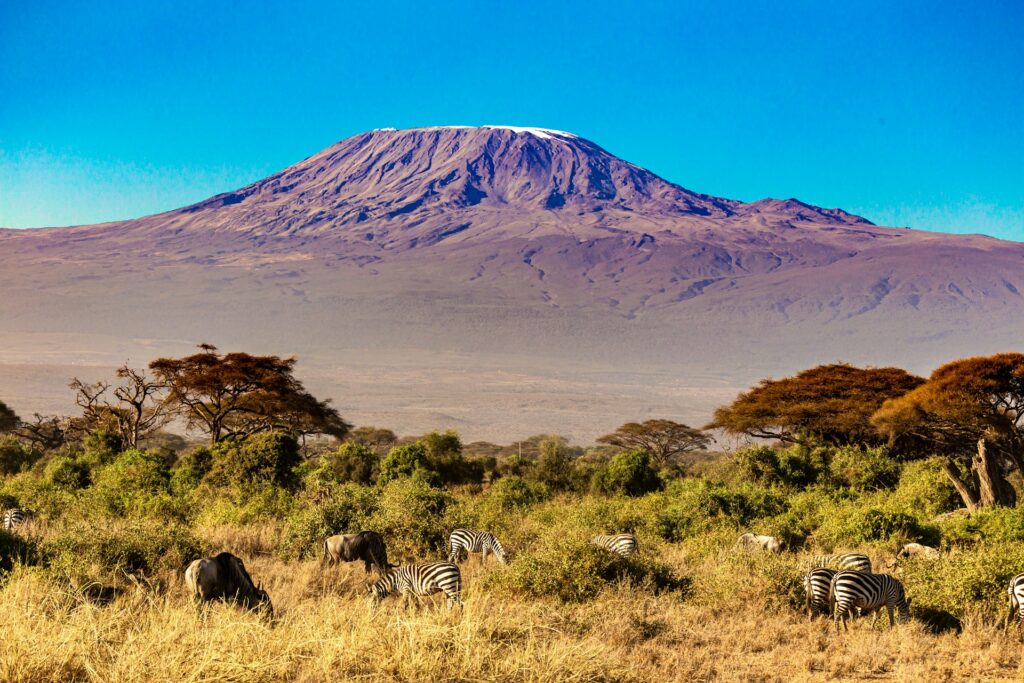
    Photo by <a href="https://unsplash.com/@steve4c?utm_source=unsplash&utm_medium=referral&utm_content=creditCopyText">Stephan Bechert</a> on <a href="https://unsplash.com/photos/a-group-of-zebras-grazing-in-a-field-with-a-mountain-in-the-background-xQWelDCacZE?utm_source=unsplash&utm_medium=referral&utm_content=creditCopyText">Unsplash</a>

    Yes — with a specific understanding of what Amboseli is and is not.

    Amboseli is not a general-purpose wildlife park where you come to tick the Big Five in minimum time. Go to Tsavo or the Mara for that. Amboseli is a park with a very specific, very powerful identity: the elephants, the mountain, the research history, the Maasai cultural context, and the extraordinary intimacy that the open terrain makes possible.

    Visitors who come knowing what Amboseli is — and give it two or three nights — consistently describe it as among the most meaningful wildlife experiences of their lives. Visitors who arrive expecting the Maasai Mara in smaller packaging leave slightly underwhelmed.

    Know what you’re coming for. Come for it properly. And then stand on Observation Hill at 6:30 in the morning while the sun rises over the plains and the elephants move toward the mountain, and decide for yourself whether the title of this article oversold it.

    It doesn’t.

    Ready to plan your Amboseli safari? Request a custom Kenya itinerary that combines Amboseli with the Maasai Mara, Tsavo, or the Kenyan coast here.
  • Nairobi Is Not a Stopover. It Is the Destination.

    Nairobi Is Not a Stopover. It Is the Destination.

    Most people arrive in Nairobi intending to leave it as quickly as possible.

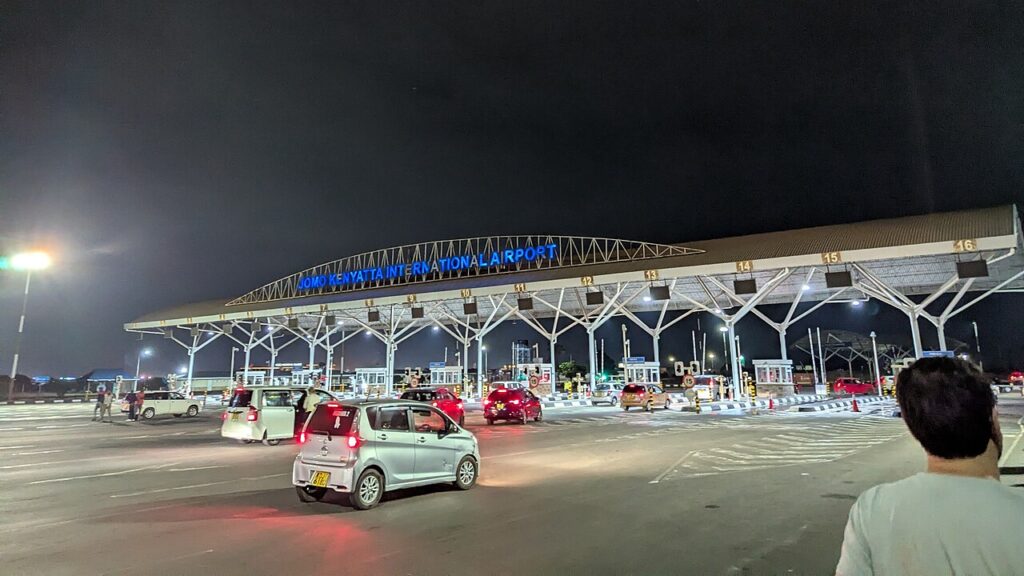
    The flight lands at Jomo Kenyatta International Airport, the pre-safari instructions say something about a one-night stop, and by the following morning they’re in a bush plane banking low over the Rift Valley, watching the city disappear behind them. Kenya’s wildlife is the thing. The Maasai Mara is the thing. Nairobi is just the door you walk through to get there.

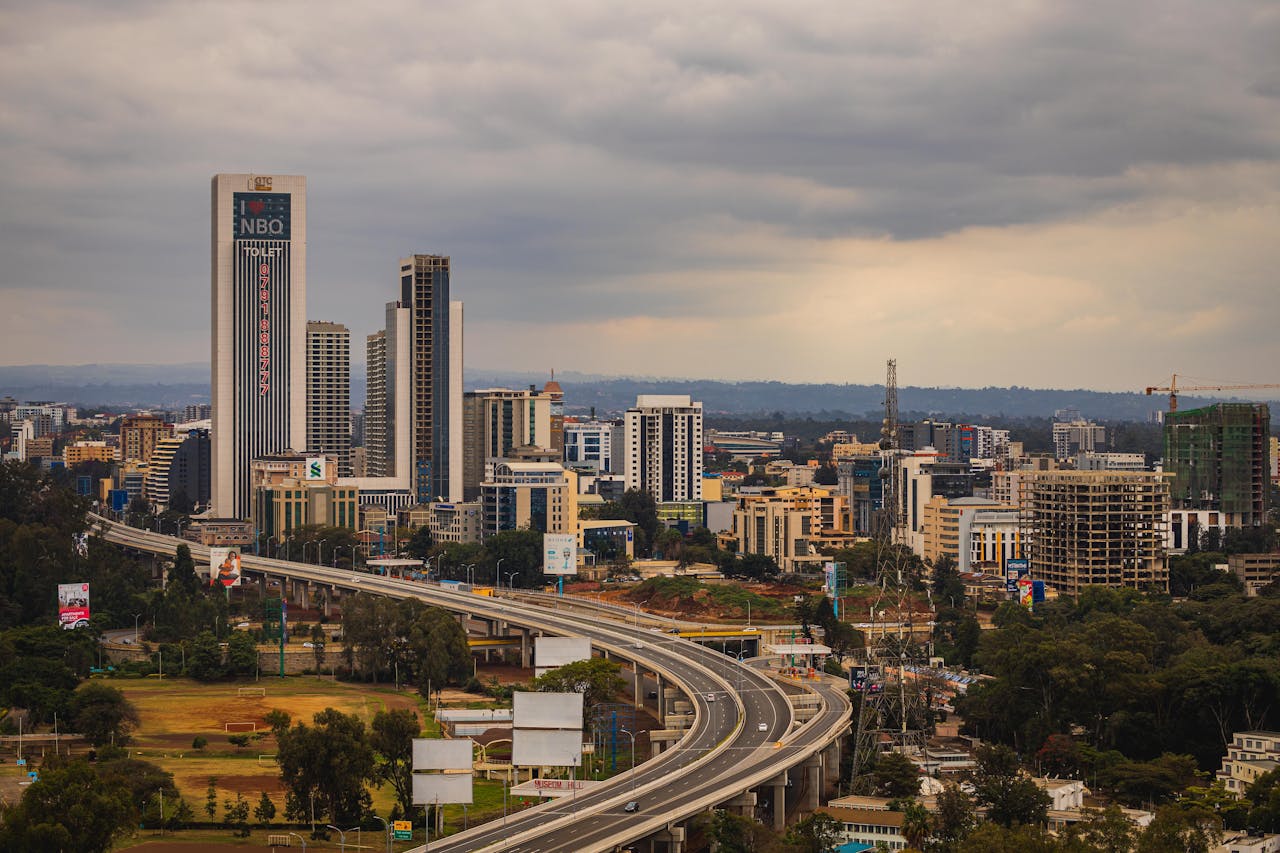
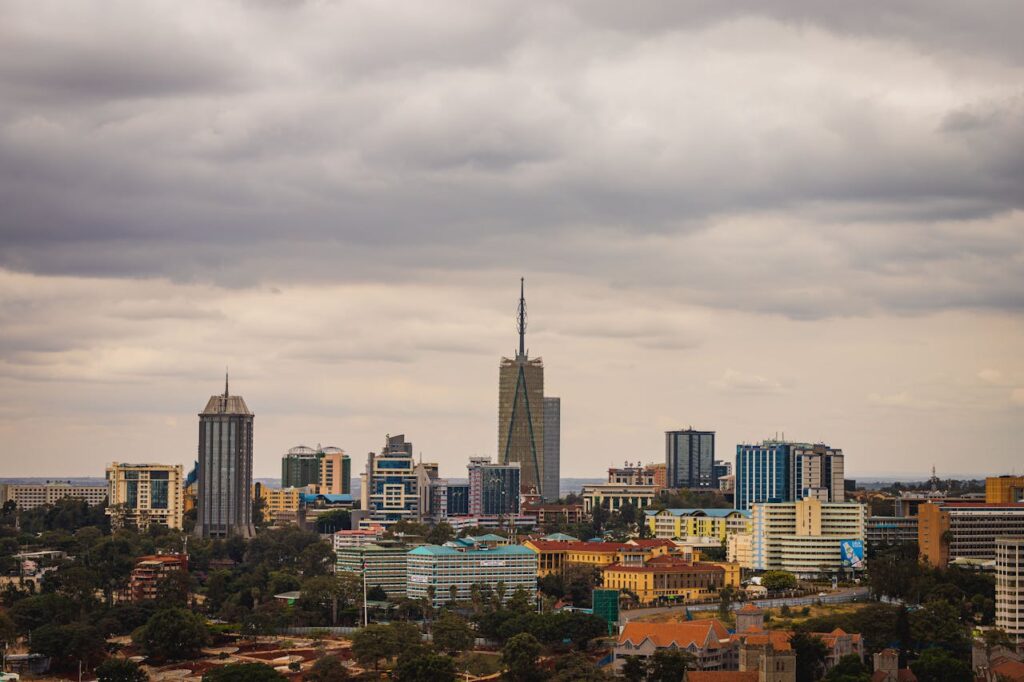
    Here’s what those people miss: one of the most surprising, layered, genuinely interesting cities in Africa. A place where giraffes wander through open country with glass towers rising behind them. Where a coffee estate operates ten minutes from a gridlocked roundabout. On top of that where the best restaurant you’ll eat at in Kenya might be in a garden in Karen, not a bush camp. Where contemporary African art, Swahili cooking, Maasai crafts, and a dining scene that could hold its own in any world city exist side by side in a single afternoon.

    Nairobi began, somewhat improbably, as a railway depot. British colonial engineers in 1899 needed a supply station on the Uganda Railway, and they chose a flat patch of Maasai grazing land at an elevation of about 1,660 meters — cool enough to be comfortable, strategically placed between Mombasa and the interior. That depot grew into a settlement, then a colonial capital, then a city of 4.5 million people that is today East Africa’s undisputed economic, political, and cultural engine.

    It earns more time than most itineraries give it.

    Nairobi’s Neighborhoods: How the City Actually Works

    To understand Nairobi, you must first understand its geography. Specifically, this is a city of distinct and strongly differentiated neighborhoods. Indeed, every area offers its own unique atmosphere. Furthermore, each district possesses its own personality. In fact, every neighborhood provides its own specific reason to visit. Consequently, exploring the city feels like visiting several different worlds in one day.

    Karen

    Named, improbably, after Karen Blixen — the Danish author who farmed here in the early 20th century and immortalized the landscape in Out of Africa — Karen is Nairobi’s most pleasant surprise for visitors expecting a typical African urban experience.

    This is leafy, quiet, and spacious in a way that feels almost entirely unlike the city beyond its borders. Wide lanes between mature trees, spacious properties set back from the road, horses grazing in paddocks between boutique lodges and farm-to-table restaurants. Karen is where Nairobi breathes. It’s where you find the Giraffe Centre, the David Sheldrick Wildlife Trust, and the Karen Blixen Museum, three of the city’s most compelling visitor experiences, in the same fifteen-minute radius.

    The restaurant scene in Karen is extraordinary — genuinely among the best in the city. Talisman is widely considered one of Nairobi’s top restaurants: a refined, eclectic menu (think sushi rolls, fillet steak, Kenyan-sourced produce, and globally inspired flavors) in a beautiful garden setting that gets the lighting right at every hour. Cultiva Farm Kenya is the farm-to-table ideal done properly — seasonal, organic, gorgeous. If you’re staying two or more nights in Nairobi, spend at least one evening in Karen.

    Westlands

    Westlands serves as the city’s social nucleus. Specifically, it is packed with international restaurants and craft cocktail bars. Furthermore, you will find live music venues and rooftop terraces throughout the district. In addition, the area hosts the excellent Sarit Centre and Westgate shopping malls.

    Consequently, this is where the expat community and young professionals converge after dark. Indeed, international visitors also gather here to enjoy the nightlife. In fact, the energy on a weekend evening feels properly cosmopolitan. Ultimately, this presents a side of Nairobi that you might not expect.

    Key Westlands experiences: The Alchemist, a multi-concept outdoor space with food trucks, weekend markets, craft beer, and live music that has become one of the city’s favorite social venues. Brew Bistro, celebrated for its Kenyan craft draught beers and a Sunday brunch that the city has made into something of a tradition. And the consistently excellent Indian food — Westlands has arguably the finest Indian restaurant corridor in East Africa, built over decades by the large Kenyan-Asian community that has made this neighborhood its own.

    Kilimani

    Kilimani sits between Karen and Westlands in both geography and character — lively, walkable, café-dense, and popular with digital nomads and mid-range visitors who want a local neighborhood feel rather than a hotel-corridor experience. The Nairobi Arboretum — a green urban forest that most visitors never discover — sits at Kilimani’s edge and provides a genuinely peaceful hour of birdwatching and walking in what feels like countryside trapped inside the city.

    The CBD and Upper Hill

    The Central Business District houses the city’s most iconic landmarks. Specifically, you will find government buildings and the historic railway station here. Furthermore, the district contains the Kenya National Archives and the KICC. Notably, the KICC offers a stunning panoramic view from its upper floors.

    Meanwhile, Upper Hill rises to the south. Indeed, this area holds the city’s highest concentration of corporate offices. Consequently, many business travelers choose to stay in this district. Additionally, the location remains very convenient for those visiting JKIA. Ultimately, these two hubs define the city’s modern and historic skyline.

    Eastlands

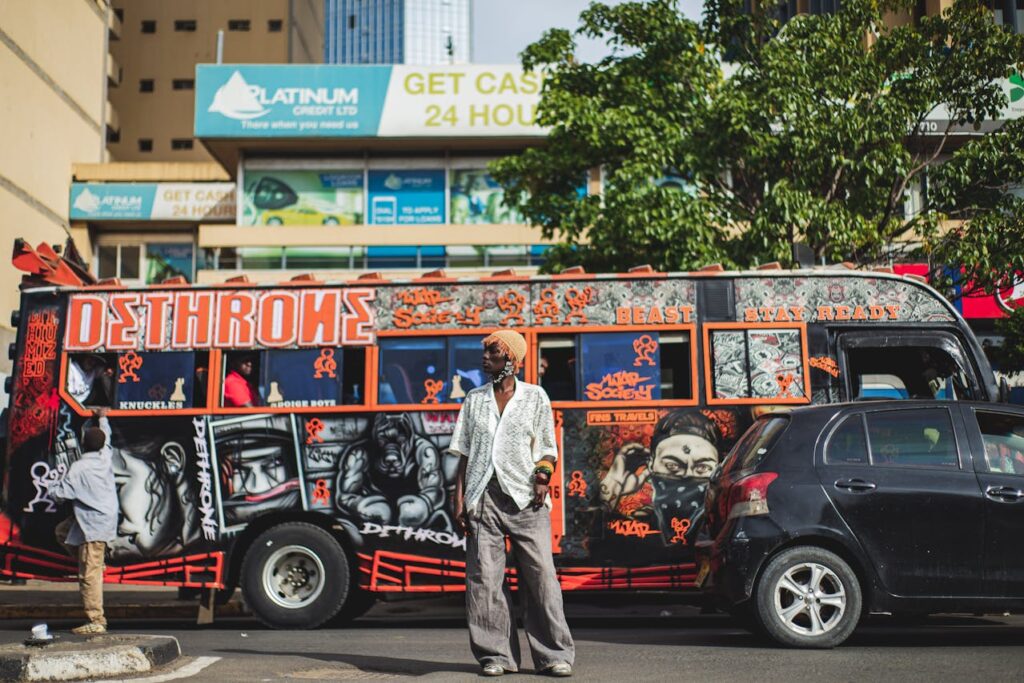
    The east of the city — including Eastleigh, Kariobingi, and Buruburu — is where Nairobi lives rather than where it performs for visitors. This is real, working Nairobi: markets crammed with fabric, electronics, and food; the Eastleigh commercial district that has grown into one of East Africa’s most significant wholesale trading zones (largely driven by the Somali diaspora community); the extraordinary matatu culture, with its impossibly decorated minibuses blasting music through Nairobi’s eastern streets. Explore Eastlands with a local guide who knows it — this is not the Nairobi of luxury hotels and giraffe selfies, and it is all the more interesting for it.

    The Wildlife: Nairobi’s Most Unreasonable Attraction

    Photo by <a href="https://unsplash.com/@amonrichie?utm_source=unsplash&utm_medium=referral&utm_content=creditCopyText">Amon Richie</a> on <a href="https://unsplash.com/photos/a-herd-of-zebra-standing-on-top-of-a-lush-green-field-XqAxzMbOheM?utm_source=unsplash&utm_medium=referral&utm_content=creditCopyText">Unsplash</a>

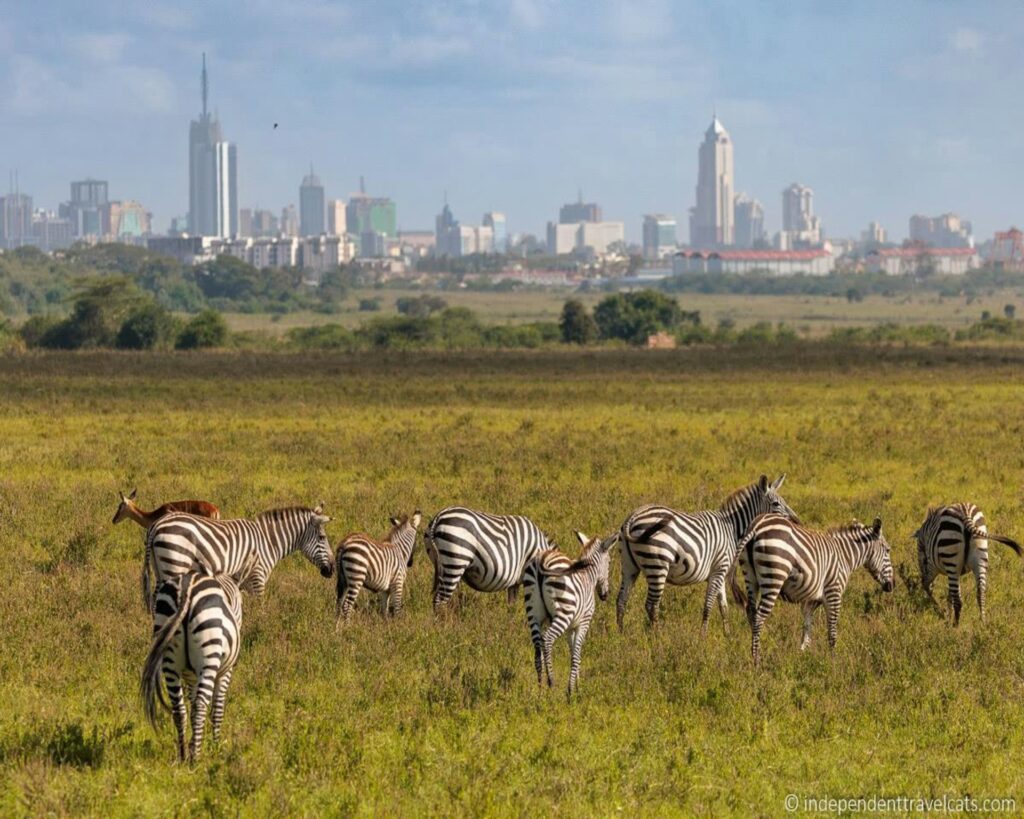
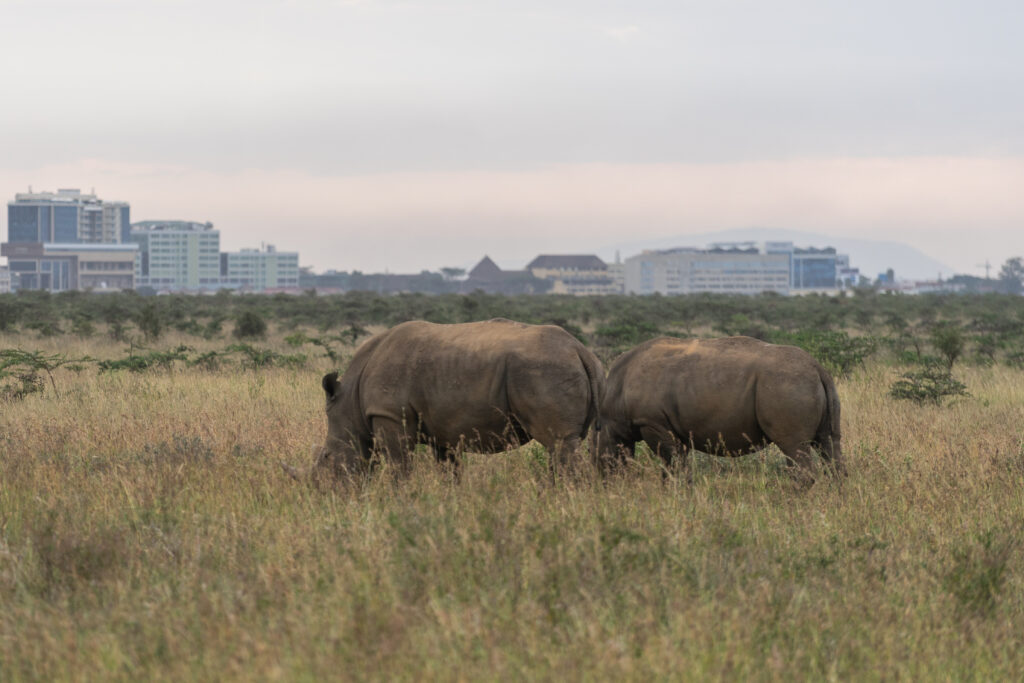
    The single most implausible thing about Nairobi, repeated so often it loses none of its impact: there is a national park on the southern edge of the city where you can watch lions, rhinos, leopards, and giraffes against a backdrop of skyscrapers.

    Nairobi National Park covers 117 square kilometers. Specifically, the Kenya Wildlife Service manages this unique space. Notably, it remains the world’s only national park within a capital city boundary. Indeed, the wildlife here is genuinely wild. For instance, these animals are not fenced from predators or kept in a zoo.

    Consequently, lions make kills here. Meanwhile, rhinos roam freely across the plains. Furthermore, the Ivory Burning Site Monument stands within the park. Historically, the government burned confiscated ivory here in 1989. Ultimately, this act sent a powerful signal of zero-tolerance to the world.

    A morning game drive in Nairobi National Park — leaving your hotel at 6:00 AM, entering the park gates by 6:30, and spending three hours in actual savannah wilderness before returning to the city by 10:00 — is one of the strangest and most satisfying experiences in African travel. The juxtaposition never fully resolves itself, and that’s what makes it extraordinary.

    The park is best visited early morning and late afternoon. Entry fees are paid via the eCitizen KWS platform.

    The David Sheldrick Wildlife Trust (Sheldrick Wildlife Trust)

    The Sheldrick Trust is one of the most moving wildlife experiences in Nairobi, and for many visitors, one of the most moving experiences of their entire trip. The Trust rescues and rehabilitates orphaned baby elephants — calves that have lost their mothers to poaching, drought, or human-wildlife conflict — with the goal of eventually releasing them back into the wild.

    The visiting window (currently 11:00 AM to 12:00 PM for general visits, with afternoon private visits available through the Foster Parent programme) puts you within a few meters of baby elephants being bottle-fed, mud-bathing, and playing with each other. The keepers, who live with the elephants 24 hours a day in the early years of their lives, explain each animal’s story. It is, without qualification, the most likely thing in Nairobi to make a grown adult cry. Book in advance.

    The African Fund for Endangered Wildlife — Giraffe Centre

    The Giraffe Centre is just what it says: a breeding and conservation center for the endangered Rothschild’s giraffe (also known as the Nubian giraffe), one of the world’s rarest giraffe subspecies. You feed them from a raised platform at eye level. They take food from your hand, from your lips if you’re willing, with enormous pink tongues and absolute indifference to your amazement at their existence. It is chaotic and wonderful and deeply silly and completely unforgettable.

    The centre also runs educational programmes that have made a significant contribution to Rothschild’s giraffe conservation, and the population within the center regularly produces calves that are released to bolster populations in other Kenyan parks.

    The Cultural Layer: Museums, Markets, and Living Tradition

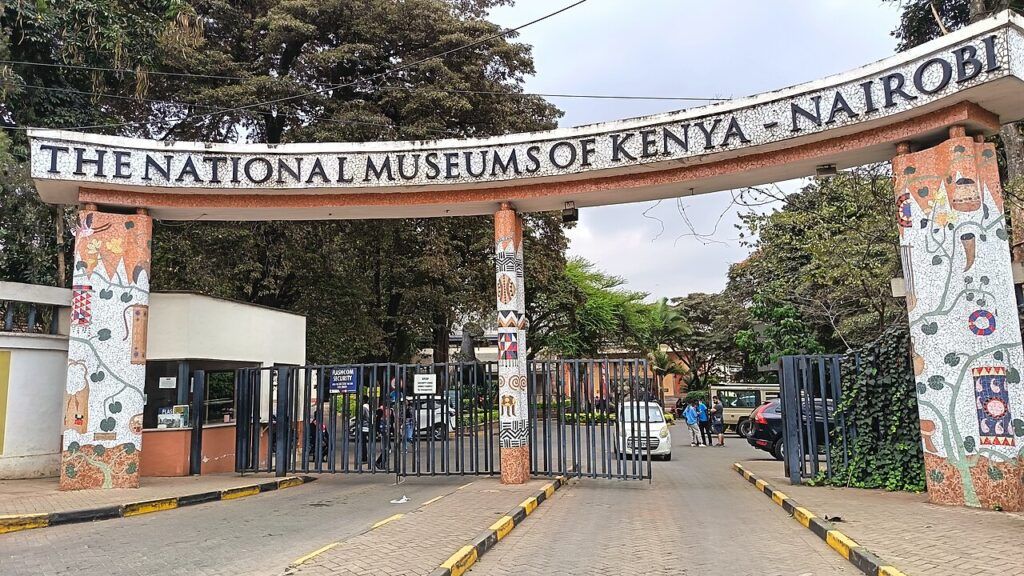
    The Nairobi National Museum

    The National Museum sits near the CBD on Museum Hill and is one of the finest natural history and cultural museums in East Africa. Its collections cover archaeology (including Rift Valley hominid fossils and the Lucy family of discoveries), ethnography from Kenya’s 42+ ethnic groups, contemporary art, and natural history. The adjacent Snake Park is a particular hit with children. Budget two to three hours.

    The Karen Blixen Museum

    The farmhouse that served as Karen Blixen’s home during her years in Kenya (1914–1931) has been preserved and opened as a museum. The setting — on the slopes of the Ngong Hills, with the forested ridgeline behind it — is exactly as evocative as the novel and subsequent film suggested. The museum traces her life in Kenya, her farming attempts, her relationship with Denys Finch Hatton, and the broader colonial-era history of this part of the country. Whether you’ve read Out of Africa or not, this is a fascinating and well-presented window into a complex chapter of Kenyan history.

    Bomas of Kenya

    Located in Langata (near Karen), the Bomas of Kenya is an open-air cultural center showcasing traditional homesteads, crafts, and performances from Kenya’s diverse ethnic groups. The performances — which include traditional dances, acrobatics, and music from different communities — are genuinely spectacular rather than merely tourist-facing. It is an explicitly performative space, but the quality of the cultural documentation and the skill of the performers makes it one of the most engaging cultural experiences in the city.

    Kazuri Beads

    Kazuri (meaning “small and beautiful” in Swahili) is a social enterprise near Karen that has been making handcrafted ceramic beads since 1975. It now employs over 300 single mothers, most of whom are the primary earners for their families. The factory is open for tours where you can watch the entire production process — clay mixing, bead shaping, firing, glazing, and stringing — and purchase finished jewelry directly. This is one of the most honest and enjoyable shopping experiences in Nairobi, and the products are genuinely beautiful.

    The Maasai Market

    Rotates between various upscale Nairobi venues on different days of the week (Village Market on Fridays is one of the best-attended), the Maasai Market is where Nairobi’s craft trade comes to life. Hundreds of vendors sell jewelry, textiles, carvings, bags, home goods, and the full spectrum of Kenyan artisanal work. Prices are negotiable — this is a market, not a boutique — and the atmosphere is vibrant in a way that sanitized craft shops simply cannot replicate. Budget time and energy; this is not a quick browse.

    Eating and Drinking in Nairobi: The Full Picture

    Nairobi’s food scene is one of the city’s best-kept secrets internationally, and it would be an enormous mistake to spend your Nairobi nights eating at your hotel.

    What Kenyan Food Actually Tastes Like

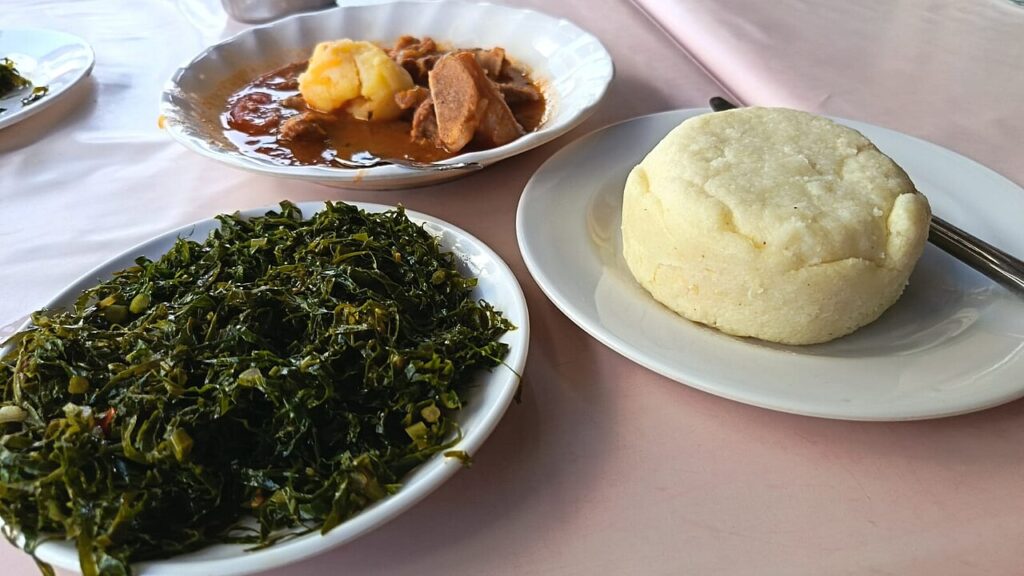
    Start here, because the baseline matters. Kenyan cuisine proper — ugali (a thick, neutral maize meal that functions as a starch base for everything else), sukuma wiki (braised collard greens, an everyday staple), nyama choma (slow-grilled meat, typically goat or beef, usually served unsauced at a side table with friends and cold Tusker lager), githeri (maize and beans), mandazi (sweet fried dough), and chai (Kenyan tea, brewed with milk and spices from the start) — is honest, unpretentious, and deeply satisfying food built for a working life rather than a restaurant review.

    Nyama Mama in Westlands is the best introduction to upscale Kenyan food — the menu is a creative reimagining of classics, beautifully plated, served in a warm, buzzy space. Mama Oliech in Kilimani is the institution: no-nonsense whole fried tilapia served the way it’s been served for decades, with rice, kachumbari, and a level of collective local devotion that tells you everything you need to know.

    For Fine Dining

    Talisman in Karen remains the benchmark — consistently voted one of the best restaurants in Nairobi across every survey that exists. Lucca at the Villa Rosa Kempinski is where the Italian food gets serious (small portions, extraordinary flavor). The rooftop experience at Sarabi Rooftop Lounge at the Sankara Hotel provides panoramic sundowners with the city spread below.

    For a Different Kind of Evening

    The Alchemist in Westlands is the outdoor social experiment that Nairobi needed — food trucks, craft beer, resident DJs, occasional weekend markets, and the kind of mixed, cheerful, unsnobby crowd that suggests the city is doing something right.

    Nairobi Street Kitchen on Mpaka Road offers a trendy food-hall format with diverse cuisines, live events, and a reliable cross-section of what the city eats and drinks.

    Java House is the city’s most beloved coffee chain — not because it’s the most exciting coffee option, but because it’s reliably excellent, always comfortable, and has become part of how Nairobi thinks about itself. Every neighborhood has one. Any of them work.

    Green Nairobi: Nature Within the City

    Karura Forest

    The most important urban forest in Nairobi, and one of the largest urban forests in Africa. Karura Forest covers about 1,000 hectares on the city’s northern edge and is managed by Kenya Forest Service. It has a network of walking and cycling trails, a waterfall (complete with natural swimming pool that locals have claimed firmly for themselves), cave networks, picnic spots, and extraordinary birdwatching.

    Karura is the place Nairobi residents go to remember that their city is built in a landscape that was once continuous forest — and the reason it still exists, after decades of pressure from construction and encroachment, is a conservation battle worth reading about.

    The Ngong Hills

    A 45-minute drive from the city center, the Ngong Hills form the western edge of Nairobi’s urban area and mark the beginning of the Rift Valley descent. The hills are hikeable — the main trail follows the escarpment ridge between the four summits, offering extraordinary views in both directions: back toward Nairobi on a clear morning, and west toward the Rift Valley floor far below. Kenya Wildlife Service manages the trail and provides ranger escorts for safety.

    The Arts Scene: Nairobi’s Creative Renaissance

    Photo by nashon otieno: https://www.pexels.com/photo/vibrant-nairobi-matatu-street-art-scene-36243880/

    Something has shifted in Nairobi’s creative community over the past decade, and visitors who pay attention will find it everywhere.

    The city has developed a genuinely vibrant contemporary art scene that engages with African identity, post-colonial history, and the pressures of rapid urbanization in ways that are more interesting than almost any Western gallery equivalent. The Nairobi National Museum’s rotating contemporary exhibitions — alongside its permanent ethnographic collections — are a good starting point. The Nairobi Gallery in the CBD regularly showcases Kenyan and East African artists in a former colonial building that has aged gracefully into cultural purpose.

    Beyond the formal gallery circuit, Nairobi’s art is on its matatus. The city’s minibuses are internationally recognized as moving canvases — covered in intricate, technically skilled paintings of celebrities, politicians, musicians, footballers, and abstract patterns, each bus a statement of identity and artistic ambition. The matatu as art form has been written about, photographed, and exhibited internationally. Simply walking through busy Nairobi streets and watching them pass is a legitimate cultural experience.

    The African Heritage House, set on the edge of Nairobi National Park in Langata, is something unique: a private collection of over 6,000 traditional African artefacts from 39 countries, assembled over decades by the late Alan Donovan, displayed in an extraordinary building that feels like a living archive. Tours of the house are available — this is not a mainstream tourist attraction, and finding it requires a little intention, but the experience rewards that effort considerably.

    Shopping in Nairobi: Beyond the Maasai Market

    The Maasai Market gets all the attention — deservedly, for craft shopping. But Nairobi’s retail landscape has become considerably more interesting than the standard tourist gift circuit.

    Kazuri Beads (covered above under Cultural Layer) is the most meaningful place to spend money on handmade jewellery — both because the products are exceptional and because the economic impact is transparent and direct.

    Utambuzi Arts & Crafts in Westlands and various pop-up craft fairs in Karen and Kilimani offer contemporary Kenyan design that moves beyond the curio-shop aesthetic. Young Kenyan designers are working with traditional textile techniques, Kikoy fabric, and Maasai beadwork to produce clothing and homewares that are genuinely stylish and specifically Kenyan.

    Sarit Centre and The Junction are Nairobi’s most pleasant malls for practical shopping — well stocked, air-conditioned, and containing international brands alongside Kenyan retailers and good food courts. For books about Kenya (the literature is extraordinary — from Karen Blixen through Ngugi wa Thiong’o to contemporary writers like Yvonne Adhiambo Owuor), Prestige Bookshop in the Westlands area is worth finding.

    Day Trips from Nairobi

    Lake Naivasha and Hell’s Gate National Park

    About 90 minutes northwest, Lake Naivasha and Hell’s Gate (where you cycle among zebras and giraffes, and hike gorges that inspired Disney’s The Lion King) form the ideal one-day Rift Valley escape. Leave at 6:00 AM, be on a bicycle inside Hell’s Gate by 9:00, boat on the lake by 2:00 PM, and back in Nairobi for dinner.

    Amboseli National Park (Extended Day Trip or Overnight)

    About 240 kilometers southeast, Amboseli is technically too far for a standard day trip — but those with a single full day and an early start have done it as a long day. Better as one or two nights: the drive itself is scenic, the road is good, and the park rewards a proper stay.

    How Long Do You Need in Nairobi?

    The honest answer: two nights minimum, three ideally.

    One night is enough to recover from international travel and tick the Sheldrick Trust or the Giraffe Centre. Two nights allows you to add Nairobi National Park in the morning, a proper lunch in Karen, the Karen Blixen Museum in the afternoon, and dinner at Talisman. Three nights opens the Maasai Market, Karura Forest, Bomas of Kenya, and a proper evening at the Alchemist.

    Beyond three nights, you’re into the territory of a proper Nairobi-centric city break — which increasingly makes sense, because Nairobi in 2026 is a city that can hold attention and reward curiosity for considerably longer than the standard itinerary ever gives it.

    How to Get Around

    Uber and Bolt are the standard tools for tourist transport in Nairobi and work very well. Always book in-app, confirm your driver’s name and vehicle registration before entering, and share your trip with someone. Fares are reasonable.

    Do not walk in central Nairobi at night. This is not overcautious advice — it is how Nairobi residents themselves behave, and it is correct.

    The Nairobi Expressway has transformed travel between JKIA and the city center, bypassing the old airport road and reducing a journey that used to take up to 90 minutes in traffic to a reliable 20–30 minutes.

    Where to Stay in Nairobi

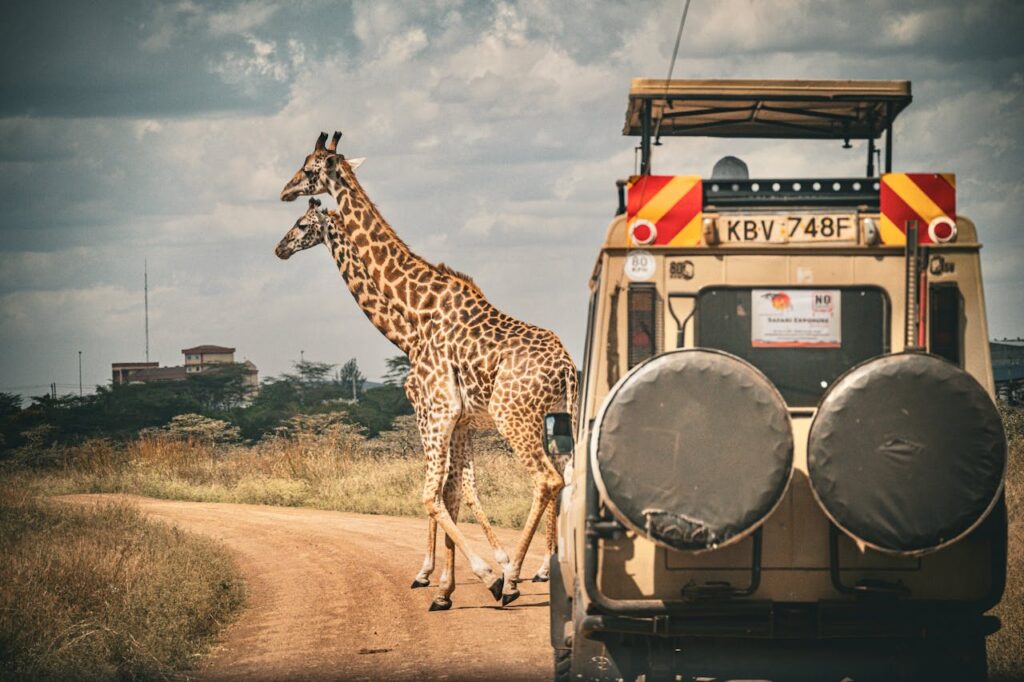
    Karen and Langata for anyone prioritizing proximity to the Giraffe Centre, Sheldrick Trust, and the best restaurants. The Emakoko (on the border of Nairobi National Park) offers one of the most unusual hotel positions in any city on earth. Giraffe Manor is the famous boutique hotel where the resident Rothschild’s giraffes extend their heads through the windows at breakfast — but it books up months in advance and comes at a significant premium.

    Westlands for proximity to nightlife and the city’s social scene. Upper Hill for JKIA convenience and business travel.

    Stay two nights. Walk slowly. Eat in Karen. Wake up early and drive into the park before the city is awake. Come back to this city the way all good travelers treat cities that deserve them: with curiosity, with patience, and with the willingness to stay long enough for it to surprise you.

    Because it will.

    Planning your Nairobi stopover — or thinking about building it into a real city break? Enquire about Kenya’s itinerary here and make sure Nairobi gets the time it deserves.

  • Swept Away in Kenya: What Happens When You Finally Say Yes to Africa

    Swept Away in Kenya: What Happens When You Finally Say Yes to Africa

    Every person who sets foot in Kenya experiences a moment where time stops. Specifically, imagine sitting in an open-sided Land Cruiser at dawn. The savanna appears painted in gold in every direction. Suddenly, a lioness emerges from the tall grass nearby. She glances at you, unbothered, and disappears into the morning mist. Indeed, you realize that no screen or magazine prepared you for this.

    That is the magic of Kenya.

    Notably, over 2.39 million international visitors arrived here in 2024 alone. This figure represents a 14.6% jump from the previous year. Furthermore, the majority of these travelers seek wildlife. Some come to feel the earth tremble under thundering wildebeest. Others arrive to track leopards at dusk or watch elephants bathe. Many hope to fall asleep in tented camps listening to hippos. Ultimately, they visit because no documentary captures the feeling of simply being there.

    This is your complete Kenya safari guide 2026. Perhaps you are planning your first trip or your fifth. Regardless, you might travel as a couple, a family, or a solo explorer. This guide walks you through every essential detail. Therefore, you will learn where to go and what to expect. Hence, you can maximize your journey to this great wildlife destination.

    Why Kenya? And Why Now?

    Let’s be honest: there is no shortage of safari destinations on this continent. Tanzania’s Serengeti is extraordinary. Botswana’s Okavango Delta is unlike anywhere else on earth. South Africa’s Kruger Park is enormous and deeply rewarding. So why does Kenya continue to lead the conversation?

    The answer, quite simply, is density. Kenya packs an unbelievable variety of ecosystems, wildlife, and cultures into a compact geography. Within a single trip, you can witness the Great Migration. You can then track desert-adapted species in the north. Finally, you can reach white-sand Indian Ocean beaches shortly after landing in Mombasa. This diversity is staggering.

    Kenya was also ranked the world’s friendliest country in Condé Nast Traveller‘s 2025 rankings — and if you’ve been here before, that will come as no surprise at all. There’s a warmth to this country that stays with you long after you’ve left.

    Travel is now easier thanks to a streamlined, visa-free entry policy through the eTA system. Furthermore, flight connectivity from major global hubs has grown significantly. The tourism infrastructure has also matured considerably over the past decade. Combined, these factors create a destination that is more comfortable than ever. You will find the experience more rewarding and accessible than in previous years.

    The time, very simply, is now.

    Understanding Kenya’s Safari Ecosystem

    Before you start booking game drives, it helps to understand what makes Kenya’s wildlife landscape so distinctive. The country is not one ecosystem — it is many, layered on top of each other.

    The Great Rift Valley slices through the country from north to south. This geological wonder creates dramatic escarpments and saline lakes alive with flamingos. It also fosters fertile highland forests. To the south, the rolling grasslands of the Maasai Mara blend seamlessly with Tanzania’s Serengeti. Together, they form the single largest wildlife corridor on the planet.

    The north offers a different landscape altogether. Here, semi-arid scrubland gives way to riverine forests along the Ewaso Ng’iro River. This area hosts species you won’t find anywhere else in Kenya. Finally, the coast presents an entirely different world. Mangroves, marine parks, and ancient coral reefs define this eastern edge.

    This ecological diversity is why Kenya’s wildlife list is so staggering: over 25,000 species of animal life, more than 1,100 bird species, and some of the highest predator densities on earth. It is also why Kenya safari planning requires a little more thought than simply picking a park — the experience you have in Amboseli is profoundly different from the experience you have in Samburu, and both are entirely different from the Maasai Mara.

    The Big Five and Beyond: What You’ll Actually See

    Let’s talk about the wildlife. Specifically, let’s be honest about it — because the phrase “Big Five” has become a checklist that undersells the true richness of what Kenya offers.

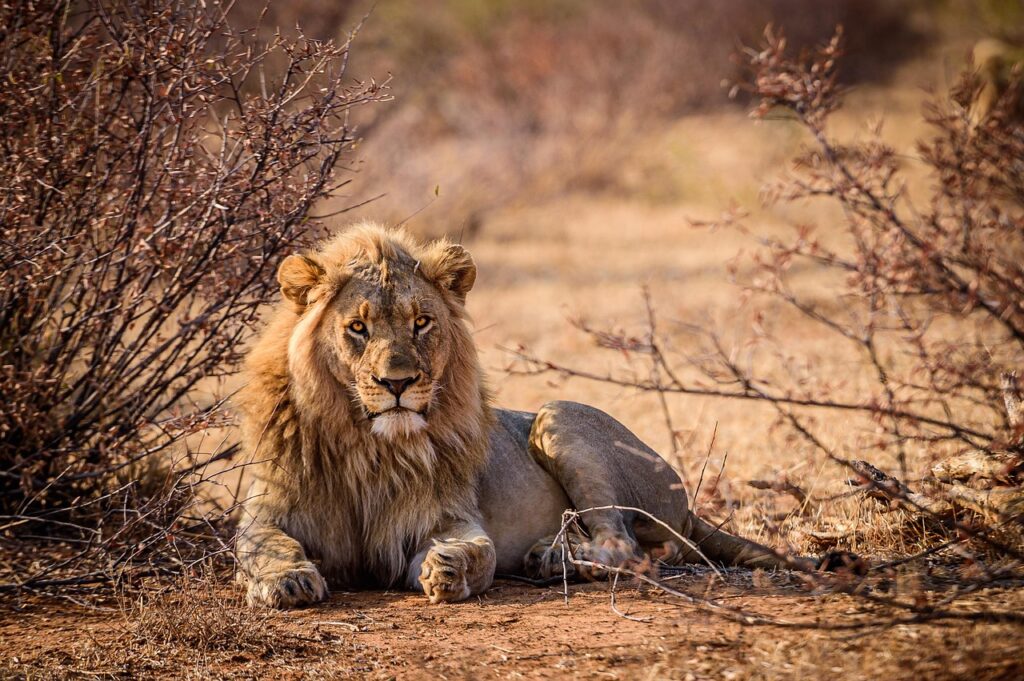
    Lions are perhaps the most reliably spotted of all the big cats, particularly in the Maasai Mara where prides roam open grasslands in full view. Kenya is home to some of the most studied lion populations on earth, and encounters are frequent, prolonged, and deeply intimate.

    Leopards, by contrast, are secretive and largely nocturnal — which makes a sighting all the more thrilling. The riverine forests of the Mara and Samburu are among the best places on the continent to find them draped over an acacia branch in the late afternoon.

    Elephants in Kenya deserve a category of their own. Amboseli is famous for its large-tusked giants — affectionately called “super-tuskers” — and the sight of a matriarch leading her family across a dusty plain with Kilimanjaro rising behind her is one of those images that rewires something inside you permanently.

    Buffalo are often dismissed as the least glamorous of the Big Five, but a herd of Cape buffalo — thousands strong — moving through the Maasai Mara at sunset is genuinely awe-inspiring.

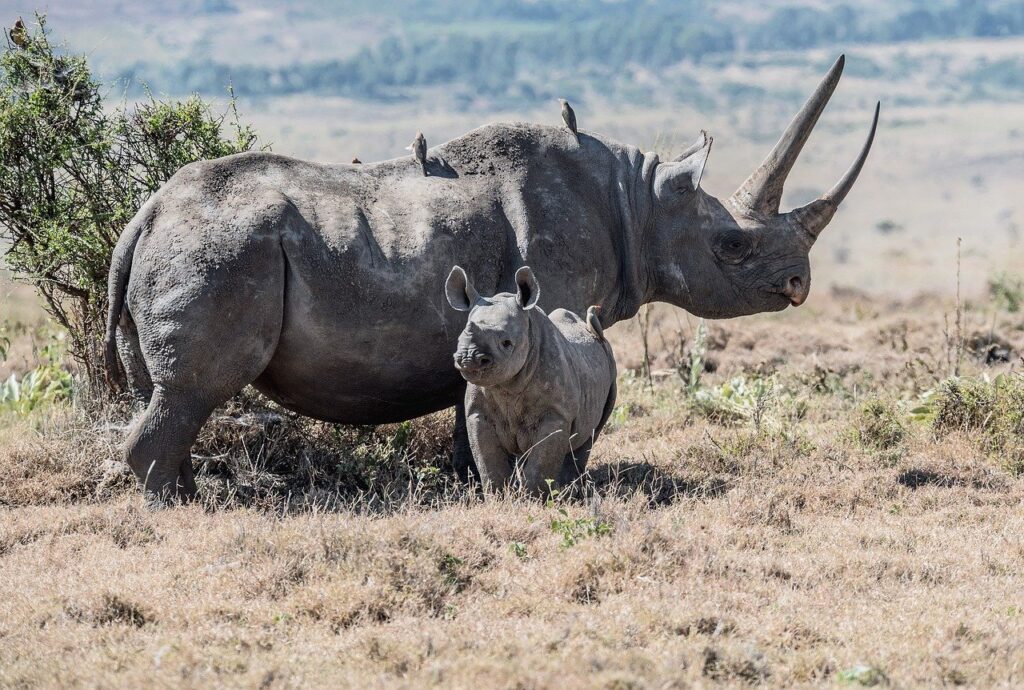
    Rhinos require a specific plan. Kenya’s black rhino population is recovering well, and the best places to find them are Ol Pejeta Conservancy in Laikipia and Lake Nakuru National Park. Ol Pejeta is also home to the last two northern white rhinos on earth — Najin and Fatu — cared for by round-the-clock armed rangers in one of conservation’s most poignant stories.

    Beyond the Big Five, Kenya’s wildlife cast is extraordinary.

    Cheetahs are reliably spotted in the Mara and are now more commonly seen in the conservancies surrounding it.

    African wild dogs — one of the continent’s most endangered carnivores — have been reintroduced successfully at Ol Pejeta.

    Hippos mass in the Mara River in enormous, wallowing herds.

    Grevy’s zebra, the world’s largest and most endangered zebra species, exists in viable numbers only in northern Kenya.

    Gerenuk — the long-necked, impossibly elegant antelope that stands on its hind legs to browse — is a Samburu specialty.

    And then there are the birds. Over 1,100 species. The lilac-breasted roller, impossibly colorful. Secretary birds stalking the grasslands. Martial eagles, massive and regal. Flamingos — sometimes a million of them — turning Lake Bogoria and Lake Nakuru completely, surreally pink.

    The Great Migration: Africa’s Greatest Show

    No Kenya safari guide would be complete without giving the Great Migration the space it deserves.

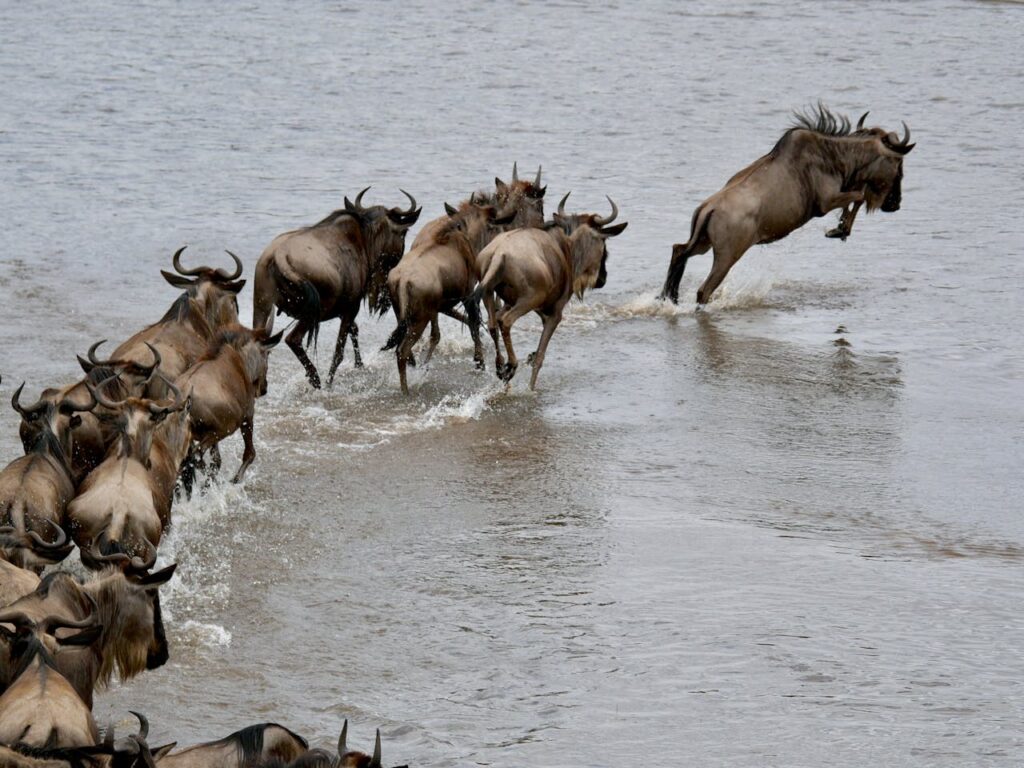
    Every year, driven by rainfall and instinct, approximately 1.5 to 2 million wildebeest, along with hundreds of thousands of zebra and gazelle, execute a clockwise loop through the Serengeti-Mara ecosystem. They follow the grass. They always have. The loop takes them through Tanzania’s Serengeti for much of the year, then northward across the Mara River into Kenya’s Maasai Mara, then back south again as the rains return.

    The Kenyan portion of this migration — roughly July through October — is when the drama reaches its absolute peak. This is when the river crossings happen.

    The Mara River crossings are, without question, some of the most spectacular wildlife events on earth. Thousands of wildebeest crowd the riverbank, hesitating, jostling, panicking. Then one animal commits. The herd follows. They plunge into dark, fast-moving water patrolled by enormous Nile crocodiles — some of the largest in Africa — while lions wait on the far bank. There is chaos, there is beauty, and there is death. It is completely, utterly unforgettable.

    The crossings are not guaranteed on any given day — this is wildlife, not performance — but between July and October, your chances of witnessing one are extremely high with a knowledgeable guide. The best operators know the river crossing points and monitor the herds closely.

    Even outside migration season, the Maasai Mara ranks as Africa’s finest wildlife reserve for sheer predator density. The Mara is good every single month of the year.

    Kenya’s National Parks and Reserves: A Complete Guide

    Maasai Mara National Reserve

    The crown jewel. The Mara is roughly 1,500 square kilometers of open savanna, riverine forest, and rolling hills, and it is managed as a national reserve — meaning Maasai communities are active stakeholders in its management, which matters enormously for both conservation and cultural authenticity.

    Best for: Great Migration, big cats, game drives, hot air balloon safaris, cultural Maasai village visits.

    Best time: Year-round, peaking July–October.

    Insider tip: The private conservancies bordering the Mara — Naboisho, Olare Motorogi, Mara North — offer smaller vehicle numbers, exclusive wildlife, and the ability to do walking safaris and night drives that are not permitted in the reserve itself. If your budget allows, these are transformative.

    Amboseli National Park

    Few images in wildlife photography are more iconic than an elephant herd moving across the dust with the snow-capped summit of Kilimanjaro framed above them. Amboseli delivers this, reliably, and the park’s elephant population is among the most studied and relaxed in Africa — meaning you can spend extended time with herds at genuinely close range.

    Best for: Elephant encounters, Kilimanjaro photography, birdlife (over 600 species recorded), dry-season game viewing.

    Best time: June–October (dry season) and January–February (short dry season).

    Insider tip: Swampy areas fed by underground streams from Kilimanjaro attract vast concentrations of wildlife even in the dry season — position yourself near these areas in the morning.

    Tsavo National Parks (East & West)

    Together, Tsavo East and Tsavo West form the largest protected area in Kenya — and one of the largest in Africa. The park has a wilder, less visited feel than the Mara or Amboseli, which many travelers actively prefer.

    Tsavo East is characterized by vast open plains, red-dust elephants (who roll in the distinctive red laterite soil), the Yatta Plateau, and enormous buffalo herds. The Galana River provides a vital water source and spectacular wildlife viewing.

    Tsavo West is more rugged and scenic, featuring volcanic hills, the extraordinary Mzima Springs (where you can view hippos through an underwater observation chamber), and the Ngulia Rhino Sanctuary.

    Best for: Fewer crowds, red elephant photography, the “classic Africa” feel, combining with a Mombasa or Diani Beach coastal extension.

    Best time: June–October and January–March.

    Samburu National Reserve

    Samburu sits in Kenya’s semi-arid north, and it feels like a different country entirely from the Mara. The landscape is drier, the light is different, the wildlife is different — and the cultural atmosphere, with the Samburu people as the predominant community, is richly distinctive.

    Samburu is the place to see the so-called “Samburu Five”: the Grevy’s zebra, reticulated giraffe, gerenuk, Beisa oryx, and Somali ostrich — all species found in northern Kenya and nowhere else in the country. The Ewaso Ng’iro River attracts large concentrations of elephants, lions, leopards, and crocodiles.

    Best for: Rare northern species, leopard sightings, cultural Samburu experiences, combining with Laikipia or a Kenyan Highlands circuit.

    Best time: July–September (dry season).

    Ol Pejeta Conservancy, Laikipia

    Ol Pejeta is not a national park — it’s a private conservancy, which gives it a completely different character. It’s Kenya’s largest black rhino sanctuary and home to some of the most impressive rhino sightings on the continent. It’s also the only place in the world where you can see chimpanzees in a sanctuary setting alongside African savanna wildlife.

    The conservancy also supports significant populations of African wild dogs, common eland, and the critically endangered Grevy’s zebra.

    Best for: Rhino tracking, night drives (permitted here), walking safaris, chimpanzee encounters, intimate and exclusive safari experience.

    Best time: Year-round. January–March and July–October are especially good.

    Lake Nakuru National Park

    Lake Nakuru sits within the Great Rift Valley at roughly 1,800 meters above sea level — cooler and greener than the lowland parks. It’s a UNESCO World Heritage Site and an Important Bird Area, known historically for staggering flamingo concentrations (water level fluctuations now affect numbers, but the birds remain).

    More predictably, Lake Nakuru is one of Kenya’s most reliable destinations for black and white rhino sightings, and it’s also home to the endangered Rothschild’s giraffe, reintroduced here from populations that had virtually disappeared elsewhere. Tree-climbing lions, Defassa waterbuck, and over 450 bird species complete the picture.

    Best for: Rhinos, flamingos, birding, Rothschild’s giraffes, combining with a Maasai Mara circuit.

    Best time: Year-round.

    Nairobi National Park

    Nairobi National Park
    Nairobi National Park

    This is, by any measure, one of the most remarkable wildlife paradoxes on the planet: a fully functional national park, home to lions, rhinos, giraffes, leopards, and hundreds of bird species — with the Nairobi city skyline visible in the background.

    Nairobi National Park is not a substitute for a proper safari, but it’s a genuinely excellent way to spend a morning on arrival or departure — and it’s often combined with the David Sheldrick Wildlife Trust (elephant orphanage) and the African Fund for Endangered Wildlife Giraffe Centre, both located nearby and both deeply moving conservation experiences.

    Best for: Pre/post-safari wildlife fix, family visits, combining with Sheldrick Elephant Orphanage.

    Best time: Year-round.

    Safari Styles: Finding the Experience That Fits You

    One of the most important — and most overlooked — aspects of Kenya safari planning is matching the style of safari to the kind of traveler you are. Kenya offers an extraordinary range of options.

    Saying Yes to Africa

    Classic game drive safaris in shared 4×4 vehicles are the most common format and remain deeply satisfying. You’re typically out at first light (5:30–6:00 AM is standard), back in camp for breakfast and rest, then out again in the late afternoon as temperatures drop and animals become active again. Evenings often involve a “sundowner” — a drink with a view — before dinner around the fire.

    Luxury lodge safaris elevate every element: private villas with plunge pools, gourmet meals, private game drives with dedicated guides and vehicles, and infinity pools overlooking waterholes. Kenya has some of Africa’s finest luxury properties — names like Angama Mara, Mahali Mzuri, and Beyond Bateleur Camp, and Segera Retreat regularly appear in the world’s top hotel lists.

    Tented camp safaris are the classic East African form — canvas walls, wooden floors, real beds, and the sounds of the wild right outside your tent. The best tented camps combine genuine comfort with authentic immersion. Falling asleep to the call of a hyena or the distant rumble of a lion is an experience no bricks-and-mortar hotel can replicate.

    Mobile camping safaris follow the wildlife rather than being fixed to one location. You move every few days, setting up camp in new locations — an incredibly flexible and adventurous format that’s popular with travellers who want to cover ground and avoid the large permanent camps.

    Walking safaris are available in certain areas (Ol Pejeta, the Laikipia conservancies, and Samburu, among them) and offer a completely different sensory experience from a vehicle. On foot, with a qualified armed ranger, you read the landscape differently — tracks, dung, alarm calls from birds, the wind direction. Everything slows down and sharpens.

    Hot air balloon safaris over the Maasai Mara are genuinely extraordinary — drifting silently at sunrise over the plains, watching game below, before landing for a champagne breakfast in the bush. It is, frankly, one of the most romantic things you can do anywhere on earth.

    When to Go: Seasonal Guide

    July–October (Peak Season): This is the Great Migration period and the absolute best time for wildlife viewing throughout Kenya. Skies are generally clear, grass is shorter (making animals easier to spot), and predator activity peaks. It’s also the busiest and most expensive period — book well in advance.

    January–March (Short Dry Season): An excellent alternative peak. The migration has returned to Tanzania, but resident wildlife populations are concentrated around water sources, predator activity remains high, and the landscape is green and lush without the heavy rains. Fewer tourists than in July and October, and generally more competitive pricing.

    April–June (Long Rains): Kenya’s low season. Parks are quieter, prices drop considerably, and the landscape transforms into extraordinary verdant green. This is genuinely a fantastic time for photographers who prefer soft light and dramatic skies. Some roads become difficult and certain lodges close — but those that remain open often offer exceptional value.

    November–December (Short Rains): Similar to the long rains but shorter and less predictable. Good birdwatching as migratory species arrive. Another period of relative quiet and competitive rates.

    Practical Kenya Safari Planning: What You Need to Know

    Getting There: Jomo Kenyatta International Airport (NBO) in Nairobi is the main international gateway, with direct connections from London, Amsterdam, Paris, Dubai, Doha, Abu Dhabi, Mumbai, and multiple African cities. Kenya Airways, British Airways, KLM, Air France, Emirates, Qatar Airways, and Etihad all serve Nairobi. Moi International Airport in Mombasa serves direct flights from Europe during peak season.

    Getting Around: Internal charter flights are the most practical way to move between safari destinations. Flying from Nairobi to the Maasai Mara takes approximately 45 minutes; from Nairobi to Samburu, around an hour. Road transfers are available but can be long — the drive from Nairobi to the Mara is approximately 5–6 hours on roads that range from tarmac to corrugated murram. Many itineraries fly in and drive out or vice versa.

    Visas and Entry: Kenya operates an Electronic Travel Authorization (eTA) system, replacing the previous visa regime. Applications are made online before travel and are straightforward for most nationalities. Check the DHS Kenya portal for the latest passport requirements.

    Health: Yellow fever vaccination is recommended (and required if arriving from certain countries). Malaria prophylaxis is advised for all safari areas — consult your GP or a travel health clinic. Comprehensive travel insurance covering medical evacuation is non-negotiable in Kenya.

    Currency and Money: The Kenyan Shilling (KES) is the local currency, though most safari lodges, conservancy fees, and park fees are priced and payable in US Dollars. Card payments are widely accepted in Nairobi and at major lodges; cash is useful in smaller towns. Kenya Wildlife Service (KWS) park fees are paid via the M-PESA-linked eCitizen platform.

    What to Pack: Neutral tones (khaki, olive, brown, grey) for game drives — avoid bright colors and black or blue, which attract tsetse flies. Layers are essential as mornings and evenings in Kenya can be surprisingly cold, particularly at altitude. A good pair of binoculars will transform your experience. Sun protection, insect repellent, and a quality camera are essential.

    The Cultural Dimension: Beyond the Wildlife

    To experience Kenya only through its wildlife is to miss half the story.

    The Maasai remain one of the most recognizable and culturally vibrant peoples in East Africa — and their relationship with wildlife and land is profound and ancient. A visit to a Maasai manyatta (village) is not merely a tourist add-on; it’s a genuine encounter with a people who have coexisted with lions and elephants for generations. The best cultural visits are those run by communities themselves, where income flows directly to families.

    The Samburu of northern Kenya have their own rich traditions, distinct from the Maasai, shaped by the drier, more demanding landscape they inhabit. Several lodges in Samburu offer genuine cultural programming rather than performative displays.

    And then there is Nairobi — increasingly cosmopolitan, creative, and fascinating in its own right. The city’s restaurant scene, particularly around Westlands and Karen, has evolved dramatically over the past decade. The Karen Blixen Museum, set in the colonial farmhouse immortalized in Out of Africa, offers a poignant lens on Kenya’s complex colonial history. The Kazuri Bead workshops employ single mothers and produce some of the continent’s finest handmade beads. Nairobi, in 2026, is worth a day or two of anyone’s time.

    Kenya vs. Tanzania: Which Safari Destination Is Right for You?

    Top 10 Safari Destinations in Kenya: Where to Go for the Ultimate Adventure

    This question comes up endlessly, and the honest answer is: both are extraordinary, and the choice depends on what you value.

    Tanzania’s Serengeti offers a larger, wilder, less developed experience — the Serengeti is genuinely enormous, and the southern migration circuit (calving season, January–March) is spectacular. Tanzania also offers the Ngorongoro Crater and the Selous/Nyerere ecosystem.

    Kenya offers more concentrated wildlife viewing in smaller areas, better infrastructure and flight connectivity, shorter travel times between parks, a richer cultural dimension (particularly through the Maasai), and the combination of a world-class safari with one of the world’s best beach destinations at the coast.

    Many first-time African travelers do both — a split Tanzania–Kenya itinerary following the migration is one of the great classic African journeys.

    How to Book Your Kenya Safari

    There is an overwhelming amount of information online about Kenya safaris — and an equally overwhelming number of operators. The difference between a mediocre safari and a transformative one often comes down to the expertise of the people who plan it and the guides who lead it.

    Whether you want to witness the Great Migration, track rhinos on foot in Laikipia, watch elephants at Amboseli with Kilimanjaro at sunrise, or combine all of the above with a few days unwinding on Diani Beach, these agencies build the itinerary that makes it happen.

    The most important step you’ll take is the first one: saying yes.

    Ready to plan the safari you’ve been putting off? Check out some of the best lodges you can visit in Kenya — no obligation, just the beginning of something extraordinary.