Category: Safari & Wildlife

Kenya’s iconic national parks, game reserves, and wildlife conservancies. Covers Maasai Mara, Amboseli, Tsavo, Samburu, Ol Pejeta, and Aberdare. The cornerstone of Kenya’s travel offering.

  • Amboseli’s Elephants Walk Toward Kilimanjaro and You Will Cry

    Amboseli’s Elephants Walk Toward Kilimanjaro and You Will Cry

    Nobody warns you that it will be the silence that does it.

    You have seen photographs. Ofcourse you know what Amboseli is supposed to look like — the elephants, the mountain, the golden plains. You have the image in your head. It is one of the most reproduced wildlife photographs in Africa, so familiar it has become almost a cliché. You think you know what to expect.

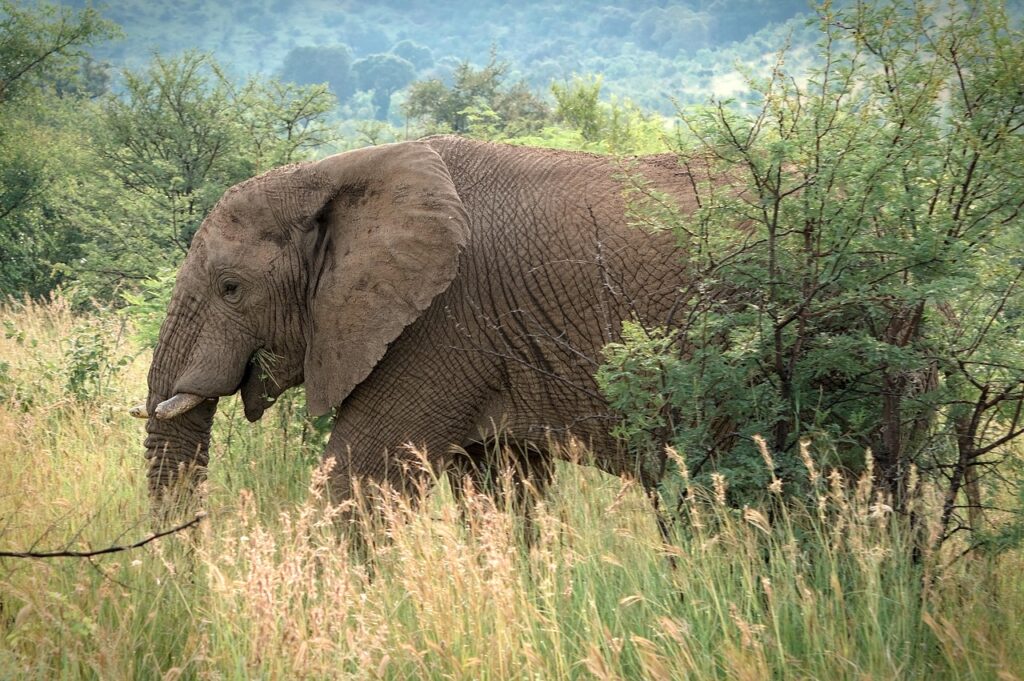
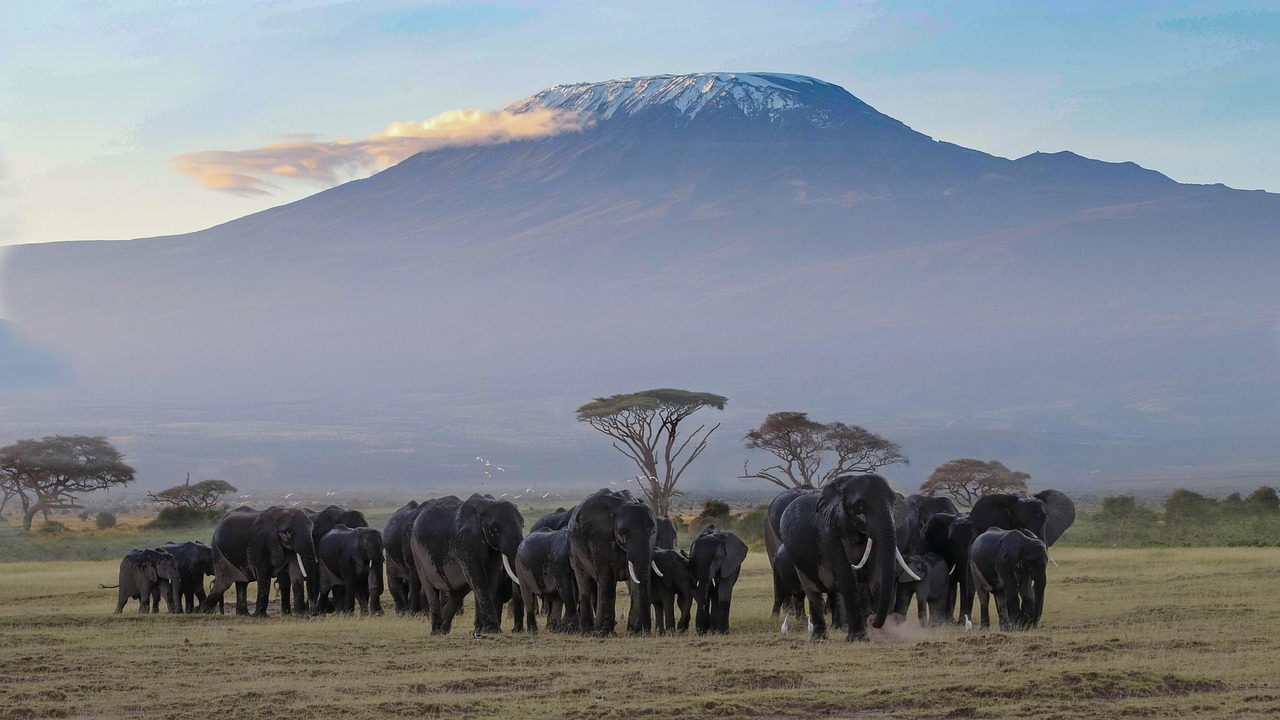
    Then you are actually there. You sit in an open vehicle as morning light floods the plain. Suddenly, a matriarch emerges from the Enkongo Narok swamp. Her family follows close behind her. Calves press against their mothers’ flanks. Meanwhile, adolescents push at the edges with the restlessness of teenagers.

    These animals are enormous and unhurried. They seem completely indifferent to your presence. Beyond them, Kilimanjaro fills half the southern sky. Photographs never quite convey this scale. The mountain rises white and permanent from the plains. Now, its glaciers catch the first light of the morning.

    Something happens to people at this moment. You will see it inside the vehicle. Suddenly, other guests fall quiet. They reach reflexively for their cameras. Then, they put them down again. Instead, they choose to simply look. In this way, the silence of the Mara takes over.

    The images end up fine. The moment itself is better.

    Ultimately, this is Amboseli National Park. It is a place where the largest land animals on earth walk daily. Specifically, they travel across one of Africa’s most extraordinary landscapes. Furthermore, the highest mountain on the continent provides a stunning backdrop.

    In fact, dedicated researchers observe these herds every day. These experts have known the individual elephants and their families for over fifty years. Consequently, the park offers a deep look into elephant society. Indeed, Amboseli is one of the great wildlife destinations on the planet by any measure. Therefore, every safari enthusiast should prioritize a visit to this iconic location.

    What Amboseli Actually Is
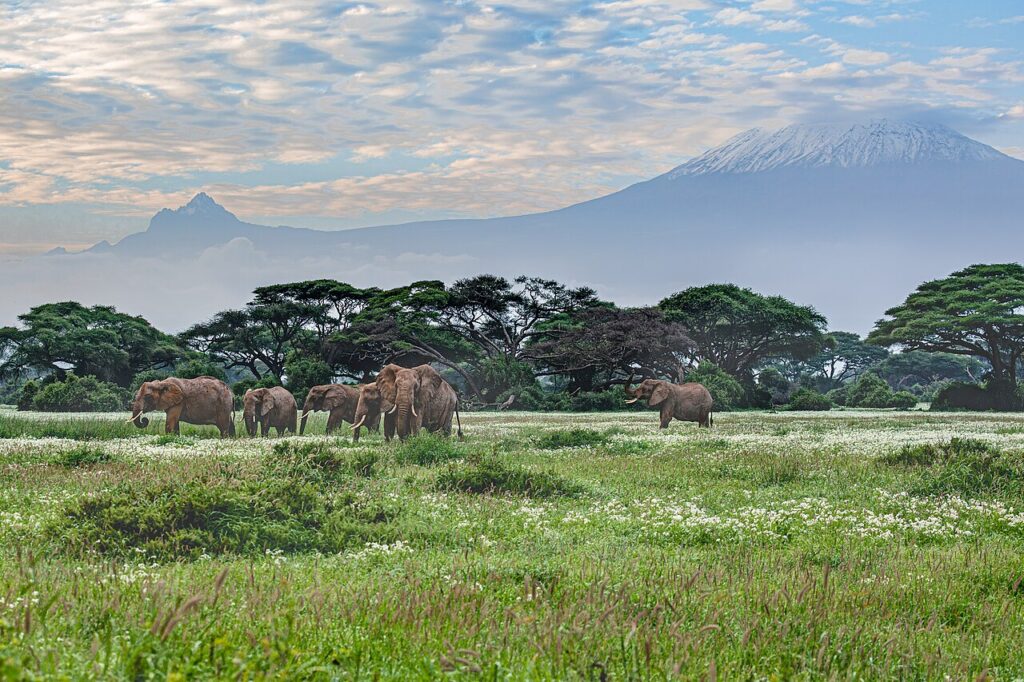
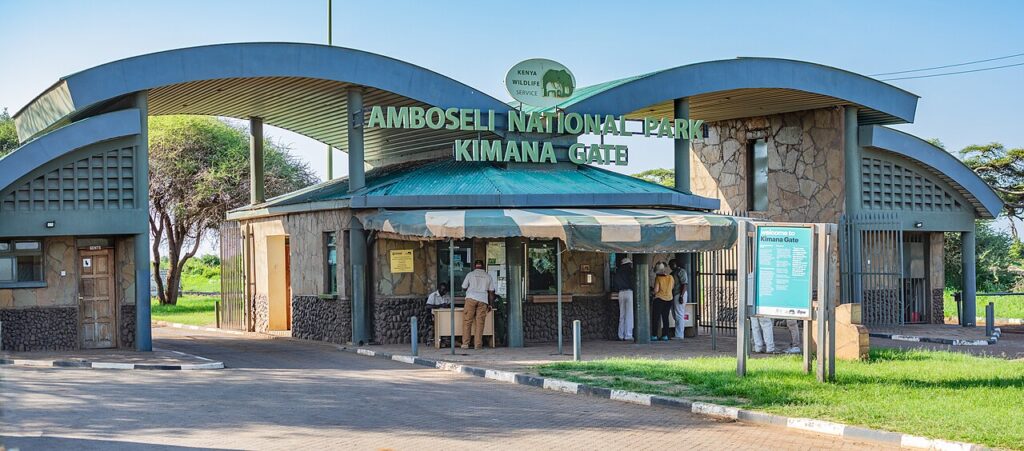
    Amboseli covers roughly 392 square kilometers in southern Kenya. Specifically, it sits within Kajiado County along the Tanzanian border. There, Kilimanjaro looms directly over the park’s southern boundary. The name comes from the Maa word for “salty dust place.”

    Indeed, this is an accurate description of the central basin. A pale, alkaline lake bed occupies much of the park. Originally, this area was part of a massive Pleistocene lake. Today, that ancient water source has left behind a unique and dusty valley.

    It is a compact park by Kenyan standards. The Maasai Mara is three times the size; Tsavo’s two parks together are more than twenty times larger. But Amboseli’s compactness is one of its strengths: the park’s open topography — flat, semi-arid plains with scattered acacia woodland, dominated by permanent swamps in the south and centre — means visibility is extraordinary. There are no dense forests to lose animals in, no thick bush to frustrate sightings. On the open Amboseli plain, what you’re looking for is almost always visible.

    The park’s survival depends on a remarkable hydrological connection with Kilimanjaro itself. Underground aquifers recharged by the mountain’s melting glaciers and rainfall feed a series of permanent swamps — Enkongo Narok and Longinye being the most significant — that remain water-filled even during the most severe droughts. These swamps are the beating heart of the Amboseli ecosystem: lush, green, papyrus-fringed oases in the middle of a landscape that in the dry season looks like the surface of another planet. Every animal in Amboseli depends on them. The elephants are drawn to them daily. And the vision of elephants wading through green swamp water with Kilimanjaro reflected behind them is the defining image of the place.

    The Elephants: The Whole Story
    Amboseli’s elephants are unlike elephants almost anywhere else in Africa, and the reason is scientific.

    Since 1972, Cynthia Moss and the Amboseli Elephant Research Project (AERP) — now the Amboseli Trust for Elephants — have conducted one of the longest-running longitudinal wildlife studies in history. Researchers here have named and studied every single elephant family across multiple generations. In fact, these experts recognize individual elephants on sight. They know their histories by heart and have mapped every complex family connection. Because of this, the park feels less like a wilderness and more like an epic, multi-generational saga. Ultimately, you are not just watching animals; you are watching a well-documented history unfold. This continuous, multigenerational observation has produced some of the most significant discoveries in elephant science — complex social structures, long-term memory, sophisticated acoustic communication, grief and mourning behaviors, and a depth of intelligence that has permanently shifted global understanding of these animals.

    This level of habituation offers visitors an extraordinary experience. Specifically, researchers have observed these elephants closely for over fifty years. Because of this respectful history, the herds are remarkably calm. They are not tamed or performing. Instead, they are simply accustomed to quiet vehicles.

    Consequently, you can enjoy sightings of extraordinary intimacy. For example, you might watch calves learning to use their trunks. Elsewhere, matriarchs discipline restless adolescents. Meanwhile, bulls in musth move through the herds with total authority. Ultimately, their proximity allows you to witness the true soul of the elephant.

    The park protects some of Africa’s last true “super-tuskers.” These bulls carry ivory so long it actually drags along the ground. Amazingly, they still carry genetics that survived the brutal poaching waves of the 1970s. These individuals are Amboseli royalty.

    An encounter with one stays with you forever. They move with a massive, deliberate grace that suggests genuine ownership of the land. Simply put, watching a super-tusker walk toward Kilimanjaro is a moment that never leaves you.

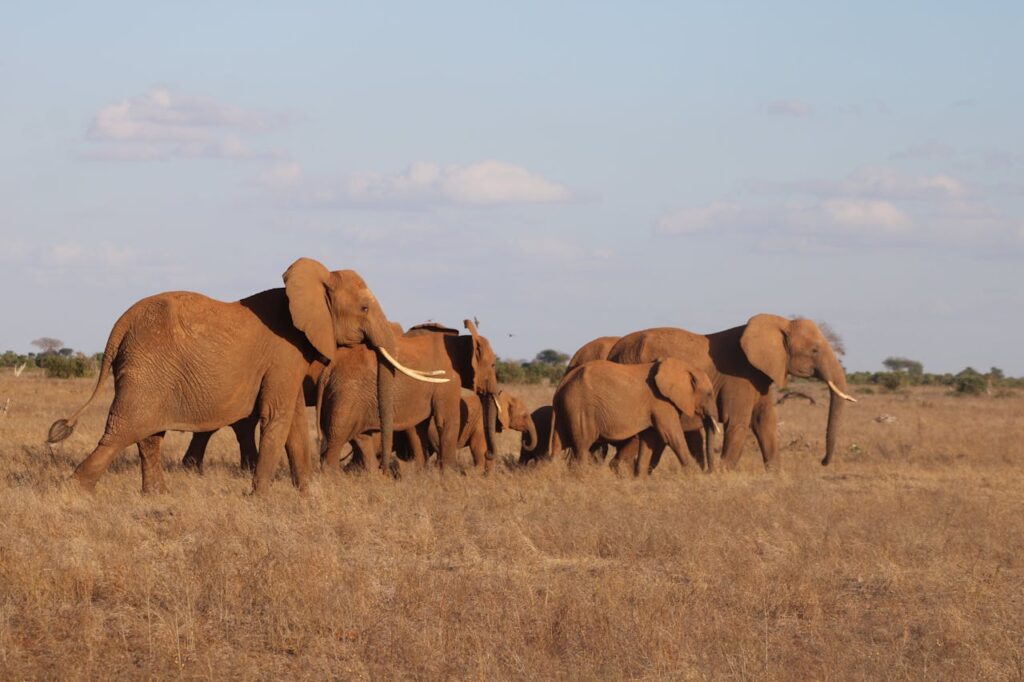
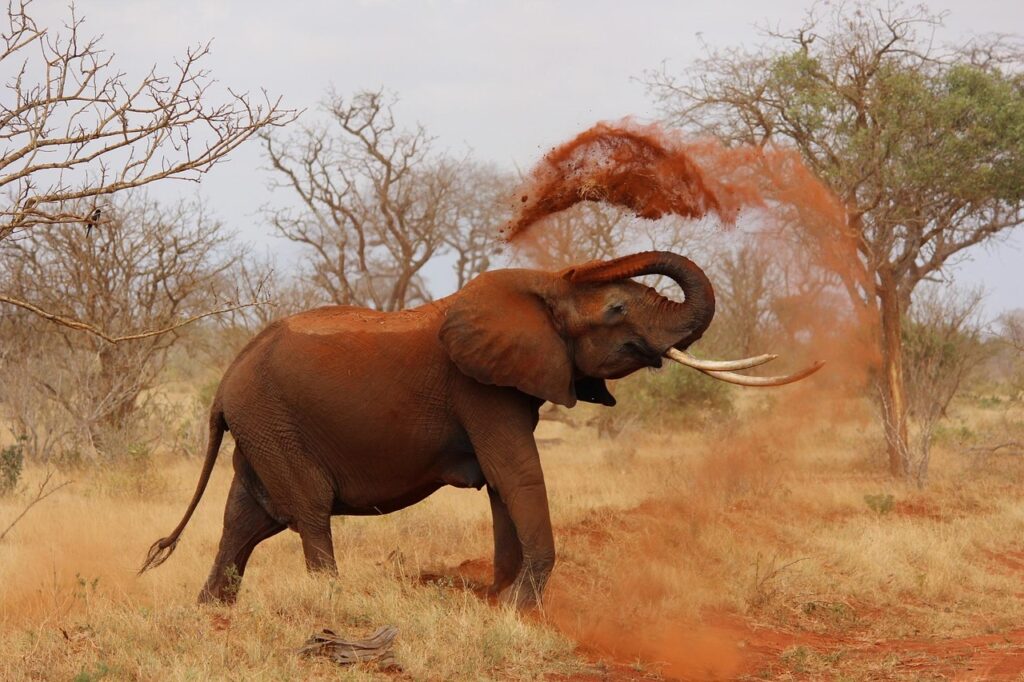
    Amboseli’s elephants also display one of the most iconic visual phenomena in African wildlife: the “red elephants.” The park’s iron-rich volcanic soil stains their skin a deep ochre-red when they dust-bathe and roll in it, a natural behavior that protects them from sun and insects. A herd of Amboseli elephants at midday, dust-bathed in red soil against the pale plain, is a different and equally striking vision from the classic morning swamp silhouette.

    The Daily Rhythm of the Herds

    Amboseli’s elephants follow a predictable daily pattern shaped by survival, and understanding it means you’re always in the right place.

    Early morning (6:00–9:00 AM): Family groups graze on the open northern and eastern plains, spreading out as temperatures remain cool. This is the golden hour for elephant photography — the animals spread across the plain, the light is warm and low, and Kilimanjaro (still cold from the night, often cloud-free at this hour) fills the southern sky. This is the classic Amboseli moment. Be in position by 6:30 AM.

    Midday (10:00 AM–3:00 PM): Heat drives the herds south and into the swamps. Elephants wade, drink, bathe, and rest in the shade of the papyrus margins. This is spectacular in its own way — large numbers of elephants concentrated in the swamp water, calves splashing, adults rolling — but less photogenic than the open-plain morning.

    Late afternoon (4:00–6:30 PM): The herds emerge from the swamps and move back north, crossing the open plain in the extraordinary late light. This is the other prime photography window — backlighting turns the dust raised by their feet into gold, and the mountain, often clearer again after the afternoon clouds have dispersed, completes the scene.

    The secret: Hire the best possible guide — ideally one with AERP connections or a personal history with the elephant families — and follow their intelligence on which herds are where that morning.

    Beyond the Elephants: What Else Lives in Amboseli
    The instinct to reduce Amboseli to “the elephant park” undersells it considerably.

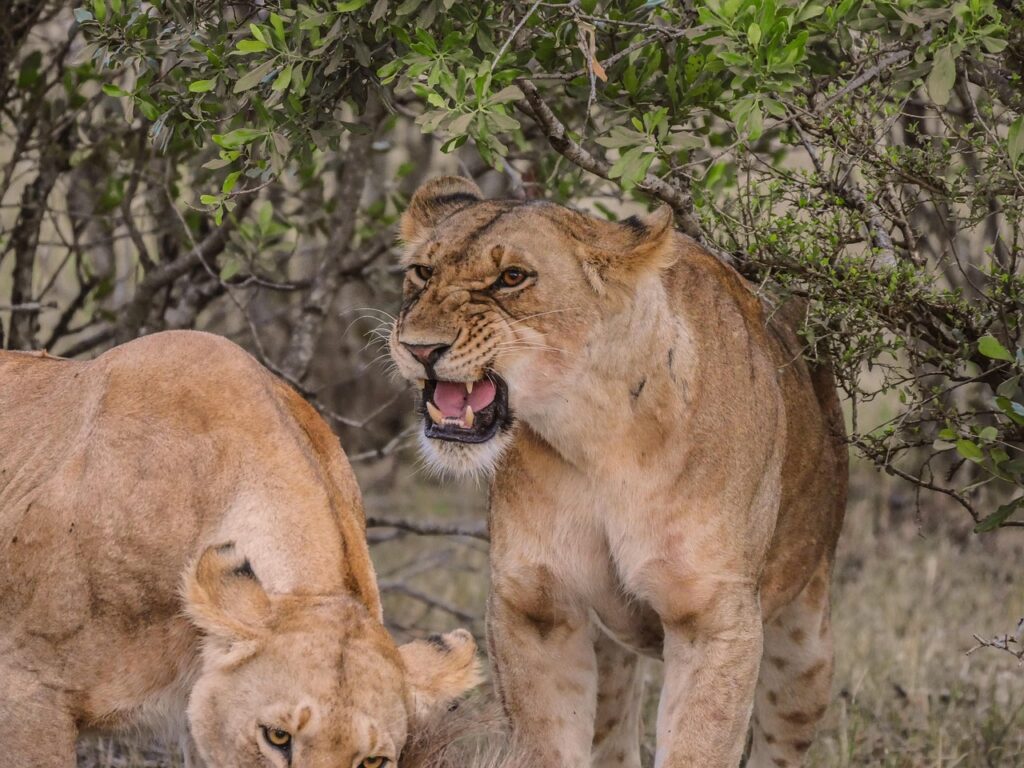
    Big Cats: Lions are present year-round, typically patrolling the swamp edges where prey concentrates. Cheetahs hunt the open plains — Amboseli’s flat, sparsely vegetated terrain makes cheetah sightings particularly clear and sustained. Leopards exist in smaller numbers, more secretive in the woodland fringes.

    Other Megafauna: Cape buffalo in large herds. Hippos in the swamps alongside the elephants, visible at relatively close range. Masai giraffe. Zebra and wildebeest. Warthog families trotting across the plain with tails erect. The ecological cast is as rich as any major Kenyan park.

    Observation Hill: Observation Hill sits a short walk from the main park road. Notably, it offers the only chance to step out of your vehicle. You can climb to a viewpoint for a full 360-degree panorama. From there, you see the swamps to the south and plains to the north. Meanwhile, Kilimanjaro dominates the entire horizon.

    Suddenly, the scale of the ecosystem becomes comprehensible in a single glance. Therefore, every visitor should make the climb. In fact, the experience only takes about twenty minutes. Ultimately, this stop provides the best perspective of the park.
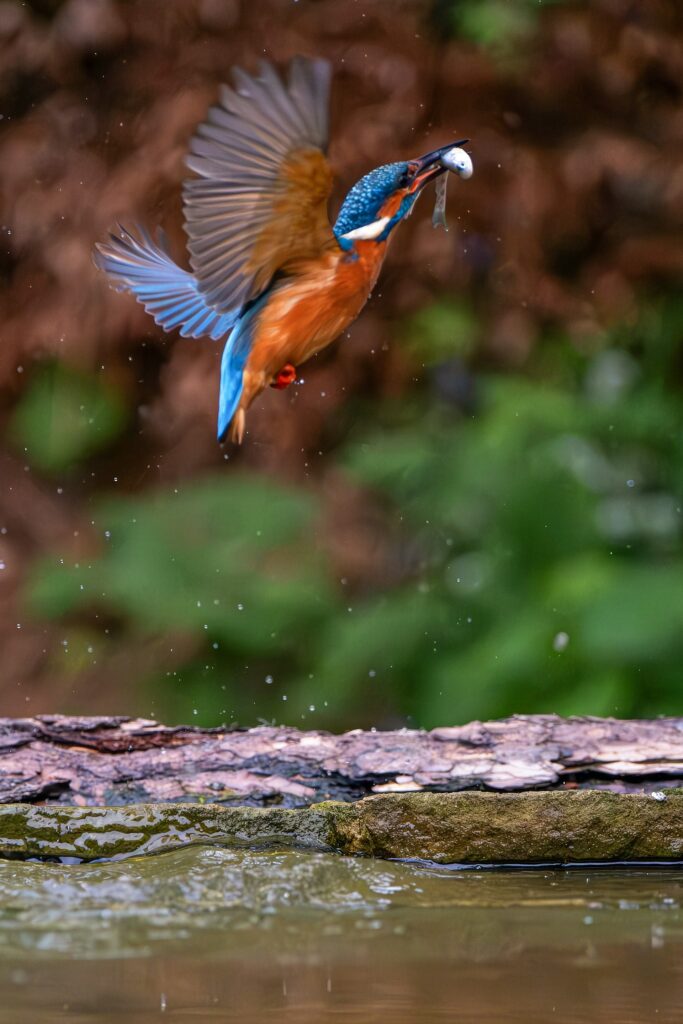
    Birdlife: Over 420 species recorded — one of Kenya’s highest bird counts for a park of this size. The swamps are particularly productive: African fish eagle, grey-crowned crane, great white pelican, malachite kingfisher, saddle-billed stork, Egyptian goose, and dozens of heron and egret species. During the wet season, migratory waders arrive in substantial numbers. Serious birders come to Amboseli specifically and leave entirely satisfied.

    The Maasai Dimension: Culture and Conservation

    Amboseli does not exist in isolation from the people who have lived alongside its wildlife for centuries.

    The Maasai community has coexisted with Amboseli’s wildlife across generations, and their role in the park’s conservation is not peripheral — it is foundational. Much of the land surrounding the national park is Maasai communal land (group ranches), and the Maasai’s historical tradition of not killing wildlife (their cultural identity and wealth is bound up in cattle, not wild game) provided critical protection during the decades when the park was most vulnerable.

    Currently, the park and Maasai communities manage their relationship through formal conservancy agreements. These revenue-sharing structures ensure that tourism supports local people directly. For instance, when you stay at lodges on the park’s edges, a portion of your cost flows to community funds.

    Similarly, the income stays local when you visit a Maasai village. Your itinerary choices provide a direct economic benefit to the traditional landowners. Ultimately, this partnership helps protect both the wildlife and the local way of life.

    A Maasai village visit in the Amboseli ecosystem — not a staged tourism performance but an actual community interaction — is one of the more authentic cultural experiences available in Kenya. The village manyatta (homestead), constructed from mud, dung, and sticks by the women of the family in a design unchanged for centuries, tells you something about human ingenuity and adaptation to harsh conditions that no amount of reading can convey. The cattle, central to Maasai identity and wealth, are present, real, attended to with the attention you’d give something your entire life depends on.

    Amboseli vs. the Maasai Mara: The Honest Comparison
    This question comes up constantly, and it deserves a direct answer.

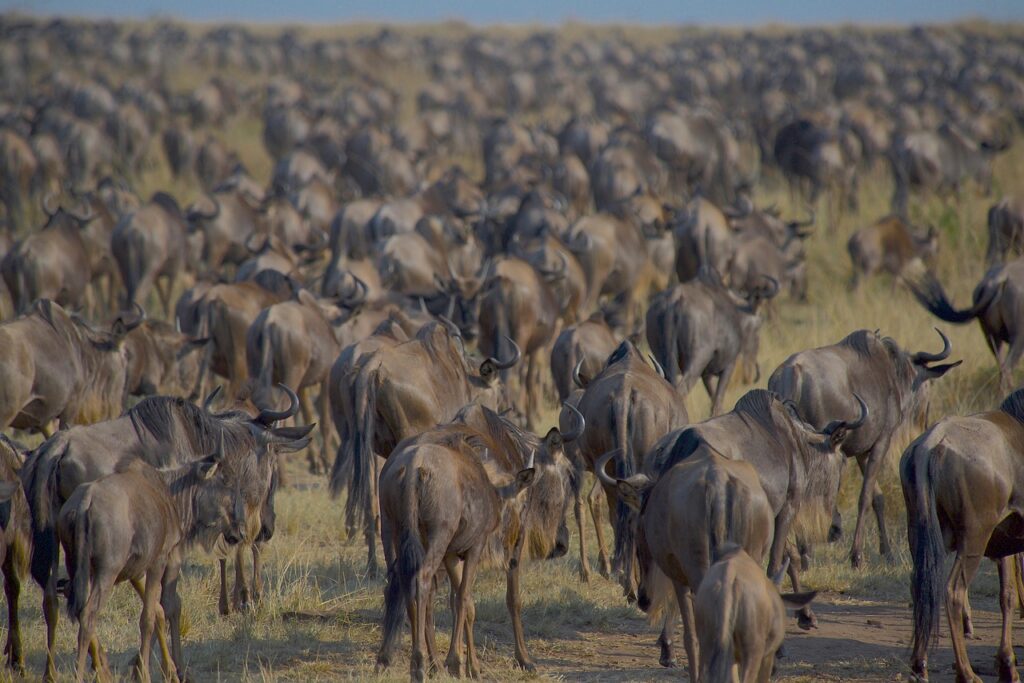
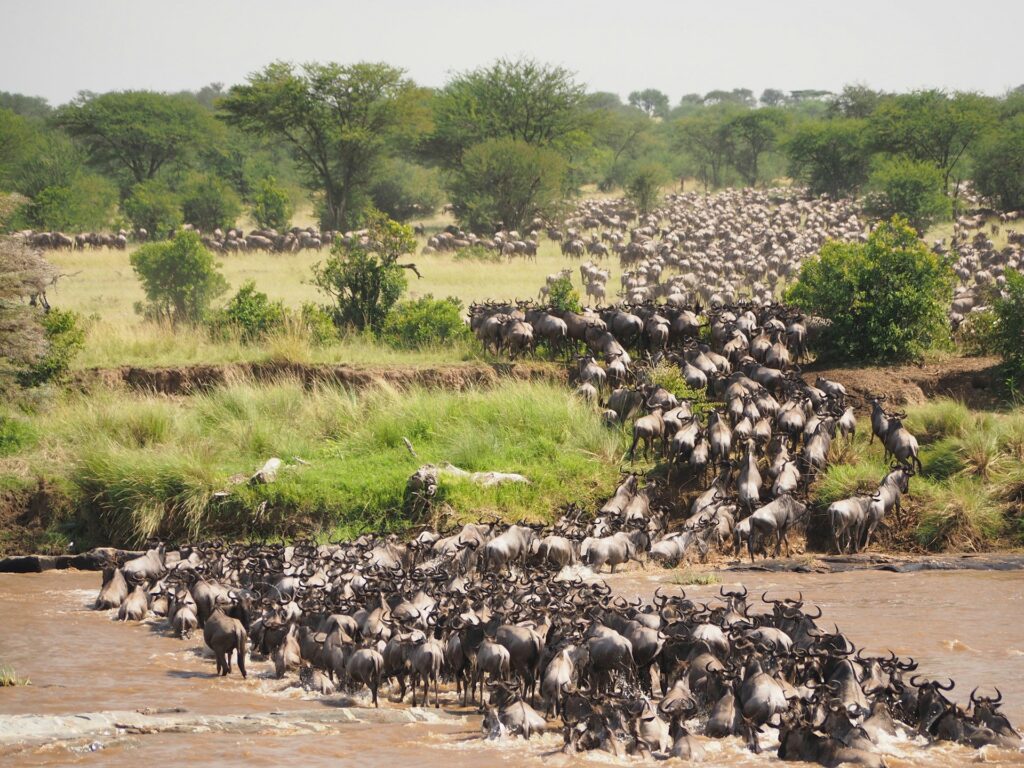
    The Maasai Mara is the better park for overall wildlife diversity and predator density. The Mara hosts more lions, has a larger cheetah population visible more frequently, and during the Great Migration (July–October) provides wildlife spectacle on a scale that nothing in Africa rivals. If this is your one safari and you want to see the most possible wildlife in the most dramatic concentrations, go to the Mara.

    Amboseli is the better park for elephants, for Kilimanjaro photography, and for a more intimate, focused experience. If elephants are your primary passion — if you want to spend time with individuals whose family histories are documented across fifty years, whose behaviors have been studied in extraordinary depth, and whose encounters are genuinely close and sustained — Amboseli is unmatched. If the specific image of large elephants in front of Kilimanjaro is important to you (and for many visitors, it is the primary reason they come to Kenya), Amboseli is the only place in the world where that image is real.

    The very best Kenya itineraries include both. Mara for the migration and the cats, Amboseli for the elephants and the mountain. They are two hours apart by charter flight and are the complementary pillars of Kenya’s safari offering.

    Amboseli in Season: When to Go
    Dry Season (June–October and January–February): The best windows for wildlife viewing, by a considerable margin. Vegetation is sparse, animals concentrate around the permanent swamps, and Kilimanjaro is most likely to be cloud-free in the mornings. The dry season in Amboseli is when the classic images are made.

    Wet Season (March–May and November–December): The plains transform. After the first rains, the landscape goes from pale brown to vivid green in a matter of days. Elephant numbers disperse across a wider area as water becomes more abundant, making concentrations harder to find — but the individual sightings, against a lush green backdrop, are visually extraordinary. Birding reaches its peak. Prices drop, and the park is significantly quieter. A wet season Amboseli visit has a completely different character from the dry, and travellers who have done both often express deep affection for the green season.

    The cloud question: Kilimanjaro is typically clearest in the mornings of the dry season — particularly January–March. By late morning, cloud often forms around the upper mountain and can conceal it entirely. This is not a reason not to visit, but it is a reason to be at Observation Hill at first light rather than after breakfast.

    Where to Stay in Amboseli

    Amboseli’s accommodation has matured significantly in recent years, and the best lodges are genuinely excellent. Here is the honest guide:

    Tortilis Camp: The benchmark luxury tented camp in Amboseli, set in a shady acacia grove with seventeen tents, each positioned for maximum privacy. The views of Kilimanjaro from the camp are exceptional, the guiding is superb, and the overall experience is intimate in a way that the larger lodge properties cannot match. The dining, served al fresco beneath acacia trees with the plains spread around you, is some of the best camp food in Kenya.

    Ol Tukai Lodge: Positioned inside the national park in a grove of yellow fever trees, Ol Tukai is famous for the fact that wildlife — including elephants — regularly wanders through the grounds. Eighty chalet-style rooms with private verandas facing the mountain. The combination of in-park location (earlier access to game drives), reliable elephant encounters within the grounds, and solid service makes this a consistently excellent choice.

    Amboseli Serena Safari Lodge: The largest option inside the park, built in a Maasai-inspired architectural style with a central swimming pool, cultural performances, and a central location that gives excellent access to all areas. Particularly good for families and for those who want the full lodge experience with multiple amenities.

    Tortilis Camp’s smaller-group rival: Tawi Lodge, on a private conservancy bordering the park, offers a more exclusive and eco-conscious experience with personalized guiding, bush spa treatments, and an outstanding position.

    Angama Amboseli: The newest headline property, built in the tradition of Angama Mara in the Maasai Mara. Boutique, beautifully designed, with exceptional wildlife access and the house style — warm, personal, deeply knowledgeable — that has made the Angama brand one of Kenya’s most celebrated.

    Getting to Amboseli
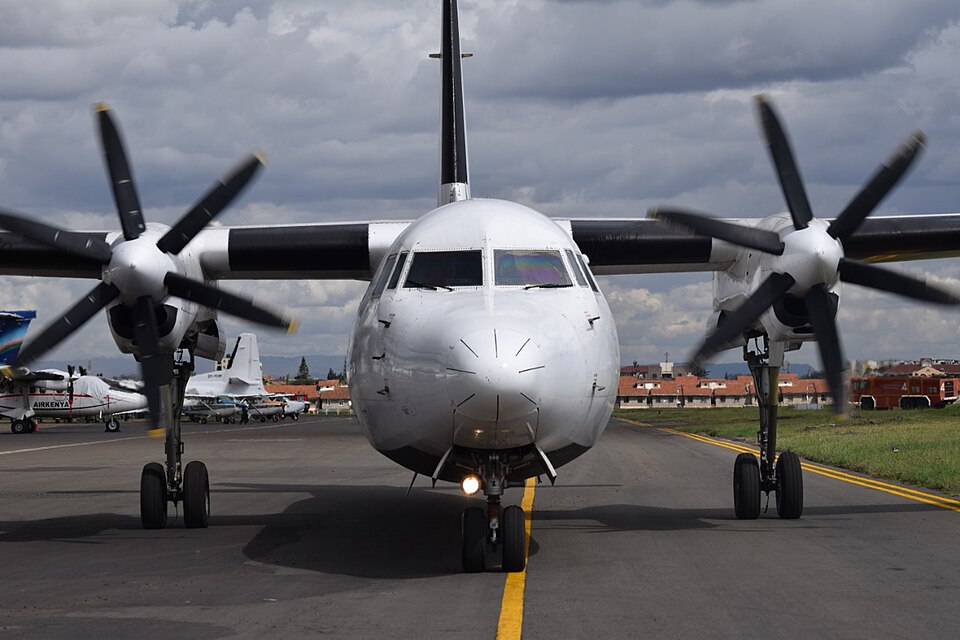
    By air: The fastest option. Scheduled and charter flights operate from Wilson Airport in Nairobi to Amboseli Airstrip, taking approximately 40–45 minutes. This is the recommended approach for travelers with limited time or those coming directly from a Maasai Mara safari. The aerial views of Kilimanjaro on approach are, on a clear day, themselves a highlight.

    By road: Approximately 240 kilometers from Nairobi, taking 4–5 hours by road (via the Namanga route or the Mombasa Road turning at Emali). The road journey is scenic and practical for self-driving visitors or those on road safari circuits that combine Amboseli with Tsavo or the Chyulu Hills. A 4×4 vehicle is required for navigating the park’s internal tracks.

    The Conservation Story: Why Amboseli Matters Beyond Tourism

    Amboseli is not merely a beautiful place to visit. It is one of the most significant sites in global elephant conservation — and the work being done here has implications that extend far beyond Kenya’s borders.

    The Amboseli Trust for Elephants, founded by Cynthia Moss, has since 1972 accumulated a database of individual elephant life histories that is without parallel anywhere in the world. Researchers can trace family groups across three and sometimes four generations — grandmothers, mothers, daughters, and granddaughters whose stories are known in the kind of detail normally reserved for human biographies. This research has proven elephant intelligence, emotional capacity, and complex social organization in ways that were not scientifically established before Amboseli.

    The discoveries have been profound. Elephants recognize themselves in mirrors — one of the few animal species that does. They mourn their dead, returning repeatedly to the bones of deceased family members and touching them with their feet and trunks in behaviors that appear indistinguishable from grief. They communicate via very low frequency infrasound across distances of several kilometers — an entire acoustic dimension of their social life that humans cannot hear without specialist equipment. Matriarchs pass knowledge of historical drought refuges and water sources to younger generations, knowledge that keeps families alive during severe climate events. All of this was discovered or confirmed in Amboseli.

    The park also sits at the center of critical debates about elephant migration corridors. Amboseli’s elephants historically ranged across a far wider territory — into Tsavo to the east, through the Chyulu Hills, and south into Tanzania’s Kilimanjaro ecosystem. These corridors are increasingly fragmented by agricultural expansion and human settlement. The work of identifying, protecting, and sometimes negotiating safe passage for these movement routes is a daily challenge for Amboseli’s conservation community, and it is work that directly determines whether large-scale elephant conservation in southern Kenya remains viable.

    When you visit Amboseli, you are not simply a consumer of wildlife tourism. A portion of your park fees, your lodge rates, and the conservancy fees embedded in your safari costs fund this work directly.

    For Photographers: Making the Most of Amboseli’s Light
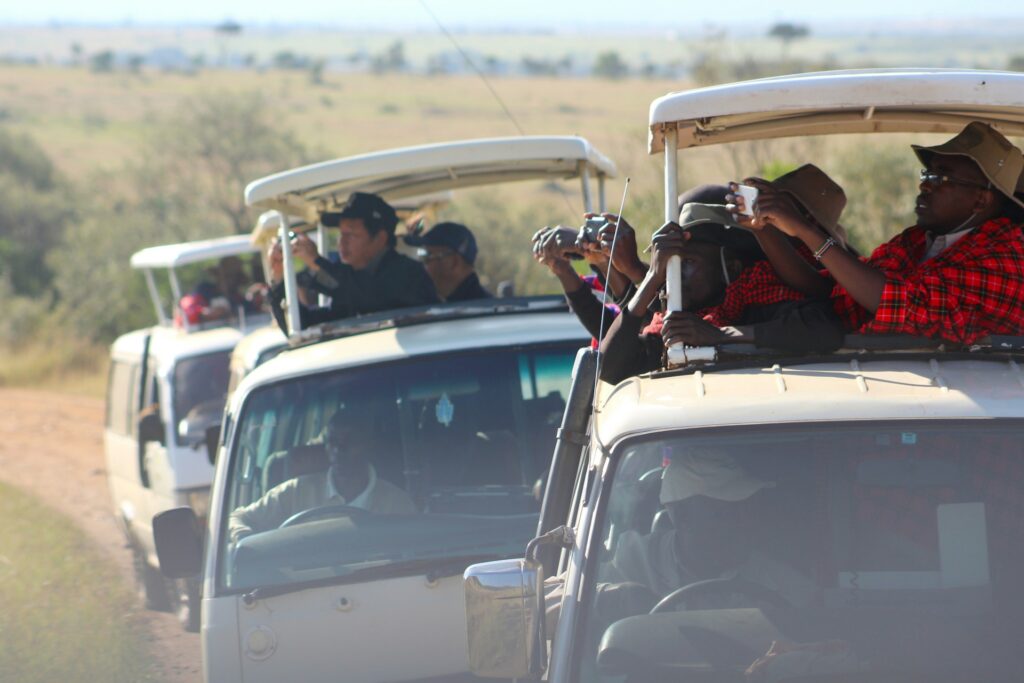
    Amboseli is, by wide consensus among wildlife photographers, one of the finest camera destinations in Africa. The reasons are specific and worth understanding before you arrive.

    The park’s flat, open topography means you are almost always shooting at ground level with animals in open, unobstructed terrain — no trees blocking subjects, no tall grass forcing high-angle shots. The background is consistently clean: open plains, swamp reflections, or the mountain. And the light, in a semi-arid landscape at altitude close to the equator, is extraordinary at the right times of day.

    Golden hour (6:00–8:00 AM and 4:30–6:30 PM) produces the warm, directional light that makes dust and mist glow, that turns elephant skin from grey to bronze, and that gives the plains a quality that midday shooting simply cannot achieve. These are your hours.

    Kilimanjaro’s cloud pattern follows a fairly predictable daily rhythm: typically, clear at dawn, developing cloud bands around the upper slopes by mid-morning, clearing again in the late afternoon. Arrivals at 5:30 AM to catch the mountain in full before the clouds build pays off consistently during dry-season visits. January and February are considered the peak months for clear mountain views.

    For elephant close-ups, a 300–500mm telephoto gives you intimate working distances without pressure to move the vehicle uncomfortably close to the herds. For landscapes with elephants in context — the Kilimanjaro panoramic shots — a 24–70mm gives you the breadth. Bring both. You will use both, probably on the same morning.

    A note on drone photography: drones are not permitted within Kenya Wildlife Service parks without specific permits. Do not attempt to fly one in Amboseli; the penalties are serious and the disruption to wildlife significant.

    Is Amboseli Worth It? The Straightforward Answer
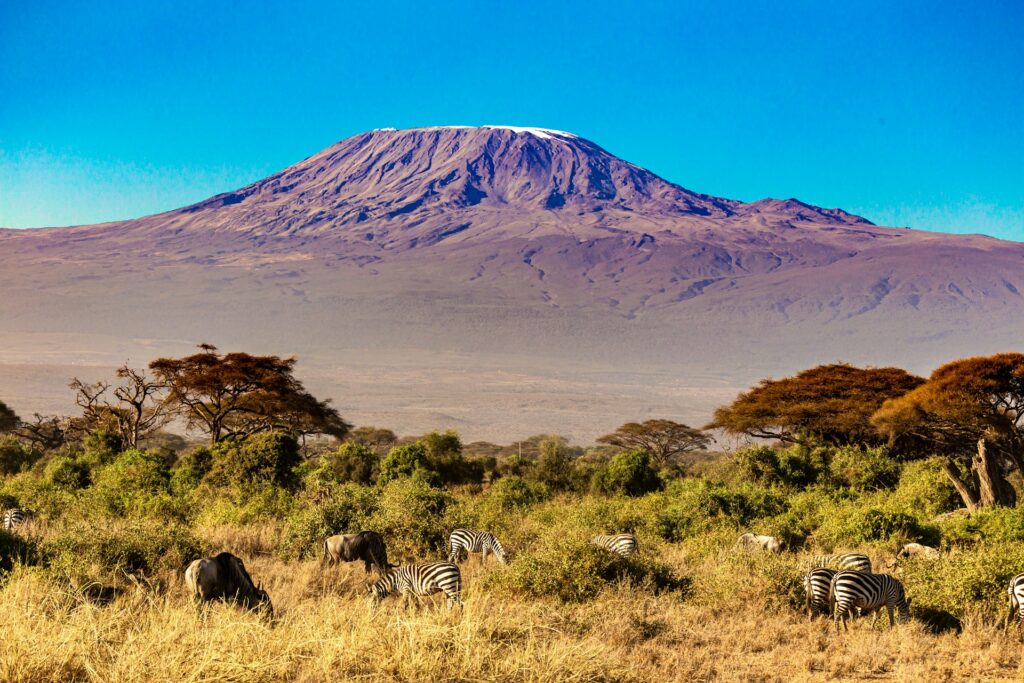
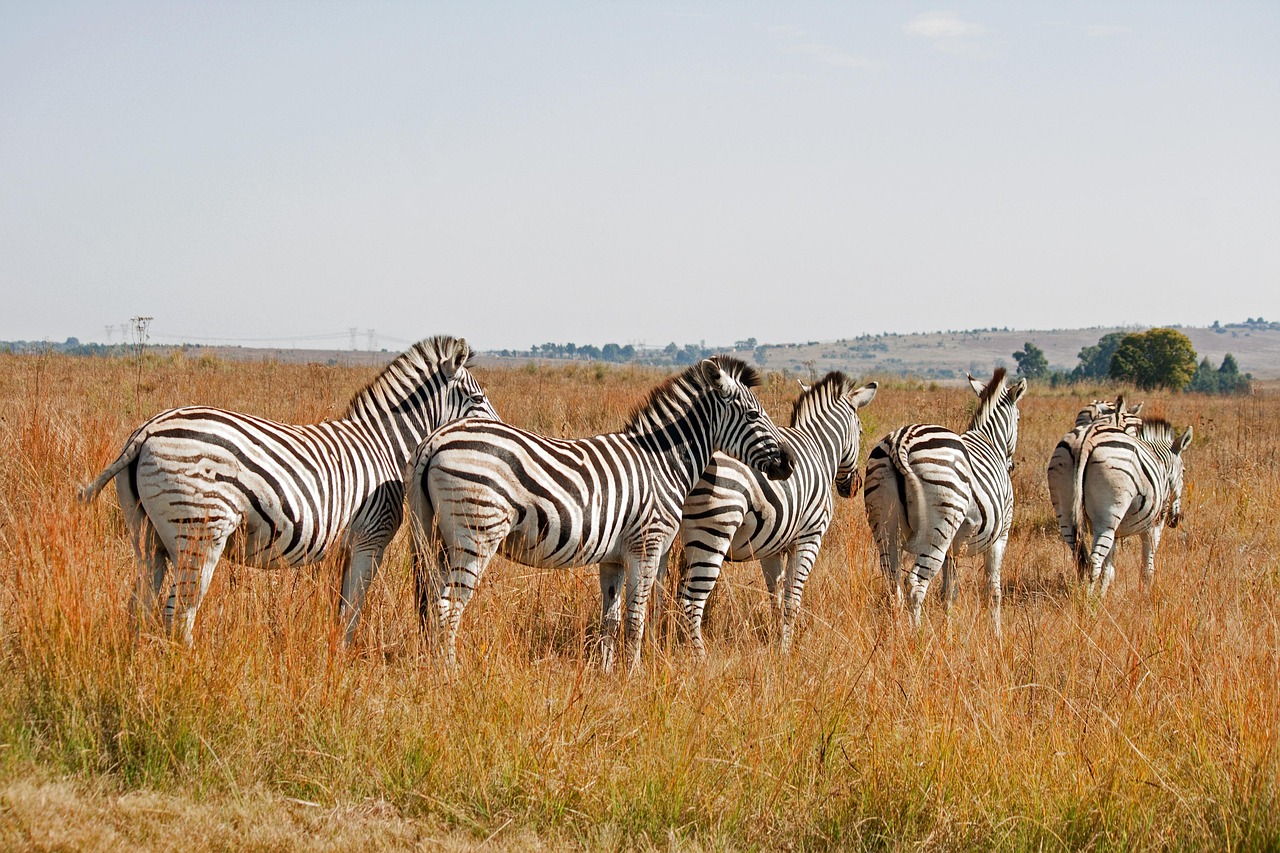
    Photo by <a href="https://unsplash.com/@steve4c?utm_source=unsplash&utm_medium=referral&utm_content=creditCopyText">Stephan Bechert</a> on <a href="https://unsplash.com/photos/a-group-of-zebras-grazing-in-a-field-with-a-mountain-in-the-background-xQWelDCacZE?utm_source=unsplash&utm_medium=referral&utm_content=creditCopyText">Unsplash</a>

    Yes — with a specific understanding of what Amboseli is and is not.

    Amboseli is not a general-purpose wildlife park where you come to tick the Big Five in minimum time. Go to Tsavo or the Mara for that. Amboseli is a park with a very specific, very powerful identity: the elephants, the mountain, the research history, the Maasai cultural context, and the extraordinary intimacy that the open terrain makes possible.

    Visitors who come knowing what Amboseli is — and give it two or three nights — consistently describe it as among the most meaningful wildlife experiences of their lives. Visitors who arrive expecting the Maasai Mara in smaller packaging leave slightly underwhelmed.

    Know what you’re coming for. Come for it properly. And then stand on Observation Hill at 6:30 in the morning while the sun rises over the plains and the elephants move toward the mountain, and decide for yourself whether the title of this article oversold it.

    It doesn’t.

    Ready to plan your Amboseli safari? Request a custom Kenya itinerary that combines Amboseli with the Maasai Mara, Tsavo, or the Kenyan coast here.
  • Tsavo Is Raw, Vast, Completely Untamed. That’s Why We Love It.

    Tsavo Is Raw, Vast, Completely Untamed. That’s Why We Love It.

    The Maasai Mara gets the magazine covers. Amboseli gets the Kilimanjaro photographs. But somewhere in the vast, heat-baked southeast of Kenya, a wilderness larger than Wales — larger than many European countries — sits largely underappreciated by the international visitor, and it is one of the great remaining wild places on earth.

    Tsavo National Park.

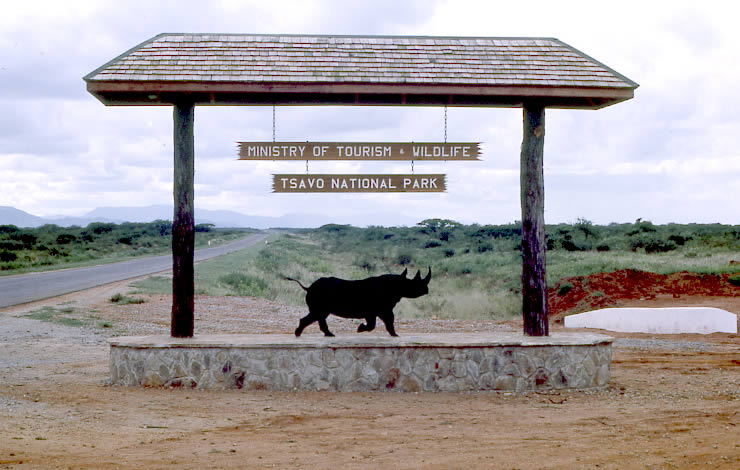
    At over 22,000 square kilometers, Tsavo is Kenya’s largest national park, combining Tsavo East and Tsavo West into a protected ecosystem so vast that you can drive all morning and still feel like you’ve barely touched its edges. The Mara gets five times more visitors despite being a fraction of the size. The Serengeti’s reputation overshadows Tsavo entirely in most travel conversations. And yet Tsavo harbors one of Africa’s largest elephant populations, the world’s longest lava flow, a spring complex that produces tens of millions of gallons of crystal water daily in the middle of arid scrubland, and a lion population that once stopped the construction of a transcontinental railway and is still discussed by scientists more than a century later.

    This is not a hidden gem. It is a giant that simply hasn’t been given its due.

    Understanding the Two Parks

    The first thing you need to know about Tsavo is the one thing most guidebooks don’t make sufficiently clear: Tsavo East and Tsavo West are genuinely different parks. They are separated by the A109 Nairobi–Mombasa highway and feel, on the ground, like different countries.

    Understanding which park suits you — or whether you want both — is the fundamental Tsavo planning question.

    Tsavo East: Open, Vast, and Elemental

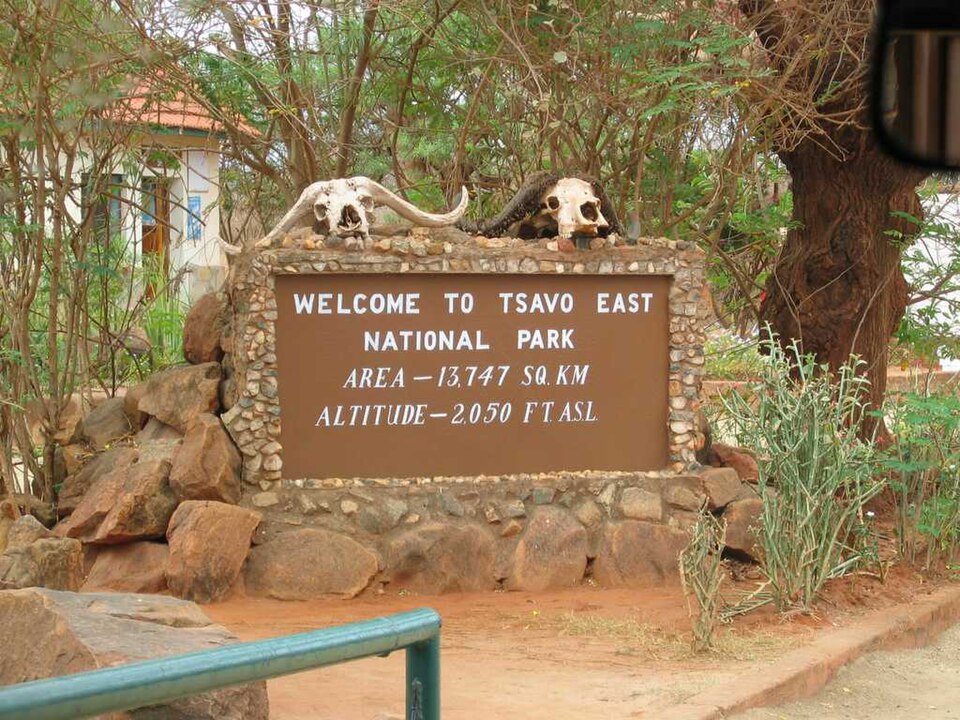
    Tsavo East covers approximately 13,747 square kilometers of arid, open savannah — the eastern portion of the combined park system, drier and flatter, characterized by the rich red-laterite soil that gives the park one of its most recognizable features. Visibility is extraordinary. The landscape is wide and uncluttered, the horizons immense, and the sense of genuine wilderness — unmediated, unmanaged, unsoftened — is more powerful here than almost anywhere in Kenya.

    This is the spiritual home of the red elephants.

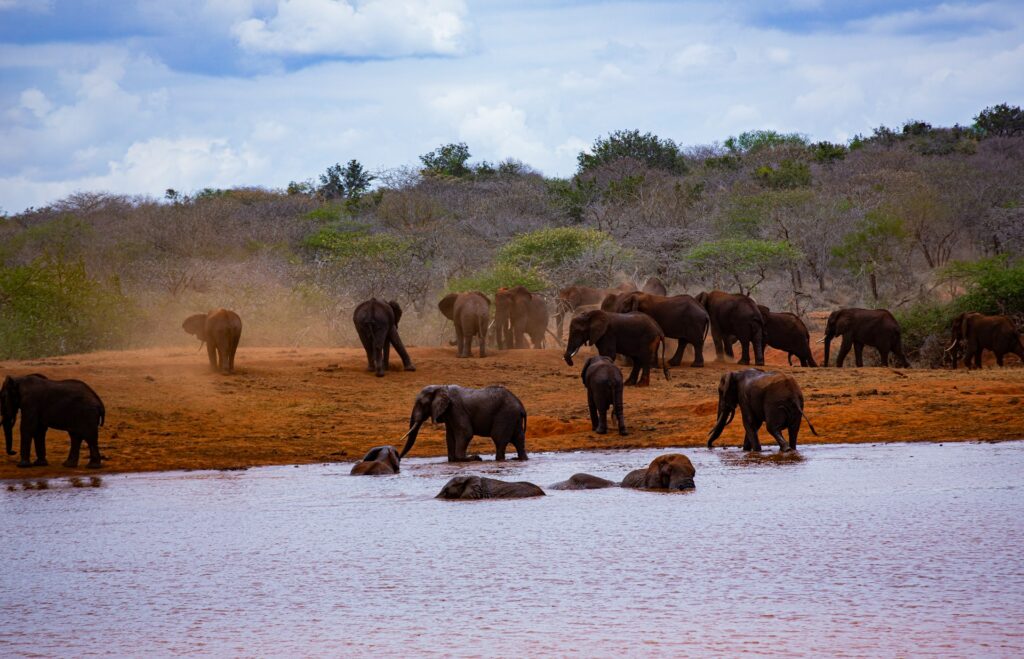
    Tsavo’s elephants regularly roll in the park’s iron-rich red soil. Consequently, this dust coats their grey skin in a deep ochre. In fact, the color often shifts toward a rich terracotta in the afternoon light. Indeed, this creates one of the most striking visual spectacles in Africa. Specifically, you will see large-bodied herds moving in dusty, red columns across the pale savannah. Notably, this specific sight exists nowhere else on earth.

    Furthermore, Tsavo East hosts one of the largest elephant concentrations in Kenya. Experts estimate the population at around 12,500 individuals. Typically, these herds gather along the Galana River or around Aruba Dam. Moreover, these encounters make a compelling case for the park. Although photographers often overlook them for Amboseli’s herds, Tsavo’s elephants are actually more extraordinary.

    Key sites in Tsavo East:

    Lugard Falls: On the Galana River, the river has carved through ancient rock into a series of twisted, polished formations that create narrow gorges, rapids, and deep pools. The visual is striking — smooth rock worn into impossible shapes by centuries of water pressure, with crocodiles resting on flat stones at the edge. Named after the British colonial official Frederick Lugard, who camped here in the 1890s, the falls are one of Tsavo East’s signature landmarks and require a brief walk from the vehicle to appreciate properly.

    Aruba Dam: Aruba Dam sits on the Voi River. Although this dam is artificial, it has become a premier wildlife spot. The permanent water draws massive herds during the dry season. Specifically, you can see elephants, lions, and giraffes gathering here. Furthermore, zebras and hippos join these impressive concentrations. This activity represents Tsavo’s game viewing at its absolute best.

    Indeed, late afternoon at the dam offers a stunning spectacle. Elephants arrive in large family groups as the sun sets. Meanwhile, the sky turns a deep, dusty pink. Consequently, photographers return to this location year after year. Ultimately, the scene captures the raw essence of the Kenyan wilderness.

    Mudanda Rock: A 1.6-kilometre whale-backed rock formation that acts as a water catchment for a natural dam below it. Hundreds of elephants are drawn to the water during the dry season, and the elevated rock surface allows you to look down on the gathering from an unusual perspective. It is also simply a beautiful geological feature — smooth, massive, and quietly imposing.

    The Yatta Plateau: Running along Tsavo East’s western boundary for approximately 300 kilometers, the Yatta Plateau is the world’s longest lava flow — a remnant of a volcanic eruption estimated at over a million years ago. From the Galana River, the plateau rises as an escarpment, its basalt cap contrasting with the red soil below. It is less a dramatic spectacle than a statement of geological immensity — something that rewards contemplation over excitement.

    Tsavo West: Volcanic, Dramatic, and Surprising

    Tsavo West covers roughly 9,065 square kilometers. Though smaller than its eastern neighbor, it offers a more cinematic beauty. Tsavo East feels vast and horizontal. In contrast, Tsavo West feels vertical and varied. Volcanic hills and ancient lava fields define the horizon here. Meanwhile, the landscape shifts dramatically between different ecological zones.

    Travelers often call this park “surprisingly beautiful.” This label reveals the low expectations people bring to the park. Yet, the reality of the experience is often overwhelming. Because the scenery changes so quickly, every turn feels like a new discovery. Ultimately, the park provides a rugged, untamed charm that stays with you.

    The Shetani Lava Flow: About 500 years ago, a volcanic eruption near the Chyulu Hills sent a stream of molten rock across the Tsavo West landscape, covering the land in black basalt that solidified into the formations still visible today. Shetani means “devil” in Swahili — the local communities who witnessed the eruption interpreted it as the surfacing of malevolent forces. You can walk the edge of the lava field, its surface broken and treacherous underfoot, black against the surrounding scrub, still looking freshly volcanic despite half a millennium of weathering. It is one of those landscapes that seems to belong to a different planet.

    Mzima Springs remains the crown jewel of Tsavo West. Specifically, it stands as one of Kenya’s most extraordinary ecological phenomena. Initially, rain falls on the porous lava rock of the Chyulu Hills. Then, the water filters deep underground. Eventually, it emerges at Mzima as a series of crystal-clear springs.

    Notably, these springs produce roughly 50 million gallons of fresh water daily. This is an almost incomprehensible volume for such a dry landscape. Consequently, the water bubbling from the ground creates a lush, river-like environment. Furthermore, this moisture supports a thick canopy of vegetation. Indeed, Mzima provides a stunning oasis in the middle of the parched scrubland.

    The springs support hippos, crocodiles, and abundant fish. Specifically, you can see them all in the clear water. However, the extraordinary feature is the underwater observation chamber. Notably, builders sunk this glass-walled room into the spring pool. Consequently, visitors stand below the water surface. From there, they watch hippos wade through the shallows.

    Indeed, the refracted sunlight lights the hippos from below. They move through the water with a balletic quality. Furthermore, no land-based game drive ever reveals this view. Meanwhile, crocodiles hang motionless in the current. Also, barbel fish school in silver formations. Ultimately, this remains one of the most unique wildlife experiences in Kenya.

    The short trail at Mzima Springs winds through lush acacia woodland. Specifically, this area supports vervet monkeys and many bird species. Notably, you may spot the palm-nut vulture here. Unlike most raptors, this bird feeds on palm fruits instead of carrion. Consequently, it remains one of Africa’s most unusual sightings. Indeed, birdwatchers consider this forest a true highlight of the park.

    The Ngulia Rhino Sanctuary: stands as a vital black rhino conservation site. Notably, the history of rhinos here is both devastating and redemptive. Initially, an estimated 20,000 black rhinos roamed the park in the 1940s. However, intensive poaching reduced that number to twenty individuals by the 1980s.

    Consequently, authorities established the Ngulia Rhino Sanctuary. This 90-square-kilometre enclosure provides intensive anti-poaching protection. Today, approximately 80 black rhinos live safely within its boundaries. Indeed, this recovery represents decades of sustained effort. Ultimately, the sanctuary remains one of African conservation’s genuine success stories.

    Guided rhino tracking drives operate within the sanctuary. Unlike the open-country rhino sightings at Nakuru or Ol Pejeta, the Ngulia experience tends to be more tracking-focused and more intimate — finding animals in bushier terrain with a guide who knows their territories and habits.

    The Chyulu Hills: On Tsavo West’s northern border, the Chyulu Hills are a range of ancient volcanic cones covered in green grassland and forest — extraordinarily beautiful and accessible by hiking. The hills feel completely different from the lowland Tsavo environment, cooler and greener, and the views south across the Tsavo plain from the upper slopes are remarkable. The Chyulu Hills are also the aquifer that feeds Mzima Springs — the connection between these high, forested hills and the crystal water emerging 50 kilometers away is a satisfying example of landscape-scale ecological connectivity.

    The Chaimu Crater: A short, relatively accessible hike up an extinct volcanic cone in the northwestern section of the park, rewarding with panoramic views of lava fields and the broader Tsavo landscape from a summit that takes about 45 minutes to reach.

    The Maneless Lions of Tsavo: A Story That Refuses to Die

    In 1898, two male lions became the most famous animals in Kenya — and quite possibly the most famous wild predators in human history at the time.

    During the construction of the Uganda Railway, workers built a bridge over the Tsavo River. Suddenly, a pair of male lions began attacking them. These predators killed and consumed workers in their tents at night. Indeed, this went on for nine months. Consequently, the frequency of the attacks paralyzed the entire work camp.

    Therefore, Lieutenant Colonel John Henry Patterson personally intervened. He hunted the lions with remarkable difficulty. Eventually, he succeeded in killing both animals. Initially, records attributed 135 deaths to the pair. However, modern researchers now place the number considerably lower. Nevertheless, the events still represent a genuinely extraordinary predatory campaign.

    What made the Tsavo lions particularly distinctive — beyond their behavior — was their appearance: both were maneless, or nearly so. Virtually all adult male African lions develop manes, and a full, dark mane is traditionally associated with health, testosterone, and dominance. The Tsavo males had almost none.

    Modern research has changed our view of Tsavo’s lions. Specifically, experts now understand their manelessness as a clever adaptation. For instance, a large mane would snag on the park’s thick, thorny scrub. Additionally, the extreme heat makes growing a mane metabolically expensive. Therefore, these lions have evolved to suit their harsh environment.

    Notably, Tsavo’s lions are physically larger than most savannah populations. They are longer-bodied and more powerfully built. Furthermore, their hunting behavior focuses on persistence rather than speed. They run prey to exhaustion across difficult terrain. Indeed, a heavy mane would be a liability in these conditions. Ultimately, these traits make them perfectly suited for the wild southeast.

    The original Tsavo lion skins are preserved and displayed at the Field Museum in Chicago, where they remain one of the museum’s most visited exhibits more than 125 years after the animals were killed. In Tsavo, their descendants patrol the same terrain.

    Wildlife: What to Expect on a Tsavo Safari

    Photo by <a href="https://unsplash.com/@evans_dimsphoto?utm_source=unsplash&utm_medium=referral&utm_content=creditCopyText">Evans Dims</a> on <a href="https://unsplash.com/photos/a-herd-of-elephants-standing-next-to-a-body-of-water-9aIS6zFni5w?utm_source=unsplash&utm_medium=referral&utm_content=creditCopyText">Unsplash</a>

    Tsavo’s wildlife is exceptional, and understanding the differences between the two parks helps you position yourself correctly.

    In Tsavo East: The open savannah makes wildlife spotting relatively straightforward — visibility is high, and animal concentrations around the Galana River, Aruba Dam, and the various watering holes along the main game circuit are predictable in the dry season. Expect large elephant herds (the red elephant effect is at its most pronounced in Tsavo East), lion prides, cheetah on the open plains, giraffe, zebra, buffalo in large herds, gerenuk (the long-necked antelope of northern Kenya that appears here near the southeastern edge of its range), hippos and crocodiles at river points, and over 500 recorded bird species.

    In Tsavo West: The denser vegetation means that game viewing requires more patience and more knowledgeable guiding — animals are present in excellent numbers but less immediately visible than on Tsavo East’s open plains. The reward is greater ecological variety: black rhino at Ngulia, hippos and crocodiles visible through the Mzima underwater chamber, elephants around the springs, leopards in the rocky hill country, and the extraordinary birdlife of the more vegetated habitat. Over 600 bird species are recorded across the combined Tsavo system.

    The honest comparison with other parks: Tsavo does not deliver the same density of daily sightings as the Maasai Mara or Amboseli. Those parks are more intensively game-managed and have much higher concentrations of wildlife per square kilometer. Tsavo’s wildlife is spread across an enormous area, which means game drives require more time and more specialist guiding to maximize sightings. The trade-off is authenticity — the sense of wild Africa that exists in the Mara only partially, because the Mara is famous and Tsavo is not.

    Tsavo as Part of a Larger Kenya Circuit

    Tsavo’s position — between Nairobi and Mombasa, adjacent to Amboseli, and within reasonable distance of the north coast — makes it ideally suited to multi-destination itineraries.

    The Southern Circuit: Nairobi → Amboseli (2 nights) → Tsavo West (2 nights) → Tsavo East (2 nights) → Mombasa or Watamu. This is one of the best three-to-four-week Kenya journeys available, combining the iconic Kilimanjaro elephants, Mzima Springs, the red elephants, and a beach finish on the north coast.

    The Mombasa Extension: Tsavo East in particular is accessible from Mombasa — the park’s main gate at Bachuma is approximately 3 hours from Mombasa city center, making a Tsavo East addition a natural extension of any Mombasa or Diani coast trip.

    By SGR train: The Madaraka Express Standard Gauge Railway from Nairobi to Mombasa passes through Tsavo East, and from the train windows, you can see wildlife on the open plains — including elephants, giraffe, and various antelope — making the train journey itself a preliminary taste of the safari.

    Where to Stay in Tsavo

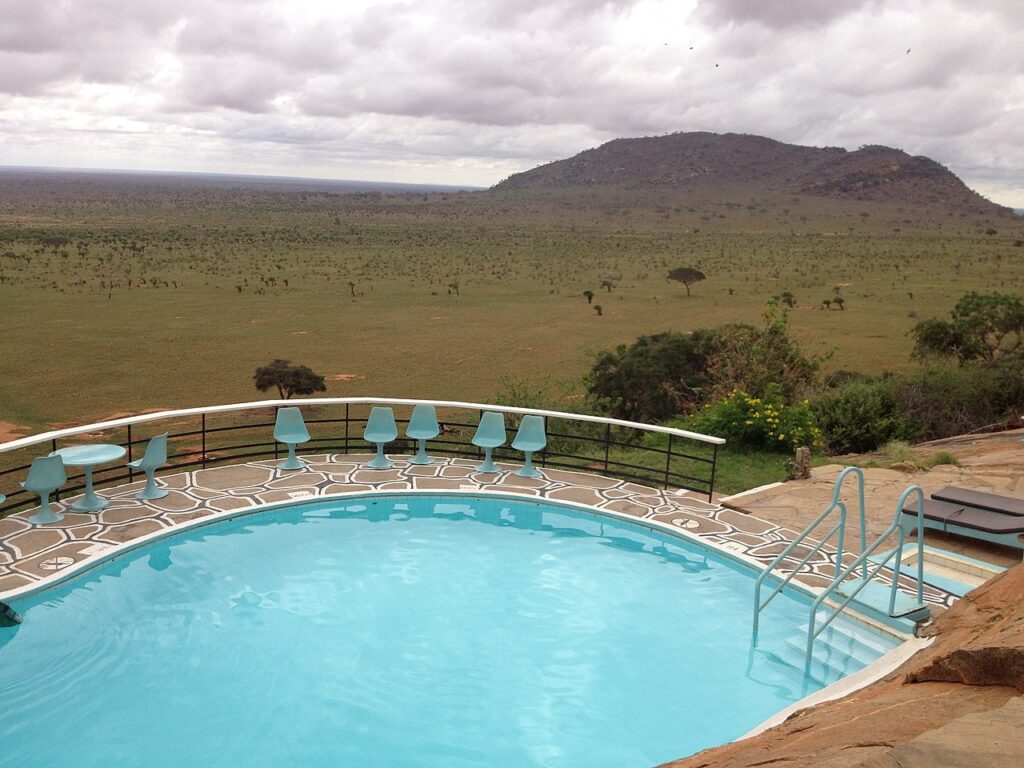
    Voi Safari Lodge (Tsavo East) is the historic lodge — built in the 1960s at an elevated position overlooking a floodlit waterhole, with a swimming pool carved into the escarpment rock. Animals come to the waterhole at night, and the viewing from the lodge terrace is excellent. This is not a luxury property, but it has the bones and positioning of something genuinely special.

    Kilaguni Serena Lodge (Tsavo West) is the premier address in the western park — the first lodge built in any Kenyan national park (1962), positioned with views of the Chyulu Hills and a floodlit waterhole visited by elephants and other wildlife at night. Comfortable, well-staffed, and with a history that gives it genuine character.

    Ngulia Safari Lodge (Tsavo West) sits within the Ngulia Hills and offers excellent access to the rhino sanctuary. It is particularly famous among birders as a key site for night-trapping and ringing of Palearctic migrant birds during October and November — a specialist event that brings ornithologists from across the world.

    Luxury options: The ecosystem around Tsavo West, particularly in and adjacent to the Chyulu Hills area, supports several excellent private camps — Ol Donyo Lodge (strictly speaking in the Chyulu Hills conservancy) and Campi ya Kanzi among them. These are among Kenya’s finest safari properties, combining the Tsavo landscape with the exclusivity of private conservancy access.

    When to Go

    June–October (Dry Season): The best window for game viewing. Vegetation is sparse, animals congregate at water sources, and the red elephants’ dust-bathing behaviour is at its most photogenic in the dry, heat-baked conditions. Temperatures are high (expect 30–38°C), so early morning and late afternoon game drives are essential.

    January–March (Short Dry Season): Another good window. Cleaner conditions for Kilimanjaro views if combining with Amboseli, and solid game viewing across both parks.

    April–May (Long Rains): Some roads in Tsavo East become impassable. The landscape becomes genuinely beautiful — green, dramatic, alive — but self-driving in heavy rains is inadvisable without local guidance. Prices drop and the parks are very quiet.

    November–December (Short Rains): Migratory birds arrive, including extraordinary numbers of Palearctic migrants at Ngulia in October and November. Birding is exceptional. Game roads can be variable.

    Getting There and Getting Around

    From Nairobi by road: Tsavo West’s Mtito Andei gate is approximately 250 kilometers from Nairobi on the A109 Mombasa highway — roughly 3 hours. Tsavo East’s Voi gate is around 335 kilometers — approximately 4 hours. Both are well-signposted from the highway.

    From Mombasa by road: Tsavo East’s Bachuma gate is approximately 170 kilometers from Mombasa — about 2.5 hours. Tsavo West’s Tsavo gate is further but accessible via the same highway.

    By air: Charter flights operate from Wilson Airport in Nairobi to airstrips in both parks. This is the recommended approach for travelers combining Tsavo with Amboseli or the Maasai Mara, where the road distances become impractical.

    4×4 essential: Tsavo East’s park roads, particularly near the Galana River and the Yatta Plateau, require a 4×4 vehicle. Tsavo West is more manageable but still benefits from proper ground clearance. Fuel up before entering — service stations within the parks are not guaranteed.

    Birdwatching in Tsavo: Over 600 Species and a World-Famous Migration Spectacle

    Tsavo’s reputation as a wildlife destination is built on its megafauna. But the birding case for Tsavo is, if anything, even stronger — and almost entirely unknown outside specialist ornithological circles.

    The combined Tsavo system has recorded over 600 bird species, making it one of the richest avian habitats in Kenya. The diversity reflects the park’s ecological variety: open savannah species, riverine forest birds along the Galana, acacia woodland specialists, waterbirds at the dams and springs, and the extraordinary Ngulia ringing station.

    The Ngulia Bird Ringing Station operates each October and November from Ngulia Safari Lodge, and it is a genuinely remarkable scientific and spectator event. Hundreds of thousands of Palearctic migrant birds — European robins, nightingales, thrushes, warblers, flycatchers, and dozens of other species — funnel through East Africa on their southbound migration, and the Ngulia Hills concentrate this movement in ways that the ringing station has been systematically documenting since the 1960s. In good conditions, thousands of birds can be caught, ringed, measured, and released in a single night. International ornithologists come specifically for this, and the lodge fills with birders during this period. For those who have never seen a bird ringing operation, the experience of holding a tiny European robin thousands of kilometers from its breeding territory is quietly extraordinary.

    Beyond the migration spectacle, permanent highlights include: the martial eagle — Africa’s most powerful eagle, with a wingspan exceeding two meters, hunting from the thermals above Tsavo East’s open plains; the Somali ostrich in Tsavo East’s drier northeast (distinguished from Maasai ostrich by its blue-grey neck skin); the carmine bee-eater in spectacular colonies along the Galana River’s vertical banks; the Fischer’s lovebird in flocks that explode out of acacia thickets; and the Von der Decken’s hornbill, with its extraordinary red-and-yellow bill, one of the more improbable-looking birds in an ecosystem full of improbable-looking birds.

    Conservation: What’s Happening in Tsavo Right Now

    Tsavo’s conservation story is not a finished chapter — it is an active, ongoing narrative with setbacks and progress that any visitor should know about.

    The Tsavo Trust is the primary conservation organization operating specifically in the Tsavo ecosystem, focusing on aerial monitoring of elephants (particularly large-tusked bulls vulnerable to poaching), anti-poaching operations, and human-wildlife conflict mitigation. Their aerial survey work has provided critical data on elephant population movements and has directly enabled rapid response to poaching incidents.

    The elephant population across Tsavo has recovered significantly since the poaching catastrophe of the 1970s and 80s, when ivory hunters with automatic weapons reduced numbers to a fraction of historical levels. Today’s population is robust, but the large-tusked bulls that once defined Tsavo’s elephant heritage are still vulnerable — their ivory makes them disproportionately valuable to poachers, and their genes, which produce the park’s iconic great-tusked individuals in subsequent generations, are irreplaceable.

    Water availability in a changing climate is Tsavo’s most significant emerging challenge. The park’s wildlife concentrates around permanent water sources — the Galana River, Mzima Springs, and the network of dams and waterholes maintained by Kenya Wildlife Service. As rainfall patterns become less predictable, the management of these water resources and the protection of the Chyulu Hills catchment that feeds Mzima are increasingly critical conservation priorities.

    Visiting Tsavo and spending money there directly supports KWS’s management budget, the Tsavo Trust’s conservation operations, and the local community economies that exist in relationship to the park. It matters.

    The Case for Tsavo Over More Famous Parks

    The most compelling argument for Tsavo is not its specific attractions — extraordinary as they are. It is the experience of wilderness at genuine scale.

    In the Mara, you will share popular sightings with multiple vehicles. In Tsavo East, your Land Cruiser at a waterhole at 7 AM may be the only vehicle in any direction. The silence between game drives is the silence of actual Africa, not a managed wildlife experience. The landscape is not spectacular in the way that Amboseli’s Kilimanjaro backdrop is spectacular. It is raw in a way that the more famous parks, with their greater tourist infrastructure, are not.

    That rawness is exactly what a growing number of travelers are looking for — and the reason that Tsavo, for those who come understanding what it offers, consistently produces the most emphatic recommendations.

    Tsavo rewards that kind of travel. It always has.

    Ready to experience Kenya’s vast, raw wilderness? Enquire about Tsavo safari packages or request a southern Kenya circuit itinerary combining Tsavo with Amboseli and the coast.

  • Samburu Is Not the Maasai Mara. It’s Wilder, Quieter, and Completely Addictive.

    Samburu Is Not the Maasai Mara. It’s Wilder, Quieter, and Completely Addictive.

    Some travelers have already mastered the Maasai Mara. Perhaps they visited twice. Their collections hold photos of migration crossings and lions at dawn. They watched hot air balloons rise over the plains. While that experience was extraordinary, they now seek something different in Kenya.

    This guide serves that specific soul.

    Samburu National Reserve sits 350 kilometers north of Nairobi. It occupies the remote northern frontier. Life here feels like a different country entirely. The landscape is hotter and more dramatic. This semi-arid world features red rock and acacia scrub. Through the ochre plains, the Ewaso Ng’iro River cuts a green ribbon.

    The wildlife differs from anything found in the south. Local culture feels deeper and less filtered. Even during peak season, the solitude remains unmatched. First-time visitors usually return to these lands repeatedly. They do not come back because Samburu surpasses the Mara. Such a comparison is far too simple. Rather, this place reveals another Africa entirely.

    What Samburu Is and Where It Sits

    Samburu National Reserve covers approximately 165 square kilometers of semi-arid terrain in Samburu County, centered on the southern bank of the Ewaso Ng’iro River. It is not large by Kenyan standards — the Mara is more than five times the size, Tsavo twenty times — but its compactness is one of its virtues: the wildlife concentrates along the river, and a well-planned game drive covers the key habitats efficiently.

    The reserve is part of a larger continuous protected ecosystem. Immediately across the river lies Buffalo Springs National Reserve (131 square kilometers, in Isiolo County), and downstream to the east sits Shaba National Reserve (239 square kilometers), where Joy Adamson — of Born Free fame — worked with leopards and cheetahs in the final years of her life. A single daily ticket grants access to all three reserves, effectively tripling the safari territory available to visitors.

    Djoser junior trip to Kenya

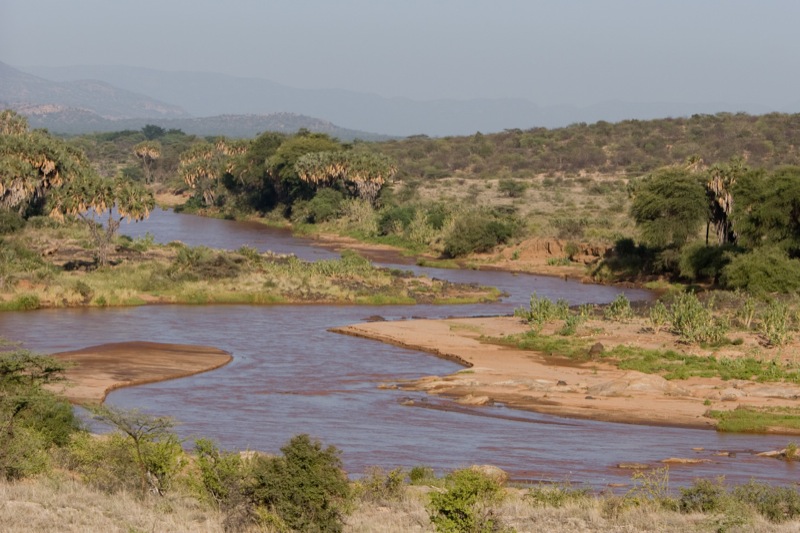
    The Ewaso Ng’iro River — the name means “river of brown water” in the Maa language — is the ecological lifeline of the entire system. Originating in the Aberdare Range and on the slopes of Mount Kenya, it flows north through Laikipia before entering the Samburu ecosystem, where it supports the dense riverine forest of doum palms, fig trees, and tamarind that lines its banks. In a landscape this dry and hot, this ribbon of greenery is where everything congregates. The elephants, the crocodiles, the leopards, the birds, and the Samburu people who water their cattle here have all shaped their lives around this single river.

    The Samburu Special Five: Species Found Nowhere Else in Kenya

    The defining feature of Samburu’s wildlife is not what it shares with the rest of Kenya. It is what it doesn’t share.

    Five species that live in Samburu are either absent from or extremely rare in Kenya’s southern parks, adapted specifically to the arid, semi-desert conditions of the north. Safari guides call them the Samburu Special Five, and for repeat Kenya visitors, ticking all five is a primary motivation for making the northern journey.

    Grevy’s Zebra

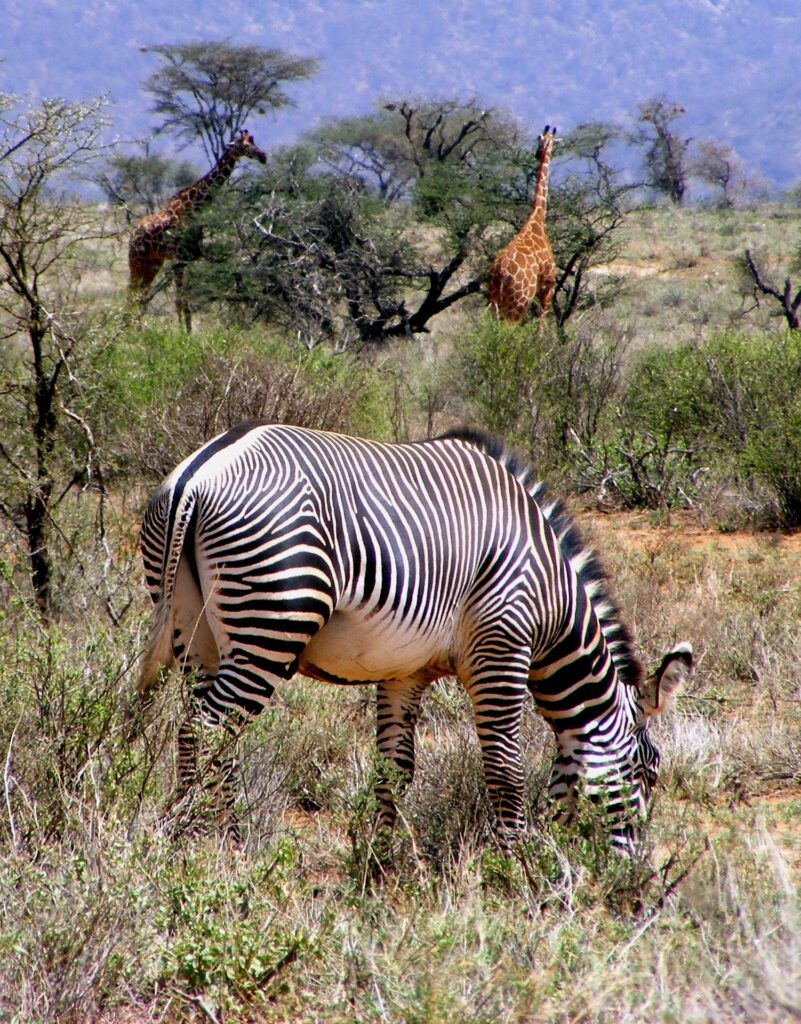
    The world’s largest zebra species, and one of the most endangered — with a global population of around 2,000 individuals, over a third of which live in Kenya’s northern rangelands. Grevy’s zebra are strikingly different from the common plains zebra of the south: their stripes are narrower and more numerous, giving them a finer, more intricate patterning. Their ears are large and rounded, giving them a slightly donkey-like quality. They are taller and more horse-like in build than plains zebra, and unlike their southern relatives, they do not form permanent herds — males are territorial, and females move independently.

    The contrast between seeing plains zebra in Amboseli and Grevy’s zebra in Samburu is remarkable enough that people who have seen both consistently describe the Grevy’s as the more beautiful animal.

    Reticulated Giraffe

    The most visually distinctive of Africa’s giraffe subspecies, the reticulated giraffe has a coat patterned with large, clearly defined polygonal patches of deep chestnut-brown separated by narrow white lines — a geometric precision that the more blurred patterning of Maasai giraffe lacks. Found only in northern Kenya and some parts of Ethiopia and Somalia, Samburu has a significant and reliably visible population. Seeing reticulated giraffe browsing against the red-rock Samburu hills at dawn is one of the reserve’s definitive experiences.

    Gerenuk

    The gerenuk is impossible to describe without sounding like you are inventing a creature. Specifically, this antelope is elongated and pencil-thin. It possesses a neck so disproportionately long that it looks like a stretched gazelle. Indeed, its name in Somali translates to “giraffe-necked.”

    Furthermore, the gerenuk displays a defining and unique behavior. It adapts to arid environments where ground-level vegetation remains sparse. Consequently, the animal stands on its hind legs to browse. It balances upright against acacia branches. Thus, it reaches leaves several feet higher than other gazelle-sized antelopes. Ultimately, this specialized skill allows it to thrive where others might struggle.

    Watching a gerenuk stand upright to feed is both comedic and genuinely remarkable — a perfect evolutionary solution to the food competition problem in a landscape where most browsers eat at the same height.

    Beisa Oryx

    The Beisa oryx is a large, elegantly built antelope. It possesses a pale grey-fawn body and dramatic black facial markings. Long, straight rapier horns complete its profile. This species adapts to the desert with implausible physiological skill. It tolerates body temperatures that would kill most mammals. Consequently, the oryx avoids water loss by not sweating. These animals prefer the open plains. They look strikingly beautiful in the clean, sparse light of Samburu’s dry season.

    Somali Ostrich

    The Somali ostrich differs visually from the common ostrich. Specifically, the male displays striking bare neck and leg skin. This skin appears blue-grey rather than the pink seen in common varieties. Furthermore, this bird lives exclusively north of the equator. Genetic analysis confirms it represents a completely separate species.

    Notably, spotting the Somali ostrich requires a moment of close attention. At first glance, it resembles a standard ostrich. However, geographical context and distinctive coloration set it apart. Consequently, identifying this bird provides a satisfying completion to the Special Five list. Thus, every sighting rewards the observant traveler.

    The Other Wildlife: Beyond the Special Five

    The Special Five are the headline, but Samburu’s broader wildlife is exceptional.

    Elephants appear reliably and dramatically throughout the reserve. The Ewaso Ng’iro River draws large herds to drink and bathe. These encounters offer a rare quality of intimacy. The riverine setting further enhances the experience. You might witness herds crossing the water or playing in the shallows. Often, they arrive at the bank in the late afternoon light. Doum palms provide a striking backdrop for these moments. This scene remains one of Samburu’s greatest photographic gifts.

    Dr. Iain Douglas-Hamilton founded the Save the Elephants organization. Specifically, he pioneered elephant behavioral studies in Samburu during the 1970s. This group has conducted continuous research in the reserve since 1993. Consequently, their work has produced groundbreaking discoveries. They study elephant cognition, communication, and social structures.

    Furthermore, researchers analyze the deep effects of poaching on these families. Therefore, when you watch elephants in Samburu, you see documented history. You observe individuals with lives recorded for decades. Indeed, this legacy adds profound depth to every sighting. Ultimately, your experience connects you to one of Africa’s most significant conservation stories.

    Leopards represent Samburu’s signature big cat. Indeed, many photographers consider this reserve Kenya’s premier leopard destination. The riverine forest along the Ewaso Ng’iro provides an ideal habitat. Consequently, trackers regularly spot several habituated individuals during daily game drives.

    Furthermore, these leopards have adapted to a dry, rocky environment. This terrain differs significantly from the riverine forests of the Mara. Therefore, sightings often occur in more open and dramatic settings. Ultimately, this visibility makes the reserve a favorite for those seeking high-quality encounters.

    Lions inhabit the reserve and appear regularly. Specifically, the Ewaso Lions research project monitors and tracks local prides. These researchers share movement data with local guides. Consequently, this cooperation improves sighting reliability for visitors.

    Meanwhile, cheetahs frequent the open plains. Striped hyenas also reside here. Notably, these replace the spotted hyenas that dominate the south. These animals represent the rarer of Africa’s two hyena species. Furthermore, they live primarily in the arid north. Thus, every predator sighting in Samburu feels distinct and rare.

    African wild dogs occasionally pass through, following their enormous ranging territories across the northern landscape. These sightings are never guaranteed and always extraordinary.

    Birds: Over 450 species recorded, with remarkable northern specialists that don’t appear in southern Kenya. The vulturine guineafowl — arguably the most beautiful member of the guineafowl family, with its iridescent blue breast and extraordinary head plumage — forms flocks that walk the roads and plains of Samburu in numbers large enough to stop a game drive simply for admiration. The golden-breasted starling is a bird so extravagantly beautiful that first-time visitors consistently refuse to believe it is wild. The Somali bee-eater, the martial eagle, and the palm-nut vulture complete an avian cast that serious birders specifically travel to Samburu for.

    The Ewaso Ng’iro River: Heart of the Ecosystem

    The river deserves its own section, because understanding Samburu means understanding the Ewaso Ng’iro.

    In a landscape where, annual rainfall can drop below 300 millimeters, the river is not merely important — it is everything. Every lodge in Samburu is built on its banks. Every wildlife concentration in the reserve relates to the water it provides and the food the riverine forest produces. The Samburu people water their cattle here. The elephants come here daily. The crocodiles — massive Nile crocodiles, some of the largest in Kenya — lie along its banks and hold the river’s permanent darkness in their unblinking eyes.

    Watching the river from your lodge veranda at dawn is one of the reserve’s baseline pleasures. Things come to drink before the sun is fully up — elephant herds arriving in family groups, buffalos with their attendant egrets, hippos submerged in the deeper pools, baboons picking through the riverside rocks. The light in Samburu at this hour is extraordinary: low, golden, directional, and falling on the red rock and ochre grass in a way that photographers compose for hours.

    The river also provides the structure for some of Samburu’s finest game drive routes. Following the riverbank road — stopping at points where animals concentrate, watching the forest edge for leopard movement, tracking the elephant herds upstream — is a methodology that consistently delivers encounters.

    The Samburu People: More Than a Cultural Visit

    Maralal International Camel Derby Yare Samburu Cultural festival By Antony Trivet Travel Documentary Photography In Kenya

    The Samburu people are the reason this reserve carries their name, and they are integral to understanding it properly.

    The Samburu live as semi-nomadic pastoralists. Specifically, they share close relations with the Maasai. However, they remain distinct in their language, territory, and cultural traditions. Their society revolves entirely around cattle. Indeed, cattle ownership calibrates wealth, identity, and social standing. Furthermore, their traditional lifestyle involves moving herds through this arid landscape. They follow grazing patterns and water sources throughout the year. Consequently, their deep connection to the land defines their daily existence.

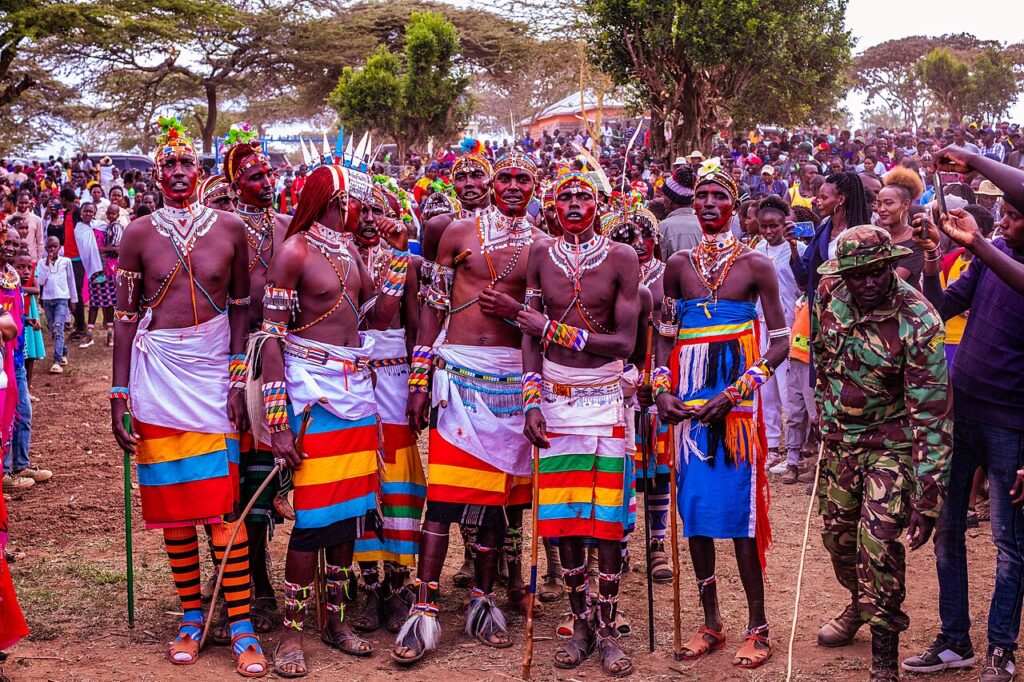
    The warriors (moran) of the Samburu are among the most visually striking people in Kenya — tall, lean, adorned with elaborate red ochre hairstyles and layered beadwork of extraordinary intricacy. The beadwork itself is a form of communication, with different patterns indicating age-group, marital status, and social position in ways that require local knowledge to interpret.

    Cultural visits to Samburu villages are offered by most lodges and should be approached as genuine encounters rather than performance tourism. The best visits include conversation — through a guide who can translate — about the livestock economy, the challenges of living alongside wildlife, the changing dynamics of the northern frontier, and the practices of the moran age-group system. Avoid visits that feel choreographed. Seek those that involve actual exchange.

    The Singing Wells are one of Samburu’s most haunting cultural experiences. At certain times of year, when water sources are scarce, Samburu herders dig wells by hand in dry river beds and form human chains to pass water to the surface for their livestock. They sing as they work — a coordinated, rhythmic chanting that regulates the pace of the chain and has been performed in this landscape for generations. Witnessing this at dawn is the kind of experience that exists entirely outside the standard safari itinerary.

    Reteti Elephant Sanctuary, located near the reserve, is a community-run operation that rescues and rehabilitates orphaned elephants. It is notable not only for its conservation work but for being the first elephant sanctuary in Africa to be owned and operated by an indigenous community. Visits can be arranged and combine a moving encounter with orphaned calves with a powerful conservation and community development story.

    Samburu vs. the Maasai Mara: The Honest Comparison

    Let’s answer the question directly.

    Go to the Maasai Mara if: This is your first Kenya safari, you specifically want to witness the Great Migration, you want the highest density of Big Five sightings in the shortest time, or you want the widest range of accommodation options at every budget level.

    Go to Samburu if: Visit Samburu if you have already mastered the Mara. It serves those seeking a genuinely different frontier. Serious photographers will find unique species and dramatic light here. You can work without competing against twenty other vehicles.

    The reserve offers the chance to find the Special Five. Furthermore, it provides leopard sightings of unusual quality. Choose this destination for cultural immersion that feels less packaged. If you crave true solitude, this is your landscape.

    The best Kenya circuit includes both. A northern Kenya itinerary that combines Samburu (3 nights) with either Laikipia or Lewa conservancy (2 nights — rhinos, wild dogs, horseback safaris) creates one of Africa’s finest wildlife circuits, entirely distinct from the southern parks in character and content.

    Samburu and the Northern Circuit: Laikipia Connection

    Samburu rarely visits as a standalone destination among those who know Kenya well. It almost always appears as part of a northern Kenya circuit that combines the reserve with the broader Laikipia Plateau — a patchwork of private conservancies and community lands to the south and west that supports some of the country’s highest concentrations of rare species.

    Ol Pejeta Conservancy (Kenya’s largest black rhino sanctuary, home to the last northern white rhinos) is about four hours from Samburu by road. Lewa Wildlife Conservancy is closer — around two hours — and supports exceptional concentrations of both black and white rhino, Grevy’s zebra, African wild dogs, and lion. Borana and Il Ngwesi conservancies round out a northern circuit that, across seven to ten days, delivers a safari experience entirely different from the Mara-Amboseli south.

    Where to Stay in Samburu

    Samburu’s accommodation has developed considerably, and the best lodges are among Kenya’s finest.

    Sasaab Lodge sits in the Kalama Conservancy north of the reserve — nine spacious suites with stunning views across the Ewaso Ng’iro to the plains beyond. The architecture draws on northern African and Moroccan influences in a way that should feel incongruous and somehow doesn’t. Private plunge pools, exceptional guiding, and access to the 240,000-acre Kalama Conservancy wilderness give Sasaab a sense of scale and exclusivity that makes it one of Kenya’s most compelling addresses.

    Saruni Samburu is built around massive boulders on a clifftop in the Kalama Conservancy, with views that encompass the entire northern landscape including, on clear days, the snow-capped summit of Mount Kenya visible above the horizon. Night drives, guided walks to ancient Samburu rock art, and a sunken elephant waterhole hide for photography are among its more distinctive offerings.

    Elephant Bedroom Camp sits directly on the Ewaso Ng’iro River within the reserve, named for the almost-daily visits by elephant herds that come to drink. The eleven tented rooms are raised on wooden decks above the riverbank, and the main mess area looks directly onto the water. Leopard and lion also pass through camp on occasion. This is one of those properties where the wildlife experience begins before you’ve left your room.

    Larsen’s Tented Camp is one of Samburu’s longer-established camps — twenty tented rooms on the river with a warm, personal feel, a good pool, and an engaging team. It remains one of the better mid-range options in the reserve and offers walking safaris.

    Ashnil Samburu Camp (Buffalo Springs) offers thirty luxury tents in a beautifully landscaped setting on the Buffalo Springs side of the river — a reliable mid-range-to-luxury option with excellent guiding and full-board operations.

    Save the Elephants and the Scientific Legacy of Samburu

    One detail about Samburu that separates it from virtually every other African reserve is the depth of its scientific legacy — and the way that legacy enriches the experience of simply being there.

    Dr. Iain Douglas-Hamilton began his elephant behavioural research in Samburu in the 1970s, in work that helped establish the fundamental framework for understanding elephant social structure. His daughter Saba Douglas-Hamilton continued the family connection to the area and has helped communicate Samburu’s conservation work to global audiences. The organisation they founded, Save the Elephants, has maintained its research base at Samburu since 1993 and has transformed understanding of elephant cognition, navigation, communication, and family dynamics through decades of continuous study.

    The practical consequence for visitors is that the elephants you encounter in Samburu are among the most extensively documented wild animals on earth. Some individuals have been observed, named, and followed across their entire lifetimes. The matriarchs who lead the herds to the Ewaso Ng’iro carry decades of accumulated knowledge about seasonal water sources, safe corridors, and the geography of northern Kenya — knowledge that saves the calves who follow them during droughts that would kill less experienced herds.

    When your guide points to a matriarch approaching the river and says her name — many Samburu guides know the individual animals — you are looking at something unique: a wild animal whose entire life story, from birth to the moment in front of you, has been recorded.

    Photography in Samburu: A Photographer’s Paradise

    Wildlife photographers who have worked in multiple African parks tend to single out Samburu as one of their favorites — and the reasons are specific.

    The quality of light in Samburu is exceptional. The semi-arid environment, at relatively low altitude (around 850 meters), produces clear, clean atmospheric conditions with intense golden-hour light at dawn and dusk. The red soil, ochre rocks, and green river vegetation create a color palette unlike any other Kenyan park.

    The composition possibilities are extraordinary. The Ewaso Ng’iro River provides endless opportunities: animals at the water’s edge with the doum palm forest behind them, reflections in still pools, crossing sequences, and the drama of crocodiles and wildlife sharing the same narrow resource. The rocky outcrops and open plains give photographic variety within short distances.

    The exclusive access — fewer vehicles than the Mara, more habituated animals in quieter conditions — means that exceptional sightings are not constantly diluted by the arrival of other vehicles. A leopard in a riverine tree, a gerenuk standing upright, a Grevy’s zebra family at the waterhole — these encounters in Samburu tend to unfold slowly, without the urgency that crowded parks impose.

    Night drives (available in the private conservancies adjacent to the reserve, not within the reserve itself) open up nocturnal species — aardvark, bushbaby, African civet, striped hyena, and the spectacular porcupine in the camp lights.

    Getting to Samburu

    By air: The fastest and recommended option for most international visitors. Daily scheduled flights from Wilson Airport in Nairobi reach Buffalo Springs or Kalama Airstrip in approximately one hour. Several charter operators also serve the route. This eliminates the road journey and maximizes time in the reserve.

    By road: Approximately 350 kilometers from Nairobi — around 6–7 hours via the A2 highway north through Nanyuki and Isiolo to Archer’s Post (the gateway town, 5 kilometers south of the main gate). The road journey is scenic through the foothills of Mount Kenya and the transition from highland green to northern arid on the descent to the Samburu plains. A 4×4 is not required for the main highway but recommended for reserve roads.

    When to Go

    Samburu is genuinely year-round in a way that few Kenyan parks are. The reserve does not have the extreme wet-season road problems that affect some southern parks, and the wildlife along the Ewaso Ng’iro remains concentrated and visible in all seasons.

    July–October (Dry Season): The peak window for wildlife concentration along the river. Vegetation is sparse, making sightings easier. Hot (temperatures regularly exceed 35°C) but ideal for photography and game viewing.

    January–March: An excellent alternative period — dry and clear, with fewer visitors than the July–October peak. Many experienced safari operators consider this window the sweet spot: good conditions, lower prices, and a quieter reserve.

    April–June and November: The rains bring dramatic skies, greener landscape, and exceptional birdwatching as migratory species arrive. Wildlife viewing becomes more dispersed but remains good. Prices drop. The reserve has a different, softer beauty.

    Samburu will not overwhelm you with spectacle on the first morning the way the Mara sometimes does. It rewards patience, attention, and a willingness to be surprised by animals you’ve never encountered before. The gerenuk standing on its hind legs. The reticulated giraffe’s geometric coat against the red hills. A leopard in a doum palm reflected in the Ewaso Ng’iro at sunrise.

    Come prepared to be changed by the north. You will be.

    Ready to discover Kenya’s northern frontier? Enquire about Samburu and northern Kenya safari packages and get an itinerary that goes far beyond the standard circuit.

  • Discover Nairobi National Park: The World’s Only Wildlife Park Next to a Capital City

    Discover Nairobi National Park: The World’s Only Wildlife Park Next to a Capital City

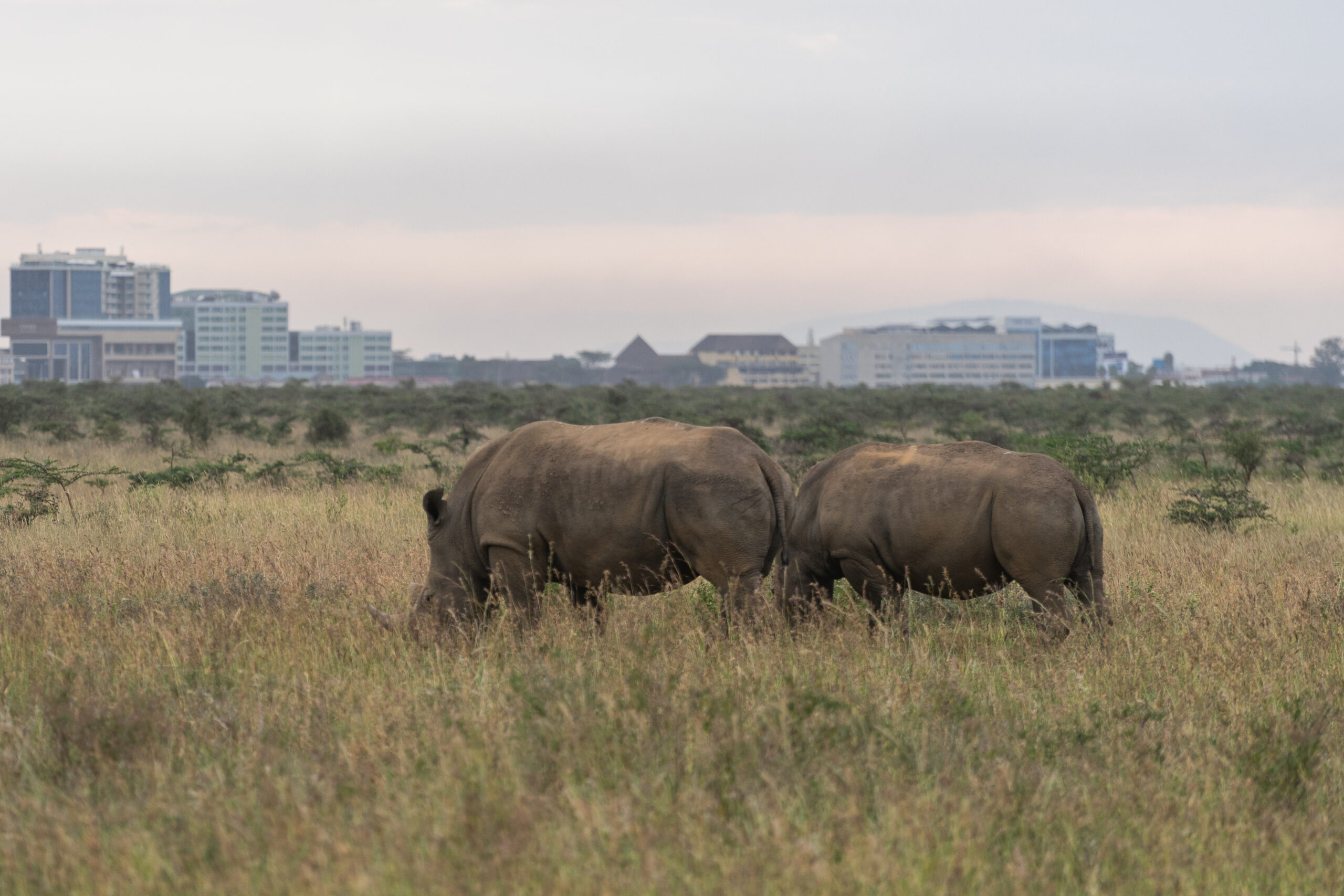
    Few places on Earth offer a wildlife experience as unique and surreal as Nairobi National Park. Just minutes from Kenya’s bustling capital city, this extraordinary conservation area is the only national park in the world located within a capital city, where skyscrapers form a dramatic backdrop to roaming rhinos, lions, giraffes, and buffalo.

    Whether you are a first-time visitor to Kenya, a business traveler with limited time, or a local rediscovering your country, Nairobi National Park delivers an authentic African safari experience without the need for long-distance travel.

    In this guide, we explore everything you need to know before visiting Nairobi National Park — from wildlife and activities to the best time to visit and insider tips to make the most of your experience.


    Where Is Nairobi National Park?

    Nairobi National Park is located approximately 7 kilometers south of Nairobi’s Central Business District, making it one of the most accessible wildlife parks in Africa.

    Despite its proximity to the city, the park spans over 117 square kilometers of protected savannah, wetlands, and riverine forest. A perimeter fence along the northern boundary separates wildlife from the city, while the southern boundary remains open, allowing seasonal wildlife migration toward the Athi-Kapiti plains.


    A Brief History of Nairobi National Park

    Established in 1946, Nairobi National Park was Kenya’s first national park. Its creation marked a significant milestone in wildlife conservation, especially during a period when urban expansion posed serious threats to natural habitats.

    Over the decades, the park has played a critical role in:

    • Rhino conservation programs
    • Wildlife research and education
    • Promoting eco-tourism within urban environments

    Today, it stands as a powerful symbol of Kenya’s commitment to balancing development with conservation.


    Wildlife You Can See at Nairobi National Park

    Despite its relatively compact size, Nairobi National Park boasts an impressive variety of wildlife.

    🦁 Mammals

    Visitors can expect to encounter:

    • Lions
    • Leopards (rare but present)
    • Black and white rhinos
    • Buffaloes
    • Giraffes
    • Zebras
    • Wildebeest
    • Elands
    • Hyenas
    • Warthogs

    The park is one of the most successful rhino sanctuaries in Kenya, offering one of the best chances to spot endangered black rhinos in their natural habitat.

    🐦 Birdlife

    With over 400 recorded bird species, Nairobi National Park is also a paradise for bird watchers. Notable species include:

    • Secretary birds
    • Ostriches
    • Martial eagles
    • Crowned cranes
    • Various migratory species during the wet season

    Unique Features That Set Nairobi National Park Apart

    1. Wildlife Against a City Skyline

    Few experiences compare to seeing a lion resting in the grass with Nairobi’s skyline looming in the background. This striking contrast is what makes the park globally iconic and highly photogenic.

    2. Proximity and Accessibility

    Unlike parks that require hours of travel, Nairobi National Park can be accessed within 30 minutes from most parts of Nairobi, making it ideal for:

    • Short visits
    • Day safaris
    • Corporate or diplomatic visitors
    • Transit travelers with limited layover time

    3. Conservation in an Urban Environment

    The park serves as a real-world example of how wildlife conservation can coexist with urban development — a growing global challenge.


    Top Things to Do at Nairobi National Park

    🚙 1. Game Drives

    Early morning and late afternoon game drives offer the best chances to see predators in action. Self-drive safaris are allowed, but guided tours provide deeper insights and better wildlife spotting.

    🦏 2. Rhino Sanctuary Visit

    The park’s rhino sanctuary is a must-see, showcasing Kenya’s conservation success in protecting one of Africa’s most endangered species.

    🐊 3. Visit the Ivory Burning Site Monument

    This historical landmark commemorates Kenya’s stand against poaching, where confiscated ivory was publicly burned to discourage illegal wildlife trade.

    🧺 4. Picnic at Designated Sites

    Several picnic sites allow visitors to enjoy meals surrounded by nature, though food must be securely stored to avoid attracting wildlife.


    Best Time to Visit Nairobi National Park

    Nairobi National Park is open year-round, but certain seasons offer better experiences:

    • Dry Season (June – October):
      Best for wildlife viewing as animals gather around water sources.
    • Wet Season (November – May):
      Lush landscapes and excellent birdwatching, though some roads may be muddy.

    Early mornings and late afternoons remain the optimal times regardless of season.


    Entry Fees and Park Regulations

    Entry fees vary based on residency status (citizens, residents, non-residents). It’s recommended to:

    • Carry valid identification
    • Follow Kenya Wildlife Service (KWS) guidelines
    • Respect speed limits and wildlife right-of-way
    • Avoid feeding animals or leaving vehicles outside designated areas

    Tips for a Great Visit

    • Bring binoculars and a camera with a zoom lens
    • Wear neutral-colored clothing
    • Carry water and sun protection
    • Book guided tours in advance during peak seasons
    • Combine your visit with nearby attractions like the David Sheldrick Wildlife Trust or Giraffe Centre

    Why Nairobi National Park Matters

    Nairobi National Park is more than a tourist attraction — it’s a living conservation success story. It demonstrates how wildlife, tourism, and urban life can coexist when deliberate efforts are made to protect natural heritage.

    For Kenya, it remains a national treasure. For visitors, it offers an unforgettable safari experience without leaving the city.


    Final Thoughts

    If you are looking for a genuine Kenyan wildlife experience without the long travel times associated with remote parks, Nairobi National Park should be at the top of your list. It’s ideal for travelers short on time, families, photographers, conservation enthusiasts, and anyone curious to see how nature thrives alongside modern city life.

  • The Kenya Trip Checklist Nobody Sends You Until It’s Too Late

    The Kenya Trip Checklist Nobody Sends You Until It’s Too Late

    Planning a trip to Kenya is exciting for all the right reasons. You picture sunrise over the Maasai Mara, elephants moving across Amboseli with Mount Kilimanjaro in the background, white-sand beaches in Diani, and the buzz of Nairobi before your safari begins. What most travel guides do not tell you is that the small details can make or break the trip.

    It is rarely the big dream that causes problems. It is the forgotten travel adapter, the wrong bag for a bush flight, the missed eTA application, the lack of cash in the right place, or arriving for an early game drive without a warm layer. That is why this Kenya trip checklist exists.

    If you are planning a safari, beach holiday, city break, or a mix of all three, this guide covers the practical things travelers often learn only after it is too late. Use it to prepare well, avoid stress, and enjoy Kenya the way you imagined it.

    Why you need a proper Kenya trip checklist

    Kenya is one of the most rewarding destinations in Africa, but it is not the kind of trip you should leave to chance. A Kenya travel checklist helps you avoid last-minute surprises with documents, health prep, packing, transport, money, and timing.

    The most common travel mistakes are simple:

    • Applying for entry authorization too late
    • Packing a hard suitcase for a light aircraft safari transfer
    • Forgetting that mornings on safari can be cold
    • Not budgeting for park fees, tips, and internal transfers
    • Assuming all areas have the same weather, road conditions, or mobile coverage
    • Bringing single-use plastic bags or bottles into places where restrictions apply

    A little preparation goes a long way. Kenya rewards travelers who plan well.

    1. Sort your travel documents first

    Before you think about safari outfits or camera lenses, get your documents in order.

    Most international travelers’ need a Kenya Electronic Travel Authorization (eTA) before departure, and it is smart to apply early rather than leaving it to the last minute. Travelers should also have a passport valid for at least six months beyond their travel date, and keeping both digital and printed copies of key documents is still a very good idea. 

    Travel Safe During Coronavirus Pandemic. Black couple in protective medical masks posing with passports and tickets at airport, closeup

    Your essential document checklist should include:

    • Passport with enough validity remaining
    • Kenya eTA approval
    • Travel insurance
    • Flight confirmations
    • Accommodation and safari bookings
    • Vaccination proof, if required for your route
    • Emergency contacts
    • Copies stored online, not just on your phone

    This is the part people rush, and it is the part that causes the biggest airport stress.

    2. Know the best time to visit Kenya for your kind of trip

    A lot of travelers search for the best time to visit Kenya and stop at one answer: the Great Migration. That is only part of the story.

    The dry season from June to October is generally considered the best period for wildlife viewing because vegetation is lower and animals gather around water sources. It is also the busiest period, especially in the Maasai Mara, where migration viewing usually peaks between July and October. January to March is another excellent window with drier conditions and strong game viewing. 

    If you prefer fewer crowds and lower prices, the greener months can still be rewarding, but rain may affect road conditions and game viewing in some areas. 

    A simple way to think about it:

    • June to October: Best for safari, peak season, higher prices
    • January to March: Great weather, excellent wildlife, strong photo conditions
    • April to May: Rainier, greener, cheaper, but less predictable
    • November to December: Good value, beautiful scenery, mixed conditions

    The best time to go depends on what matters most to you: migration, budget, photography, beach weather, or fewer tourists.

    3. Choose fewer places and enjoy them properly

    One of the biggest planning mistakes is trying to do too much. Kenya is not a destination you rush.

    A focused trip to one or two regions often feels richer than trying to squeeze in Nairobi, Maasai Mara, Amboseli, Tsavo, Diani, and Lamu all in one short holiday. Many experienced travelers recommend at least five to seven days for a first safari-focused trip, with longer itineraries giving you room to combine parks or add the coast. 

    A practical first-time Kenya itinerary could look like this:

    • Nairobi for 1 night
    • Maasai Mara for 3 nights
    • Amboseli or Samburu for 2 to 3 nights
    • Diani Beach or Mombasa coast for 2 to 4 nights if you want downtime

    More stops do not always mean a better trip. More time in the right places usually does.

    4. Budget for the real cost, not the fantasy version

    Kenya can be done on different budgets, but safari travel is not cheap once park fees, transport, and lodges are included.

    Budgeting early matters because costs vary dramatically based on season, park choice, transport style, and accommodation level. Park and conservation fees can be substantial, and internal flights or private 4×4 transfers add up quickly. Mid-range travelers often spend far more in safari zones than they do in Nairobi or along regular city routes. 

    Things people forget to include:

    • Park entry and conservancy fees
    • Domestic flights or long road transfers
    • Tips for guides and lodge staff
    • Balloon safaris and optional excursions
    • Travel insurance
    • Vaccines and anti-malarials
    • Airport snacks, water, and small daily extras
    • Extra luggage charges on bush flights

    A smart Kenya travel budget is honest from the beginning.

    5. Pack for safari reality, not Instagram

    A Kenya packing list should focus on comfort, practicality, and luggage restrictions.

    If your trip includes bush flights, soft-sided luggage is often required, and weight limits can be strict, commonly around 15 kilograms on light aircraft routes. Hard-shell suitcases can create real problems. 

    Here is what belongs on your Kenya packing checklist:

    • Neutral-colored clothing such as khaki, olive, tan, or beige
    • A warm layer for early morning game drives
    • Comfortable walking shoes
    • Hat, sunglasses, and sunscreen
    • Binoculars
    • Camera and spare batteries
    • Headlamp or flashlight
    • Insect repellent with DEET
    • Reusable water bottle
    • Universal adapter for Type G plugs
    • Small daypack
    • Personal medication and basic first aid items
    • Power bank

    Avoid over packing. Most safari lodges can handle simple laundry, and you do not need a whole new wardrobe for the bush.

    6. Health prep is not optional

    This is one of the most overlooked parts of Kenya trip planning.

    Travelers should check vaccine guidance well before departure, and many sources recommend being up to date on routine vaccines, while also discussing typhoid, hepatitis A, polio, and yellow fever with a qualified medical professional depending on route and risk. Malaria risk exists in much of Kenya outside some higher-altitude areas, so anti-malarial advice should be discussed with a travel clinic in advance. 

    7. Learn how money works before you land

    Kenya is easy enough to manage once you understand the basics.

    The local currency is the Kenyan shilling (KES). Cards are widely accepted in many hotels, lodges, and urban businesses, but cash still matters for tips, local shops, market purchases, and smaller transport situations. 

    Bring a mix of payment options:

    • Bank card
    • Some local cash
    • Backup card

    Small notes for tips and simple purchases

    It is also worth remembering that tipping is appreciated in many travel settings, even if practices vary depending on where you are and what kind of service you are using.

    Do not rely on one payment method for the whole trip.

    8. Plan your transport better than “we’ll figure it out there”

    Kenya is bigger than many first-time visitors expect, and travel times can eat into your holiday fast.

    Road transfers can be scenic but long. For example, overland travel from Nairobi to the Maasai Mara can take around five to six hours depending on traffic and road conditions, which is why many travelers choose internal flights when combining multiple safari regions. 

    Good transport planning means deciding:

    • Drive-in safari or fly-in safari
    • Private operator or group tour
    • Nairobi hotel transfer arranged or not
    • Beach connection by flight, train, or road
    • Whether your luggage works for domestic aircraft rules

    Poor transport planning is one of the fastest ways to lose time and energy on a Kenya trip.

    9. Respect local culture and safari etiquette

    A better trip is not just about logistics. It is also about how you travel.

    In Kenya, basic courtesy matters. Greeting people warmly goes a long way, asking before taking photos of locals is respectful, and dressing a bit more modestly in rural or religious communities is wise. 

    10. Do not ignore the tiny things that save the day

    This is where the real “nobody sends you this until it’s too late” advice lives.

    Small things that make a big difference:

    • Download offline maps
    • Keep copies of bookings in your email
    • Charge your power bank before long drives
    • Carry a light jacket in your day bag
    • Pack a headlamp for dark camps
    • Bring binoculars even if you think your guide has some
    • Use a reusable bottle instead of single-use plastic where possible
    • Keep one change of clothes and essentials in carry-on luggage
    • Do not assume safari camps have strong Wi-Fi everywhere

    Kenya is an unforgettable destination, but it is far more enjoyable when the practical side is already handled.

    The truth about a Kenya trip

    Kenya does not usually go wrong because the country is difficult. It goes wrong when travelers underestimate the details.

    The right checklist turns a stressful trip into a smooth one. It helps you spend less time fixing avoidable problems and more time watching elephants cross the plains, hearing lions at night, exploring Nairobi, or relaxing on the coast.

    That is the real secret. The best Kenya trip is not just about where you go. It is about what you remembered before you left.

  • What to Pack for Your Kenya Safari: Essential Tips for Every Traveler

    What to Pack for Your Kenya Safari: Essential Tips for Every Traveler

    Wondering what to pack for your Kenya safari? Smart packing is the key to a comfortable, safe, and memorable adventure. Here’s an expert guide to the must-haves for your trip—whether you’re exploring the Masai Mara, Amboseli, or beyond.

    Safari Clothing: Comfort & Camouflage

    • Neutral-colored clothing: Choose khaki, olive, and beige to blend in and avoid attracting insects. Avoid dark blue (attracts tsetse flies) and white (shows dirt easily).
    • Lightweight layers: Mornings and evenings can be chilly, while days are warm. Pack t-shirts, long-sleeve shirts, a fleece or jumper, and a light waterproof jacket.
    • Comfortable trousers/shorts: Quick-dry and breathable fabrics are best.
    • Hat and sunglasses: Wide-brimmed hat and UV-protection sunglasses for sun safety.
    • Sturdy walking shoes: Closed-toe shoes or hiking boots for bush walks and camps.
    • Swimsuit: Many lodges have pools!

    Safari Gear & Essentials

    • Binoculars: Essential for spotting distant wildlife.
    • Camera with extra batteries/memory cards: You’ll want to capture every moment!
    • Daypack: Handy for carrying water, snacks, and gear during game drives.
    • Reusable water bottle: Stay hydrated and cut down on plastic waste.
    • Travel adapter: Kenya uses Type G plugs (UK style).
    • Flashlight or headlamp: Useful in camps with limited electricity.

    Health & Safety Items

    • Sunscreen & insect repellent: High SPF and DEET-based repellent recommended.
    • Personal medications: Bring enough for your entire trip, plus a basic first-aid kit.
    • Hand sanitizer & wet wipes: For easy hygiene on the go.
    • Face mask: Some camps and airports may still require them.

    Travel Documents & Money

    • Passport & visa: Double-check validity and entry requirements.
    • Travel insurance documents: Essential for peace of mind.
    • Cash (Kenyan Shillings): Useful for tips, small purchases, and local markets.
    • Credit/debit cards: Widely accepted in hotels and lodges.

    Bonus Safari Tips

    • Pack light—most domestic flights have luggage limits (15kg soft bags).
    • Leave room for souvenirs and local crafts!
    • Ask your safari operator for specific packing advice based on your itinerary.

    Still unsure what to pack for your Kenya safari? Contact us for a personalized packing checklist and insider safari tips!