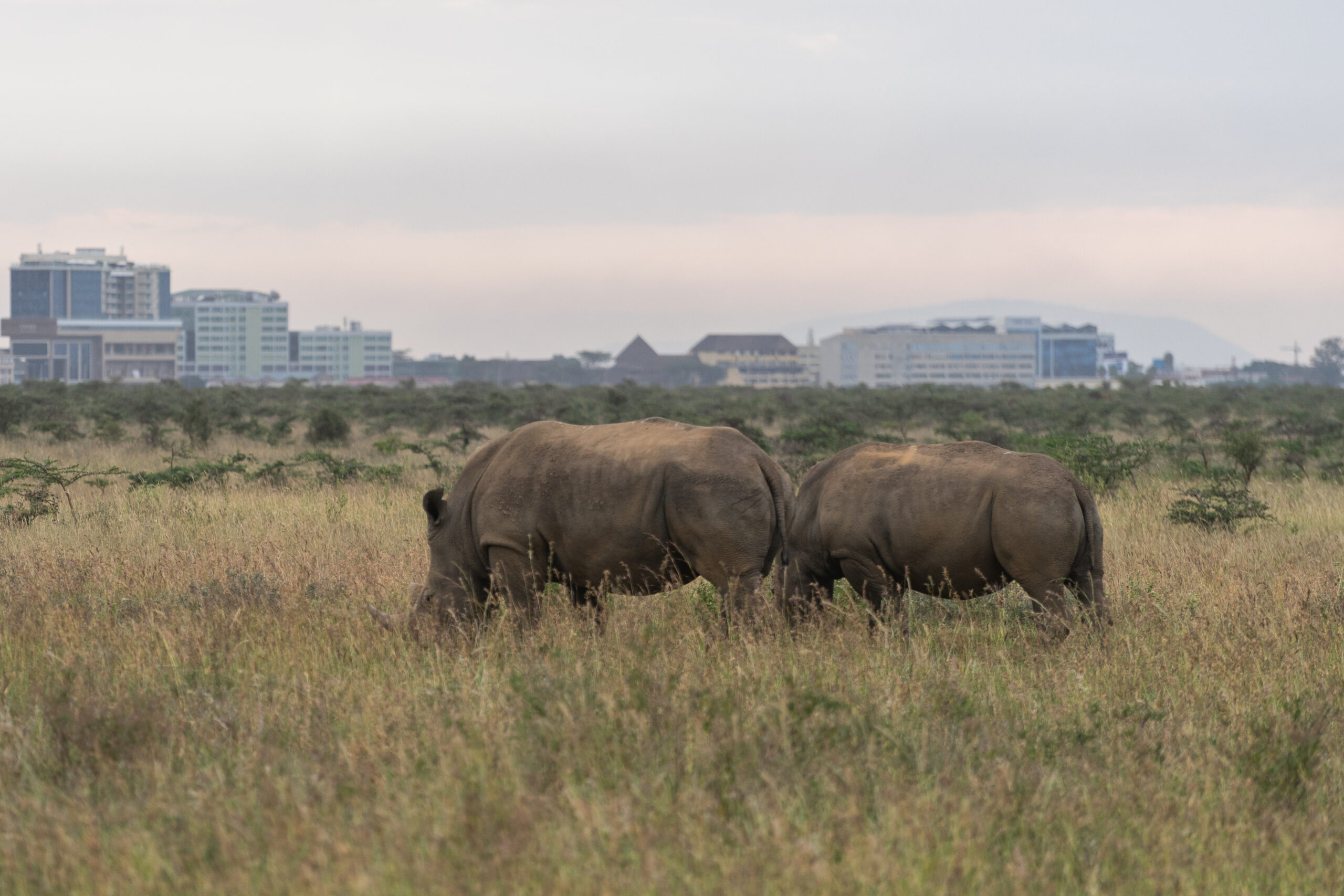
Few places on Earth offer a wildlife experience as unique and surreal as Nairobi National Park. Just minutes from Kenya’s bustling capital city, this extraordinary conservation area is the only national park in the world located within a capital city, where skyscrapers form a dramatic backdrop to roaming rhinos, lions, giraffes, and buffalo.
Whether you are a first-time visitor to Kenya, a business traveler with limited time, or a local rediscovering your country, Nairobi National Park delivers an authentic African safari experience without the need for long-distance travel.
In this guide, we explore everything you need to know before visiting Nairobi National Park — from wildlife and activities to the best time to visit and insider tips to make the most of your experience.
Where Is Nairobi National Park?
Nairobi National Park is located approximately 7 kilometers south of Nairobi’s Central Business District, making it one of the most accessible wildlife parks in Africa.
Despite its proximity to the city, the park spans over 117 square kilometers of protected savannah, wetlands, and riverine forest. A perimeter fence along the northern boundary separates wildlife from the city, while the southern boundary remains open, allowing seasonal wildlife migration toward the Athi-Kapiti plains.
A Brief History of Nairobi National Park
Established in 1946, Nairobi National Park was Kenya’s first national park. Its creation marked a significant milestone in wildlife conservation, especially during a period when urban expansion posed serious threats to natural habitats.
Over the decades, the park has played a critical role in:
- Rhino conservation programs
- Wildlife research and education
- Promoting eco-tourism within urban environments
Today, it stands as a powerful symbol of Kenya’s commitment to balancing development with conservation.
Wildlife You Can See at Nairobi National Park
Despite its relatively compact size, Nairobi National Park boasts an impressive variety of wildlife.
🦁 Mammals
Visitors can expect to encounter:
- Lions
- Leopards (rare but present)
- Black and white rhinos
- Buffaloes
- Giraffes
- Zebras
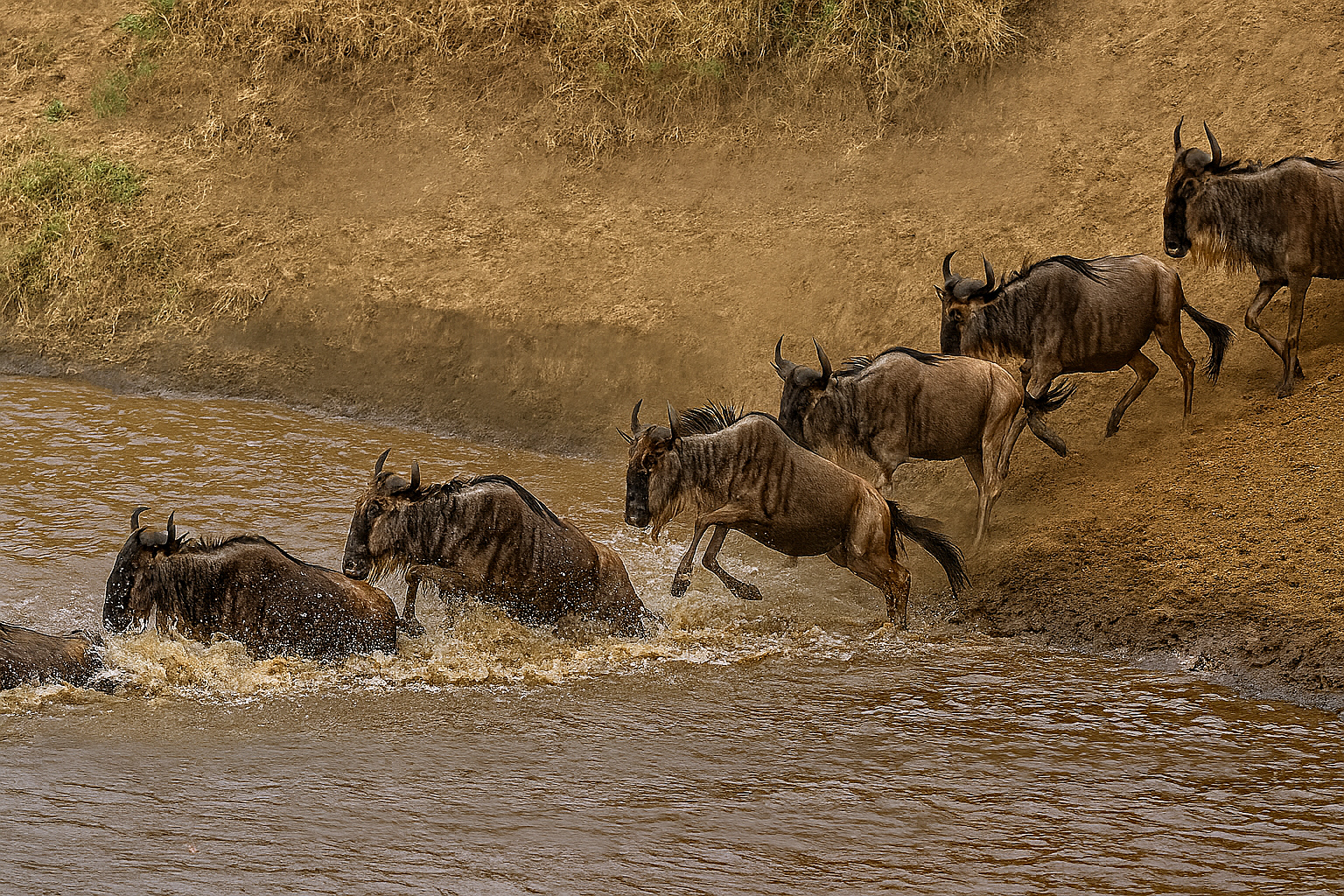
- Wildebeest
- Elands
- Hyenas
- Warthogs
The park is one of the most successful rhino sanctuaries in Kenya, offering one of the best chances to spot endangered black rhinos in their natural habitat.
🐦 Birdlife
With over 400 recorded bird species, Nairobi National Park is also a paradise for bird watchers. Notable species include:
- Secretary birds
- Ostriches
- Martial eagles
- Crowned cranes
- Various migratory species during the wet season
Unique Features That Set Nairobi National Park Apart
1. Wildlife Against a City Skyline
Few experiences compare to seeing a lion resting in the grass with Nairobi’s skyline looming in the background. This striking contrast is what makes the park globally iconic and highly photogenic.
2. Proximity and Accessibility
Unlike parks that require hours of travel, Nairobi National Park can be accessed within 30 minutes from most parts of Nairobi, making it ideal for:
- Short visits
- Day safaris
- Corporate or diplomatic visitors
- Transit travelers with limited layover time
3. Conservation in an Urban Environment
The park serves as a real-world example of how wildlife conservation can coexist with urban development — a growing global challenge.
Top Things to Do at Nairobi National Park
🚙 1. Game Drives
Early morning and late afternoon game drives offer the best chances to see predators in action. Self-drive safaris are allowed, but guided tours provide deeper insights and better wildlife spotting.
🦏 2. Rhino Sanctuary Visit
The park’s rhino sanctuary is a must-see, showcasing Kenya’s conservation success in protecting one of Africa’s most endangered species.
🐊 3. Visit the Ivory Burning Site Monument
This historical landmark commemorates Kenya’s stand against poaching, where confiscated ivory was publicly burned to discourage illegal wildlife trade.
🧺 4. Picnic at Designated Sites
Several picnic sites allow visitors to enjoy meals surrounded by nature, though food must be securely stored to avoid attracting wildlife.
Best Time to Visit Nairobi National Park
Nairobi National Park is open year-round, but certain seasons offer better experiences:
- Dry Season (June – October):
Best for wildlife viewing as animals gather around water sources. - Wet Season (November – May):
Lush landscapes and excellent birdwatching, though some roads may be muddy.
Early mornings and late afternoons remain the optimal times regardless of season.
Entry Fees and Park Regulations
Entry fees vary based on residency status (citizens, residents, non-residents). It’s recommended to:
- Carry valid identification
- Follow Kenya Wildlife Service (KWS) guidelines
- Respect speed limits and wildlife right-of-way
- Avoid feeding animals or leaving vehicles outside designated areas
Tips for a Great Visit
- Bring binoculars and a camera with a zoom lens
- Wear neutral-colored clothing
- Carry water and sun protection
- Book guided tours in advance during peak seasons
- Combine your visit with nearby attractions like the David Sheldrick Wildlife Trust or Giraffe Centre
Why Nairobi National Park Matters
Nairobi National Park is more than a tourist attraction — it’s a living conservation success story. It demonstrates how wildlife, tourism, and urban life can coexist when deliberate efforts are made to protect natural heritage.
For Kenya, it remains a national treasure. For visitors, it offers an unforgettable safari experience without leaving the city.
Final Thoughts
If you are looking for a genuine Kenyan wildlife experience without the long travel times associated with remote parks, Nairobi National Park should be at the top of your list. It’s ideal for travelers short on time, families, photographers, conservation enthusiasts, and anyone curious to see how nature thrives alongside modern city life.